Biotin: This is how important the B vitamin is for your hair
Biotin: The Vitamin for Strong Hair?
In the world of hair care and dietary supplements, one name keeps coming up: biotin. Often called the "beauty vitamin," it is valued for its role in maintaining healthy hair, skin, and nails. But what really lies behind this vitamin? Can taking biotin actually lead to stronger and healthier hair? In this article, we explore the scientific facts about biotin, how it works, and how it can support hair health.
What is Biotin and How Does It Work in the Body?
Biotin, also known as vitamin B7 or vitamin H, is a water-soluble vitamin from the B-complex group. It plays a crucial role in numerous metabolic processes. Among other things, biotin is an essential co-factor for carboxylase enzymes involved in fatty acid, amino acid, and glucose metabolism. These processes are fundamental for the growth and maintenance of healthy cells—including hair follicles, which are among the fastest-dividing cell populations in the body.
Biotin is particularly important for hair because it is involved in the formation of keratin. Keratin is the main protein that makes up hair and nails, giving them structure and resilience. A biotin deficiency can therefore impair keratin structure, leading to brittle, thinner hair or, in severe cases, diffuse hair loss. Supporting keratin production is thus a key mechanism through which biotin can contribute to hair health.
The Right Dosage: How Much Biotin is Appropriate?
The German Nutrition Society (DGE) recommends a daily intake of 30 to 60 micrograms of biotin for adults. This estimated adequate intake can usually be met through a balanced and varied diet. However, in certain life stages or special circumstances—such as during pregnancy and breastfeeding, in smokers, with chronic alcohol consumption, or with certain genetic predispositions—the need may be increased.
In clinical studies treating confirmed biotin deficiency, significantly higher doses of 5 to 20 milligrams (5,000 to 20,000 micrograms) per day are sometimes used. Overdosing on biotin is not known in healthy individuals, as excess vitamin is excreted via the kidneys as a water-soluble vitamin. Nevertheless, it is important to know that very high doses of biotin can distort laboratory results, especially in thyroid and cardiovascular tests. Therefore, high-dose supplementation should always be discussed with a doctor or therapist to rule out possible interactions.
Natural Biotin Sources: These Foods Contain the Vitamin
A variety of foods contain biotin, so a conscious diet can make a significant contribution to supply. The best natural sources include:
- Organ meats: Beef liver is one of the richest sources of biotin.
- Egg yolk: Another animal product with a high biotin content.
- Nuts and seeds: Especially almonds, walnuts, pecans, and sunflower seeds.
- Legumes: Lentils, peas, beans, and soybeans are excellent plant-based sources.
- Whole grain products: Oatmeal and wheat germ also contribute to biotin supply.
- Vegetables: Sweet potatoes, spinach, and broccoli also contain notable amounts.
Biotin Deficiency: Causes and Symptoms
A pronounced biotin deficiency is rare in industrialized countries with balanced diets. However, risk groups include people with the genetic defect biotinidase deficiency, patients receiving long-term parenteral nutrition, and people with chronic intestinal diseases such as Crohn’s disease that can impair nutrient absorption. Excessive consumption of raw egg whites over a long period can also lead to deficiency, as the protein avidin contained in them binds biotin in the gut and prevents its absorption.
The clinical symptoms of deficiency develop gradually and can include, besides diffuse hair loss and brittle nails, skin changes such as seborrheic dermatitis, conjunctivitis, and neurological symptoms like depression, lethargy, and hallucinations.
What Does Science Say? Studies on the Effectiveness of Biotin for Hair Loss
The scientific evidence on the effectiveness of biotin supplementation for hair loss in people without a confirmed deficiency is still under investigation. A systematic review of studies published in 2017 in the "Journal of the American Academy of Dermatology" found 18 reported cases where biotin supplementation was helpful for hair and nail problems. However, in all these cases, there was an underlying pathology causing the deficiency.
The authors concluded that while there is convincing evidence for the effectiveness of biotin in congenital and acquired biotin deficiency states, there is only limited evidence for its use in healthy individuals seeking to improve hair quality. It is emphasized that hair loss is a multifactorial condition, where genetic predisposition (androgenetic alopecia), hormonal imbalances, stress, or deficiencies in other nutrients such as iron, zinc, or vitamin D can play a decisive role. Biotin alone is therefore not the sole solution in most cases but can be an important component in a holistic approach.
The Power of Combination: Biotin and Other Active Ingredients for Hair
For comprehensive support of hair health, combining biotin with other micronutrients has proven particularly effective. A synergistic approach addressing various aspects of the hair growth cycle is often most successful. Important partners for biotin include:
- Zinc: This trace element is involved in cell division and protein synthesis and helps maintain normal hair. Zinc deficiency is often associated with hair loss.
- Selenium: As an antioxidant, selenium protects cells, including hair follicles, from oxidative stress and also contributes to maintaining normal hair.
- Iron: Iron deficiency is one of the most common causes of diffuse hair loss in women. Iron is essential for oxygen transport in the blood and thus for supplying the hair roots.
- B vitamins: Besides biotin, other B vitamins such as niacin (B3), pantothenic acid (B5), and folic acid (B9) are important for the energy metabolism of hair roots.
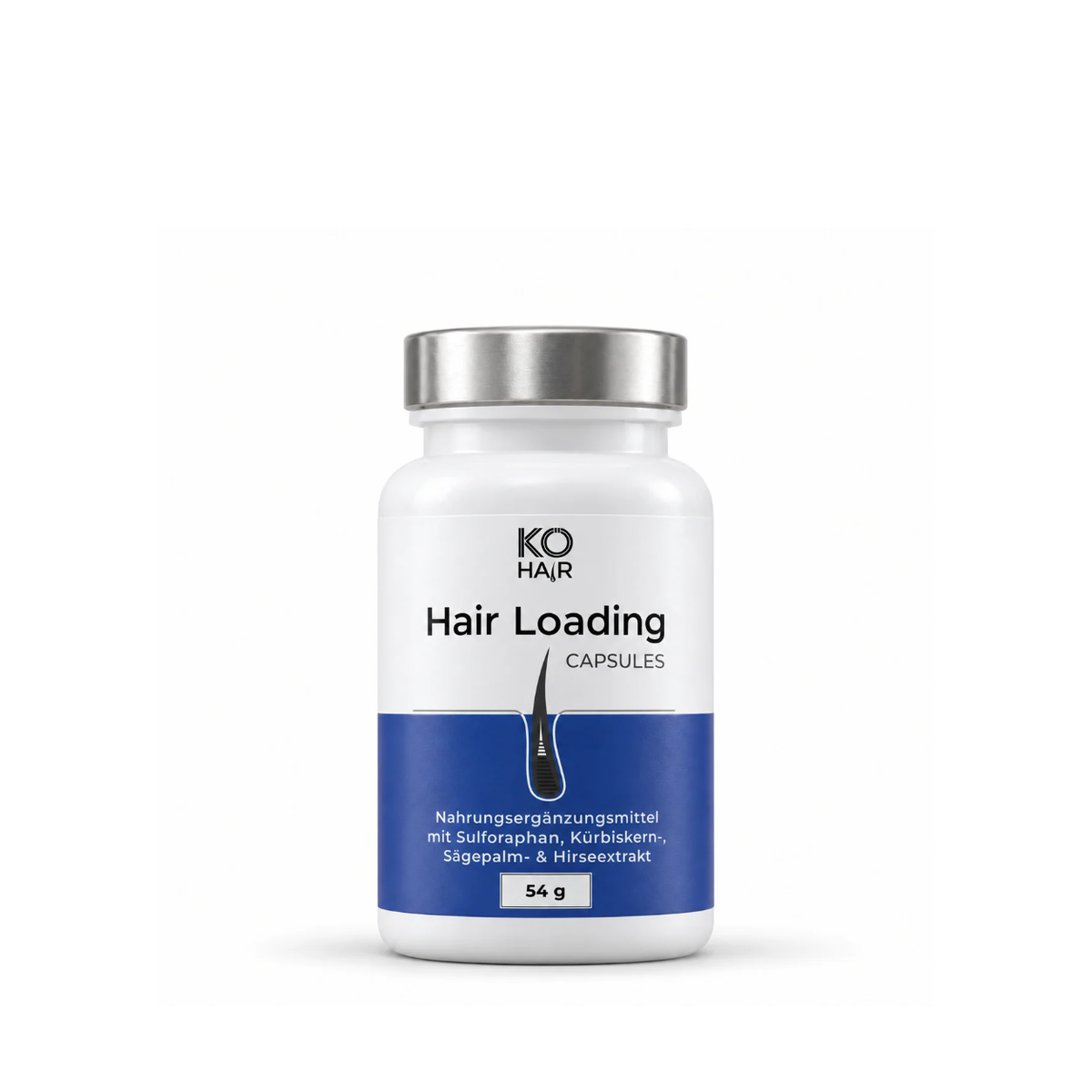
The KÖ-HAIR Hair Loading Capsules were developed based on these scientific findings. They offer a carefully balanced formulation that combines high-dose biotin with these and other important vitamins, minerals, and amino acids. This nutrient complex is designed to specifically nourish the hair roots and can thus contribute to the care and maintenance of strong, healthy hair.
Conclusion: Biotin as a Fundamental Building Block for Healthy Hair
Biotin is undeniably an essential vitamin that plays a fundamental role in maintaining healthy hair by supporting keratin production. Adequate supply through a balanced diet is the foundation for resilient hair structure. In cases of confirmed deficiency or increased need, targeted supplementation can be an effective measure to nourish and strengthen hair from within. For comprehensive care and the best possible support of hair growth, however, a holistic approach is recommended. Combining biotin with other hair-relevant nutrients, as found in the KÖ-HAIR Hair Loading Capsules, provides a valuable addition to optimally nourish the hair roots. A healthy lifestyle, nutrient-rich diet, and targeted care remain the most important pillars for beautiful and strong hair.