Scab formation after hair transplantation: How to gently remove scabs and protect your grafts
The Natural Healing Process: Why Scab Formation Is Inevitable
In modern dermatology and hair research, scab formation after a hair transplant is considered an essential biological protective mechanism. After the fine micro-incisions are made in the recipient area, the body initiates a so-called coagulation cascade. This process seals the tiny wounds and protects the freshly implanted grafts from the intrusion of pathogens. Blood and interstitial fluid dry on the surface, forming a protective scab that surrounds each individual hair follicle like a biological bandage.
Although these scabs are a positive sign of successful blood clotting and the beginning of healing, their extent strongly depends on postoperative care. The medical goal is therefore not to completely prevent scab formation but to avoid them becoming too thick or stubborn. Excessive crusting can exert mechanical stress on the new grafts and delay the healing process. For this reason, proactive, moisture-based care during the first two weeks after the procedure is crucial.
Strategic Hydration: The Key to Gentle Healing
Clinical practice shows that the first 48 to 72 hours after surgery are decisive for the nature of the later scabs. One of the most important findings from 2026 is the concept of "Strategic Hydration." By continuously moisturizing the scalp, it prevents blood and plasma from hardening into a thick, tough layer. Moist wound healing promotes the early phase of epithelialization without enclosing the follicles under a solid barrier.
In this context, the use of soothing, moisturizing sprays has proven effective. Ingredients like Aloe Vera play a central role here. Aloe Vera contains enzymes such as amylase that stimulate tissue regeneration, while its anti-inflammatory properties reduce redness and swelling.

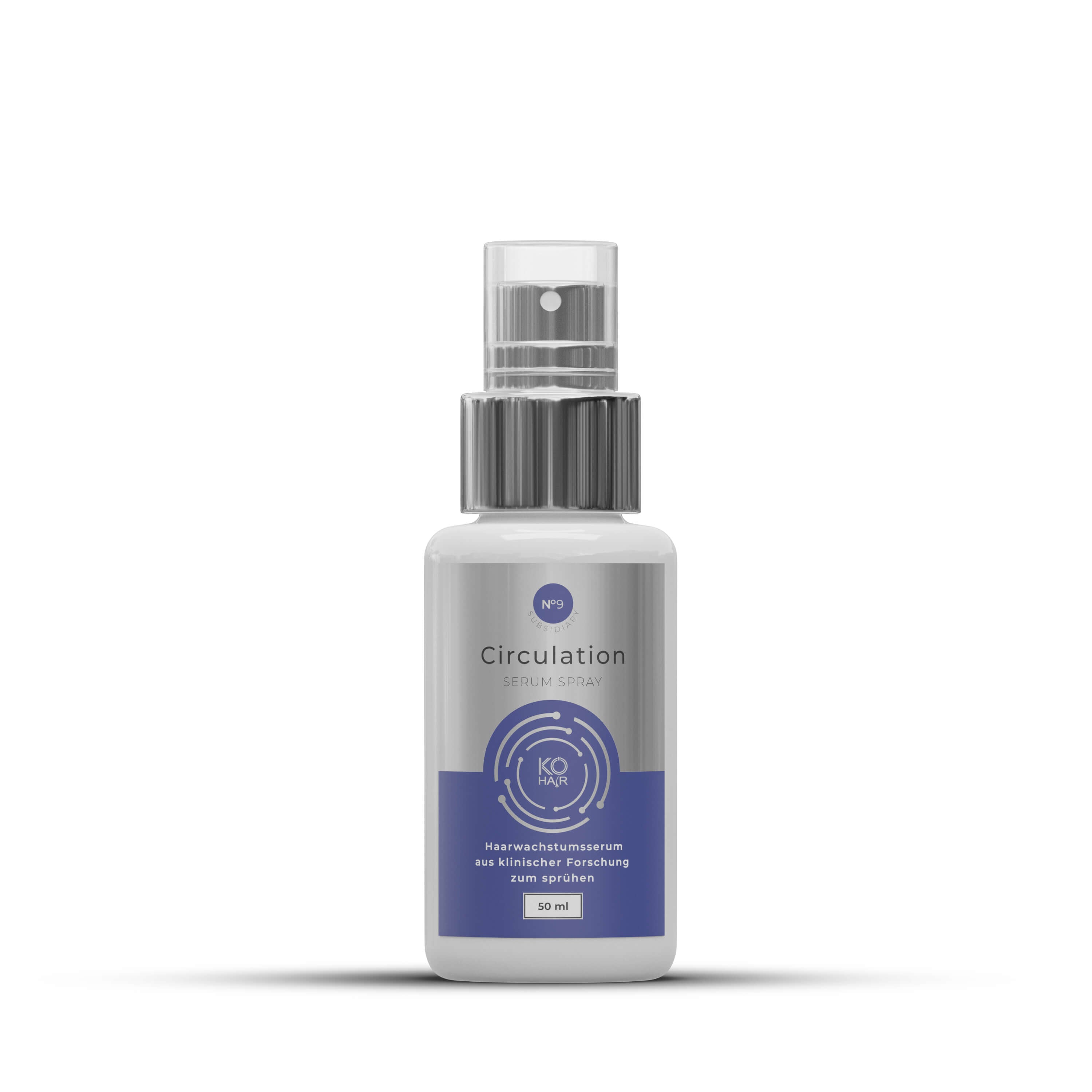
The KÖ-HAIR Aloe Vera Spray was specially developed for this sensitive phase and provides the irritated scalp with the necessary moisture and cooling to minimize excessive scab formation from the start.
The Right Sleeping Position for Undisturbed Healing
Besides direct scalp care, physical rest—especially during nighttime—has a massive impact on the healing process and scab development. In the first days after the procedure, the grafts are not yet firmly anchored in the tissue and are extremely sensitive to pressure or friction. Careless turning during sleep can not only prematurely tear off the scabs but, in the worst case, also damage the freshly transplanted hair roots.
Experts therefore strongly recommend sleeping with the upper body elevated (about a 45-degree angle) during the first 7 to 10 days. This position minimizes postoperative swelling in the facial area and prevents the recipient area from coming into contact with the pillow. The ergonomically shaped KÖ-HAIR Neck Pillow offers optimal support, stabilizes the head during sleep, and reliably protects the valuable grafts from mechanical stress.
Step-by-Step: Gentle Scab Removal (Days 11-14)
Between the 11th and 14th day after the hair transplant, the grafts are usually firmly grown into the scalp, and it is time to actively but gently remove the remaining scabs. This process requires patience and the right technique to avoid endangering the follicles.
| Step | Action | Important Notes |
|---|---|---|
| 1. Soak | Apply a panthenol-containing lotion or a mild foam generously to the recipient and donor areas. | Let the product work for exactly 45 minutes. This is essential to soften the proteins in the scabs. |
| 2. Rinse | Rinse the lotion off with lukewarm water (36-38°C) and moderate water pressure. | Avoid water that is too hot, as it can irritate the scalp and cause bleeding. |
| 3. Shampoo | Lather a pH-neutral shampoo in your palms and gently apply it to the scalp. | The Sensitive Calm Shampoo is ideal for this, as it protects the skin flora. |
| 4. Massage | Massage the scalp for 3 to 5 minutes with gentle, circular motions. | IMPORTANT: Use only your fingertips. Never scratch with your fingernails! |

It is completely normal for some hairs to come loose along with the scabs during this process. This is no cause for concern, as these are only the transplanted hair shafts—the hair roots (follicles) remain securely in the scalp and will produce new, strong hair after the resting phase.
Common Mistakes You Should Absolutely Avoid
Scab removal is a sensitive process where impatience can have fatal consequences. One of the most common mistakes is prematurely scraping off the scabs with fingernails. This aggressive action can tear the grafts from their anchorage and lead to permanent bald spots. Equally problematic is using water that is too hot (above 42°C), which can damage the sensitive scalp and cause bleeding.
Shortening the application time is also a common error. The recommended 45 minutes is not just a guideline but a medically justified minimum duration that gives the proteins in the scabs enough time to dissolve. Those who shorten this time risk the scabs not being soft enough during the subsequent massage, which can mechanically stress the grafts.
The Complete Care Routine for Sustainable Success
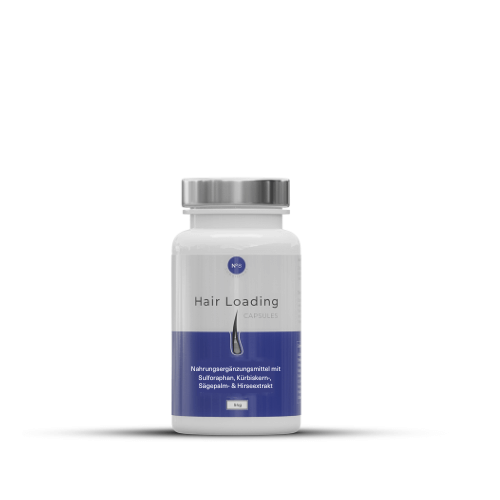
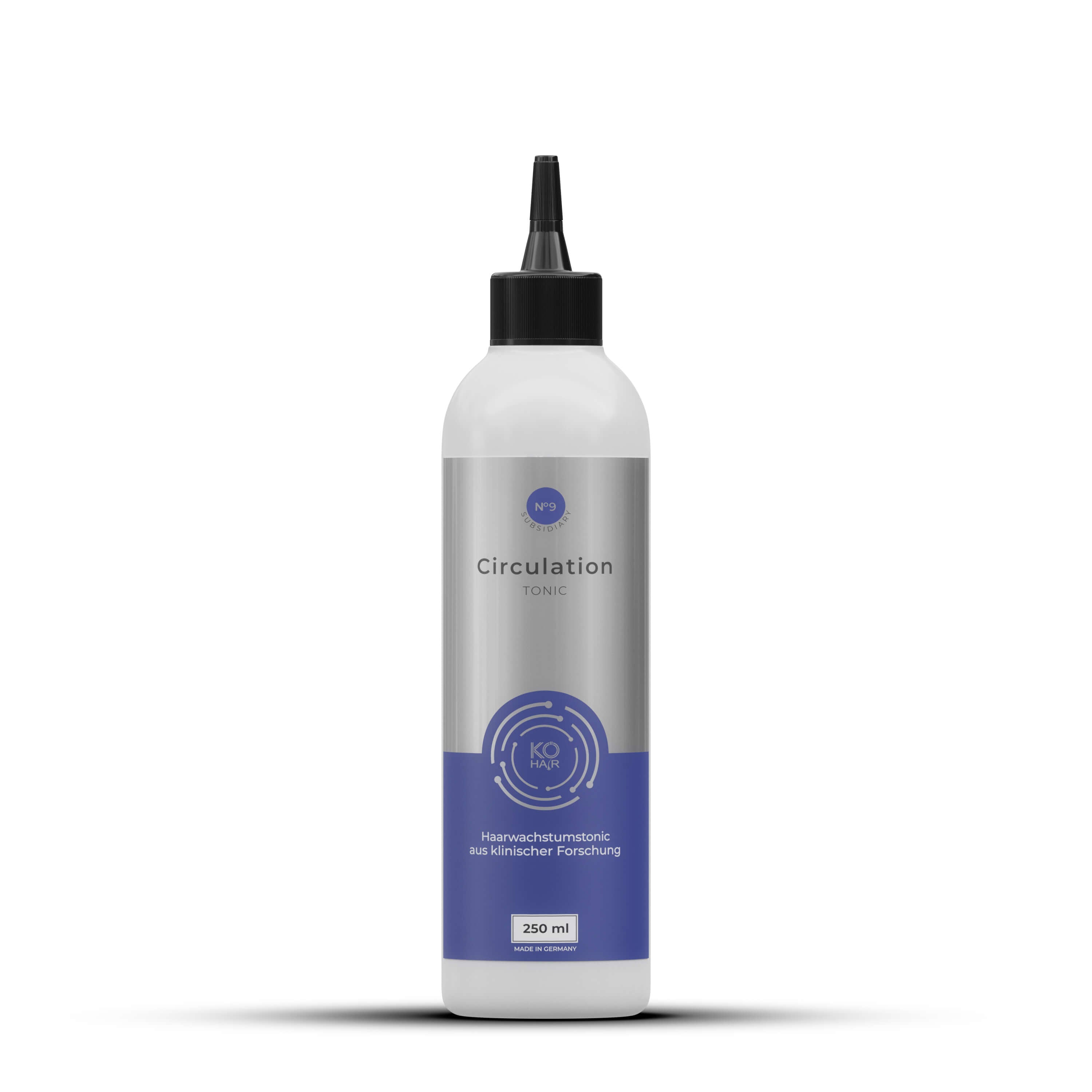
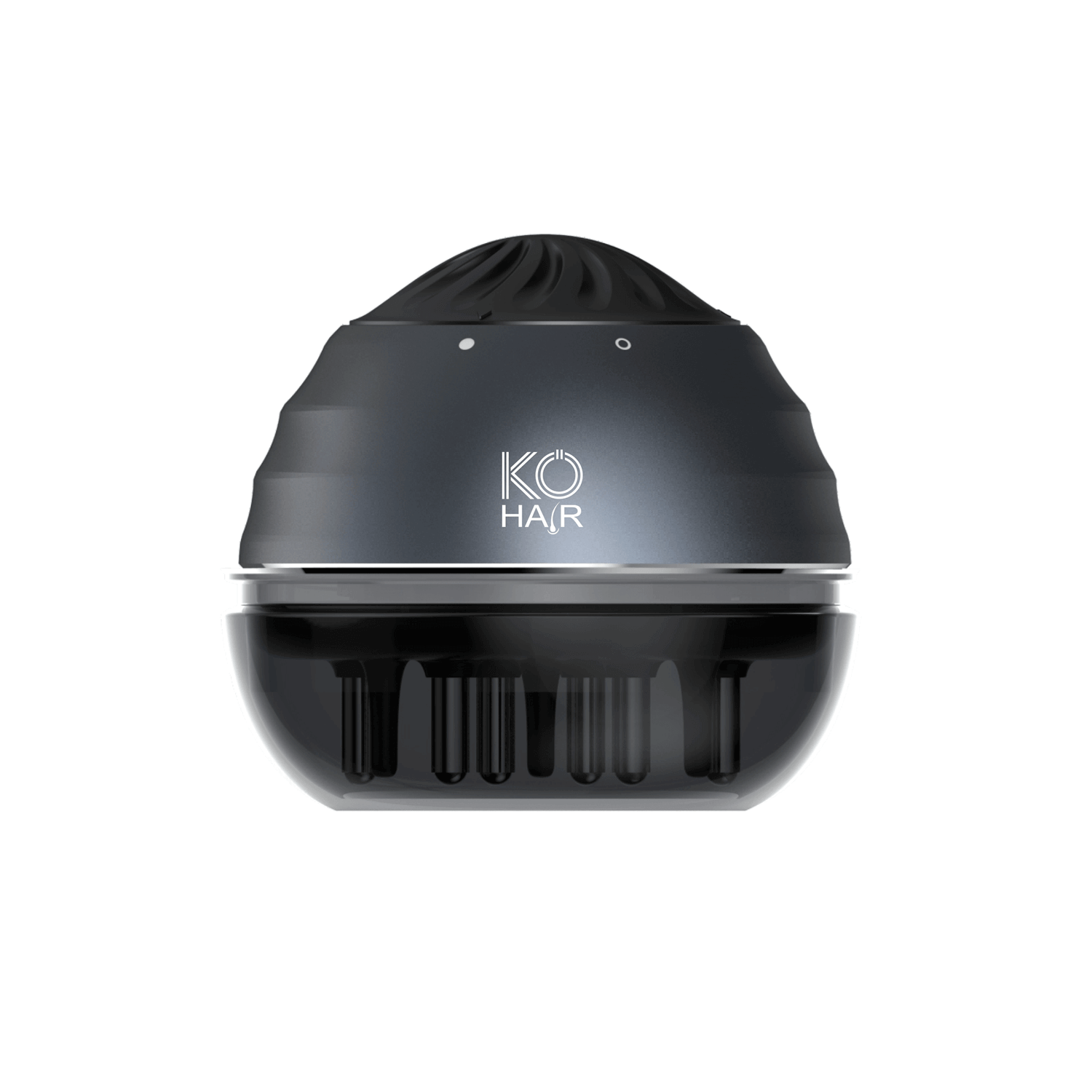
Scab removal marks an important milestone in the healing process, but scalp care does not end here. To best support the growth of the grafts and later hair growth, continuous, high-quality care is essential. All the necessary products for smooth recovery can be found in the complete post-OP care series from KÖ-HAIR, specially tailored to the needs of transplanted scalp.
By understanding the biological processes of scab formation and applying the right care techniques, you lay the foundation for a dense, natural, and aesthetically convincing hair transplant result. Trust the expertise of the KÖ Clinic – your partner for premium medical beauty in Germany since 1999.