Redness and Crusting After Hair Transplantation: What Is Normal and How to Support Healing
The decision to undergo a hair transplant is the first step toward renewed self-confidence. However, the journey to full hair is a process that requires patience and proper care. Especially in the first weeks after the procedure, many patients have questions about wound healing: How long do redness areas remain visible? When do the scabs fall off? And how can I best support my scalp?
In this article, we explain in detail which reactions of your scalp are completely normal and how you can actively promote the healing process with the right post-op care.
The natural healing process: What happens after the operation?
After a hair transplant, the scalp naturally reacts to the minimally invasive procedure. These reactions are a sign that the body is healing and the new grafts (hair follicles) are integrating into the blood supply. The most common and completely normal accompanying symptoms include redness and the formation of small scabs at the donor and recipient sites.
The intensity and duration of these symptoms vary from patient to patient and depend on skin type, blood circulation, and the size of the procedure. Careful aftercare is crucial to avoid infections and ensure the grafts take hold.
Scalp redness: Duration and progression
Redness in the recipient and donor areas is most pronounced in the first days after the hair transplant. It is caused by increased blood flow, which is necessary for wound healing and the growth of the new hair follicles.
Typically, the redness significantly subsides after 10 to 14 days. In patients with lighter or more sensitive skin, a slight pinkish tint may still be visible for up to three or four weeks, and in rare cases even longer. This is not a cause for concern but a sign of ongoing regeneration.
To minimize redness and soothe the scalp, it is important to strictly avoid direct sunlight. UV rays can irritate the sensitive skin and cause pigmentation disorders. Additionally, you should avoid physical exertion that causes heavy sweating during the first two weeks.
Scab formation: A protective shield for the new grafts
Just a few hours after the operation, small scabs begin to form at the transplanted sites. These scabs consist of dried blood and tissue fluid and act as a natural protective shield. They close the tiny wounds, prevent bacteria from entering, and securely fix the grafts in the scalp.
The scabs dry out in the first days and start to loosen slowly around the 8th to 10th day. By 14 days at the latest, the scalp should be largely scab-free.
The most important rule: Never scratch or pick at the scabs! Forcefully removing the scabs can pull out the still sensitive grafts and severely affect the final result of the hair transplant. The scabs must come off naturally.
The right hair washing for scab removal
Hair washing plays a central role in gently removing the scabs. In the first days (usually from day 3 or 4, depending on your doctor's instructions), you begin with very careful cleansing.
First, a moisturizing lotion (often based on panthenol or aloe vera) is applied generously and left to work for 30 to 45 minutes. This softens the scabs. Then you rinse off the lotion with lukewarm water and minimal water pressure.
Afterward, you foam up a special, mild shampoo in your hands and gently pat the foam onto the scalp. Rubbing or massaging is absolutely forbidden during the first week. From about the 10th day, you can gently stroke the scalp with your fingertips (not nails!) in light circular motions to support the loosening of the softened scabs.
Supportive care products for the healing phase
In addition to the correct washing technique, you can support the healing process and later hair growth with targeted care products. Once the initial wound healing is complete and the scabs are removed, the focus is on promoting blood circulation and supplying the hair follicles with nutrients.

Gentle cleansing and stimulation
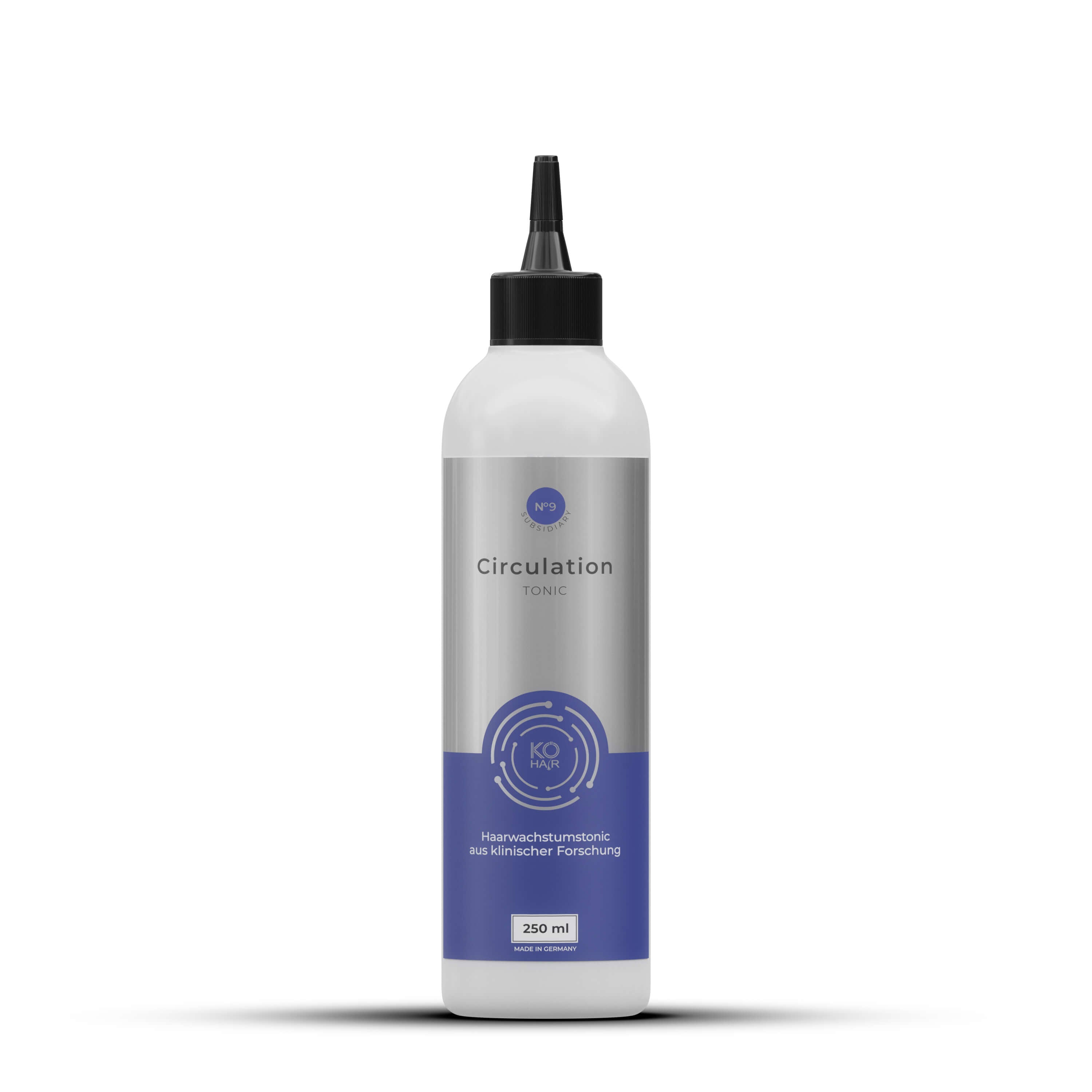
After the acute healing phase, we recommend the KÖ-HAIR Circulation Shampoo. It gently cleanses the scalp and prepares it optimally for further care steps. The formulation is designed to stimulate scalp blood circulation, which is essential for supplying nutrients to the newly transplanted hair follicles.
Targeted nutrient supply from outside
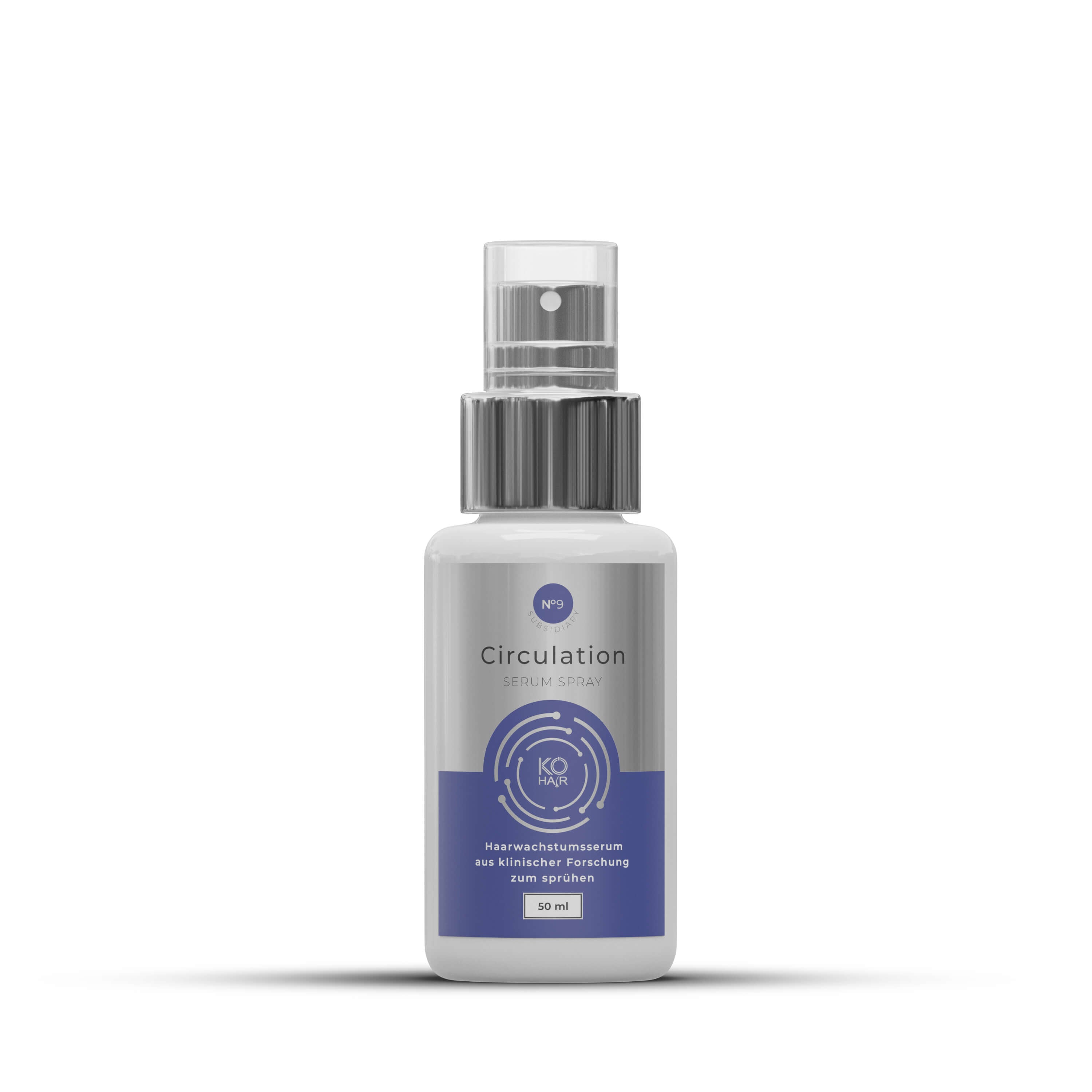
To activate the growth of new hair, the KÖ-HAIR Circulation Serum Spray is an excellent addition. It can be easily sprayed onto the affected areas and gently massaged in. The serum absorbs quickly and delivers important active ingredients directly to the hair roots to promote strong and healthy growth.


Strengthening from within
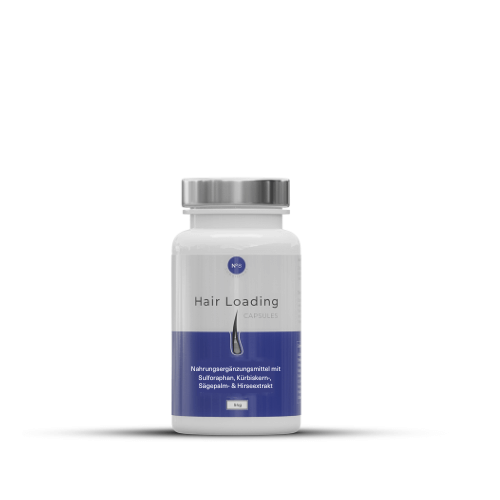
Healing and hair growth are significantly influenced by nutrient supply from within. The KÖ-HAIR Hair Loading Capsules contain a perfectly balanced combination of vitamins, trace elements, and plant extracts that support the body during regeneration and form the foundation for strong hair growth.
Also discover our complete care series for the period after hair transplantation, specially tailored to the needs of sensitive scalp.
Conclusion: Patience and care pay off
Redness and scab formation are completely normal phases on the way to your new hair appearance. With patience, strict adherence to medical instructions, and a gentle, supportive care routine, you create the best conditions for quick healing and optimal graft growth. Give your body the time it needs and support it with high-quality products for strong and healthy hair growth.