After-Shower Glow 2026: The 3-Minute Rule for Hydrated Summer Skin
You step out of the shower, your skin feels soft and fresh for a moment—and ten minutes later it still feels tight. This feeling is especially typical in August: warm weather, frequent showers, sun, air conditioning, and pool water all challenge the skin barrier at the same time. That is why the new body care trend turns the first few minutes after showering into a conscious skincare ritual. What matters is less having an overstuffed bathroom cabinet than getting the timing right.
What’s Behind the After-Shower Glow
“After-Shower Glow” describes a simple idea: moisture is preserved immediately after washing rather than added only once the skin feels dry. Dermatological recommendations advise gently patting the skin dry after showering and applying suitable care while it is still slightly damp. A layer of skincare can help retain water in the upper layer of the skin. The American Academy of Dermatology and the NHS guide to emollient care also recommend this approach.
The often-mentioned “3-minute rule” is therefore not a medical miracle claim, but a practical reminder: after drying off, don’t get dressed, blow-dry your hair, or read messages first—apply skincare instead.
Why Showering Can Make Skin Feel Dry
Hot Water and Long Showers
Very hot water dissolves fats from the skin’s surface more easily. If you also shower for a long time or use a lot of lather, your skin may feel rougher, more sensitive, or tight afterward. Lukewarm water and a short shower are better. On the arms and legs, mild cleansing is often enough only where it is really needed.
Rubbing Instead of Patting
Vigorous rubbing is not automatically a problem for resilient skin, but it can put additional stress on irritated or sun-exposed skin. A soft towel and gentle patting leave a hint of residual moisture on the skin—exactly the basis for the next step.
Light Textures for Summer
The current body care trend focuses on comfortable, fast-absorbing textures: sprays, lightweight lotions, and water-rich skincare instead of heavy layers. This makes the routine practical for everyday use, especially in hot weather. Very dry areas can still be treated with a richer cream afterward.
The 3-Minute Routine: Step by Step
1. Take a Short, Lukewarm Shower
Choose a comfortable, not-too-hot temperature. Five to ten minutes is usually enough. After exercise or time in the sea or pool, salt, sweat, or chlorine should be gently rinsed off—without overburdening the skin with harsh exfoliants.
2. Gently Pat Dry
Leave the skin slightly damp, but not dripping wet. The shins, upper arms, décolleté, and hands in particular quickly show whether the routine provides enough care.
3. Moisture First
A fine mist is especially convenient on warm days. According to the product description, the KÖ-HAIR Aloe Vera Spray is suitable for skin and hair. Aloe vera juice and panthenol are included as moisturizing and soothing ingredients. Spray onto slightly damp skin and spread gently; avoid contact with the eyes and mucous membranes.
4. Seal Dry Areas Where Needed
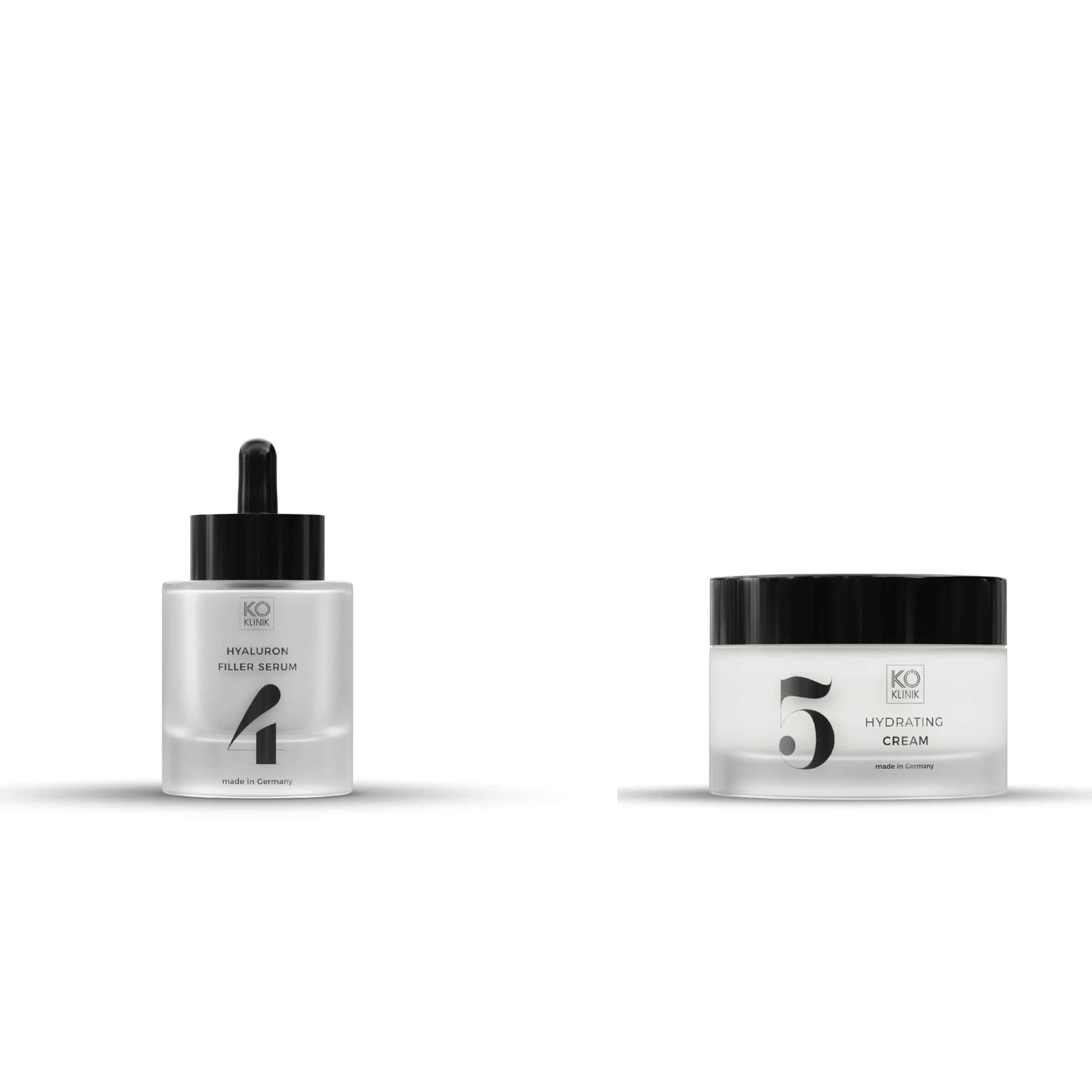
The face, neck, or individual dry areas sometimes need more lipids. According to the product information, the KÖ-KLINIK Hydrating Cream combines glycerin, squalane, shea butter, panthenol, and nourishing oils, among other ingredients. A small amount is enough; work it in slowly instead of layering on many products. If you are prone to blemishes or have sensitive skin, test new products on a small area first.
5. Add Sunscreen in the Morning
Moisturizer does not replace UV protection. In the morning, exposed skin should be protected with a broad-spectrum, water-resistant sunscreen with an appropriate sun protection factor. During extended time outdoors, sweating, or swimming, reapply according to the product instructions.
Which Routine Suits Which Skin Feel?
Normal to Slightly Dry Skin
A moisturizing spray applied to slightly damp skin may already feel comfortable in summer. If the skin feels tight after a few minutes, follow with a lightweight cream on the affected areas.
Very Dry or Rough Skin
Here, a cream or ointment is usually more useful than a plain lotion or spray because richer textures can retain water in the skin more effectively. Persistent itching, cracks, weeping areas, or inflammation should be assessed by a dermatologist.
Sensitive or Sun-Stressed Skin
Less is more: shower with lukewarm water, avoid mechanical exfoliants, choose fragrance-free or individually well-tolerated products, and consistently protect the skin from further sun exposure. Severely reddened skin, blisters, or circulatory problems after sun exposure require medical assessment.
Diet and Lifestyle: Skincare Doesn’t End in the Bathroom
Drink Regularly—Without Glow Myths
Normal fluid intake supports the whole body. However, drinking more water than you need will not conjure up instant “glass skin.” Let thirst, the weather, your activity level, and individual medical recommendations guide you. Requirements increase in hot weather or during exercise.
Protein, Fats, and Colorful Plant Foods
A balanced diet provides building blocks for the skin: protein from legumes, eggs, fish, or dairy products; unsaturated fatty acids from nuts and plant oils; and sources of vitamins and minerals from vegetables and fruit. Individual “beauty foods” replace neither a balanced diet nor skincare.
Sleep and Stress Reduction as a Ritual
The new “Emotional Beauty” movement also views skincare as a short pause in everyday life. Two mindful breaths, a comfortable towel, and a routine that realistically fits into three minutes can make it easier to turn the application into a habit. This is not a substitute for therapy—but it can be a helpful moment of self-care.
The Most Common After-Shower Mistakes
- Showering too hot: choose lukewarm water and a shorter shower.
- Letting the skin dry completely: apply skincare to slightly damp skin.
- Combining too many active ingredients: start simply if you have sensitive skin.
- Using facial skincare indiscriminately on the body: consider the texture and compatibility.
- Forgetting sunscreen: hydration does not protect against UV radiation.
- Continuing to use products that cause burning: stop using them and seek professional advice about persistent reactions.
Conclusion: Three Minutes That Can Make Your Summer Skin Feel Noticeably More Comfortable
The most beautiful after-shower glow does not begin with shimmer particles, but with a calm, well-tolerated routine: shower with lukewarm water, pat gently, apply moisture to slightly damp skin, and target dry areas with a cream. The timing is simple, the product selection can remain minimal—and that is precisely the strength of this trend. Start tonight with three mindful minutes and observe what truly benefits your skin.