Décolletage care in late summer: 7 steps for the neck and chest
Summer is gradually winding down—but the neck and décolleté often still show how much sun, heat, and dry air they have been exposed to. While the face is naturally cared for every morning and evening, the routine often ends at the chin. Yet the delicate skin below deserves just as much attention. The good news: Effective décolleté care needs to be neither complicated nor excessive. Above all, it needs gentleness, moisture, and consistent UV protection.
Why the Neck and Décolleté Need Special Care
The skin on the neck and upper chest is comparatively delicate and subjected to considerable everyday stress: Sun reaches exposed necklines, clothing rubs, and perfume and active ingredients can cause irritation. At the same time, this area is easily forgotten when cleansing, applying moisturizer, and using sunscreen. As a result, fine lines caused by dryness, a tight feeling, or an uneven complexion may become more noticeable—without every crease automatically indicating a skin problem.
It is important to keep expectations realistic: Cosmetic care can support the skin barrier, provide moisture, and make the skin feel smoother. However, it cannot reverse UV-related skin damage and does not replace dermatological treatment.
Décolleté Care in 7 Steps
1. Cleanse Gently in the Evening
Remove sunscreen, sweat, and styling residue with a mild cleansing product. Lukewarm water is sufficient; hot water and vigorous rubbing can dry the skin out further. Simply continue your facial cleansing routine down over the neck and upper chest. After showering, gently pat the skin dry.
2. Apply Care Products to Slightly Damp Skin
Moisturizing products are especially pleasant to apply to skin that is still slightly damp. After cleansing or showering, do not wait until the neck and chest are completely dry and feel tight. A few drops of serum are usually enough; using more product does not automatically provide greater benefits.
3. Add Moisture Where Needed
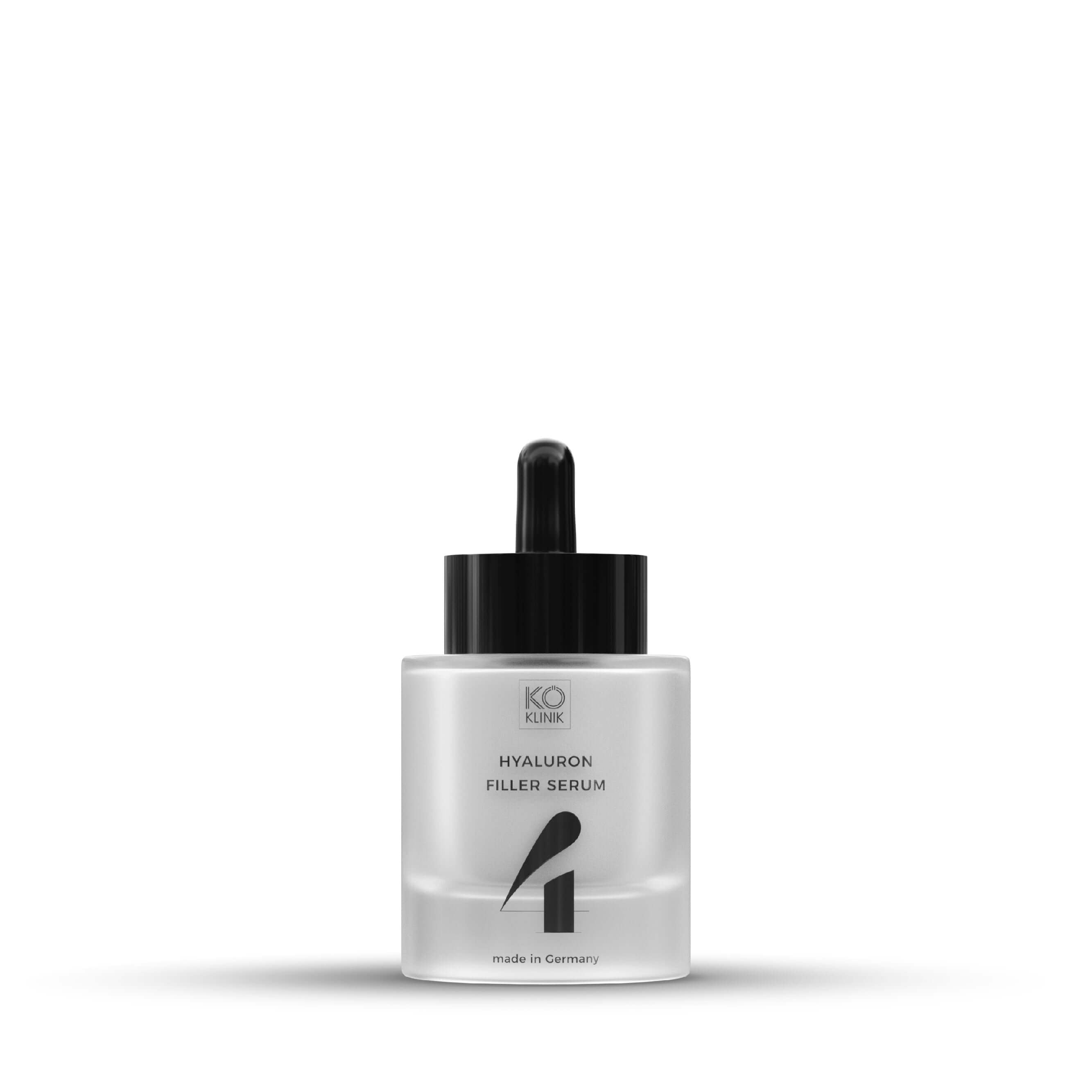
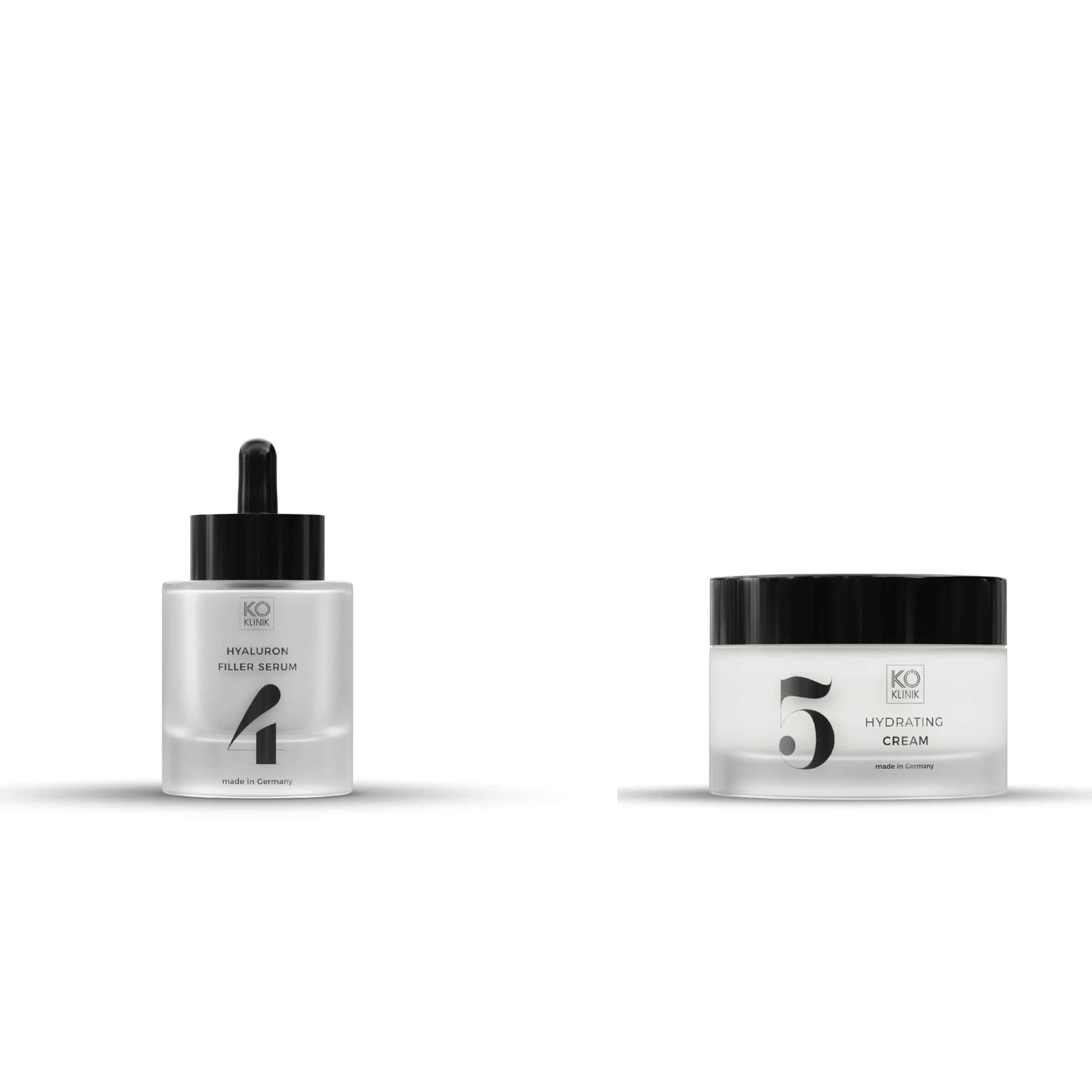
Hyaluronic acid is a proven cosmetic humectant. The KÖ KLINIK Hyaluron Filler Serum for a moisture-focused skincare routine can be applied in a thin layer to the face, neck, and décolleté. Smooth it gently from the chest toward the chin without pulling on the skin. The serum supports a hydrated, smoother-feeling complexion; it does not treat medically caused skin changes.
4. Finish with a Suitable Cream
Applying a simple, well-tolerated moisturizer over the serum helps retain moisture in the skin. Choose the texture according to how your skin feels: lightweight in warm weather and somewhat richer for dry skin. If you are prone to sensitivity, test new products on a small area first and avoid fragrances immediately after intense sun exposure.
5. Do Not Stop UV Protection When Summer Ends
Even at the end of August, UV radiation reaches the neck and décolleté. In the morning, use a broad-spectrum, water-resistant sunscreen with at least SPF 30 and apply it generously to all exposed areas. During prolonged outdoor activities, reapply it about every two hours and after swimming or heavy sweating. Clothing, shade, and clothing that provides more neckline coverage complement sunscreen—they do not replace one another.
6. Avoid Friction and Ingredient Overload
Layering exfoliants, retinoids, acids, and heavily fragranced products all at once is rarely a good shortcut. The skin on the décolleté may react more sensitively to active ingredients than the face. Introduce active products one at a time and gradually, do not use them on irritated or sunburned skin, and pause if you experience burning, redness, or flaking. Tight necklaces, rough fabrics, and vigorous towel-drying can also cause unnecessary irritation.
7. Make the Routine Practical for Everyday Life
The best skincare is the care you use regularly. Keep your sunscreen and serum in a visible spot next to your facial products. The simple reminder is: Skincare does not end at the chin. In the morning, moisture and UV protection are enough; in the evening, cleanse gently, apply serum, and moisturize. If your skin generally tends to feel dry after showering, the guide to the 3-minute rule for well-cared-for summer skin offers a useful addition.
Common Mistakes in Décolleté Care
- Moisturizing only the face: Consciously include the neck and upper chest in every skincare step.
- Applying too little sunscreen: Protect all exposed areas evenly and reapply when outdoors.
- Combining too many active ingredients: A few well-tolerated products are usually more suitable for a consistent routine.
- Spraying perfume directly onto sun-exposed skin: Apply fragrance to clothing instead, provided the material is suitable.
- Overtreating acute irritation: In the event of sunburn, cool the skin, care for it gently, and avoid further sun exposure; do not use aggressive exfoliants.
Lifestyle: Small Habits with a Big Impact
Adequate sleep, a varied diet, and sufficient fluids support overall well-being but are not a substitute for external UV protection. Anyone who spends a lot of time by a window, exercises outdoors, or wears low-cut tops should include the neck and décolleté in their daily sun-protection routine. An upright, varied posture can also make temporary sleep lines or “tech neck” creases less noticeable—claims that skincare can eliminate permanent wrinkles would nevertheless be misleading.
When Is a Dermatological Evaluation Advisable?
New or changing pigmented spots, areas that heal poorly, persistent itching, bleeding, severe pain, or blisters should be medically assessed. You should also seek medical advice in the case of severe sunburn or recurring irritation. Cosmetics are intended for intact skin; they do not replace a diagnosis.
Conclusion: Gentle, Consistent, and Without Exaggeration
Décolleté care does not require an entirely separate product range. Simply extend your well-tolerated facial routine down to the chest: cleanse gently, add moisture, finish with cream, and protect consistently in the morning. Especially in late summer, this is a good time to turn an often-forgotten area into a natural part of your everyday skincare routine.
Medical guidance: American Academy of Dermatology: Skin cancer prevention and sun protection and AAD: How to treat sunburn. As of: 25 August 2026.