Oily Scalp in Men: 6 Steps for a Balanced Routine
The morning begins – and there is already a slight shine visible at the hairline again. Men with short hair often know this particularly well: The scalp looks greasy more quickly, the hair lies flatter, and individual hairs become more noticeable during washing. This can be unsettling. However, a greasy scalp does not automatically mean hair loss – and aggressive degreasing often does not improve the situation.
What matters is a routine that reliably removes sebum, sweat, and styling residue without unnecessarily irritating the scalp. This guide shows men, in six practical steps, how to achieve this, which mistakes are common, and when symptoms should be evaluated by a dermatologist.
Why does the scalp become greasy so quickly?
Sebaceous glands produce lipids that keep the skin and hair supple. How active they are is influenced by genetic factors, hormones, climate, physical activity, and hair-care habits, among other things. Short or thinning hair also makes sebum more visible: Even a normal amount can make the roots look shinier and the hair appear flatter.
Sweat, helmets or caps, frequently touching the hair, and wax- or oil-based styling products can intensify this impression. Initially, this is a cosmetic issue. However, if persistent itching, noticeable redness, or yellowish, greasy flakes occur as well, seborrheic dermatitis may be present, for example. According to the Mayo Clinic, it preferentially affects areas of skin rich in sebaceous glands, is not contagious, and does not itself cause permanent hair loss.
Greasy scalp and hair loss: What is the connection?
A greasy scalp is not proof of androgenetic hair loss. Hair that becomes visible during washing is also not necessarily lost because of the shampoo: Much of it had already detached from the growth phase and is merely released by washing and combing. Our guide “More hair when washing – what is normal?” explains more.
Scalp health is still relevant. Constant scratching, severe inflammation, or untreated skin conditions can impair scalp comfort and promote hair breakage. A progressively receding hairline, increasing temples, or a thinning crown, on the other hand, are more suggestive of a distinct hair-loss pattern and should be assessed independently of sebum production.
The 6-step routine for a balanced scalp in men
1. Observe patterns instead of individual wash days
For two weeks, briefly note when your roots become greasy, which products you use, whether you exercise, and whether itching or flaking occurs. Photos taken in the same lighting can help you assess changes at the hairline more objectively. This makes it easier to determine whether heat, exercise, styling, or a persistently irritated scalp is primarily involved.
2. Wash as needed – not according to a rigid myth
A greasy scalp may be cleansed regularly. What matters is not waiting as long as possible between washes, but using a mild product, lukewarm water, and a gentle technique. Distribute the shampoo over the scalp, not primarily through the lengths, and massage it in with your fingertips for about one minute. Fingernails, hard brushes, and very hot water can intensify irritation.
As a cosmetic option for a daily or as-needed routine, you can use KÖ-HAIR Growth Circulation Shampoo. For particularly sensitive-feeling skin, Sensitive Calm Shampoo for Sensitive Scalp is the gentler alternative. This is about cleansing and care – not treating a scalp condition.
3. Rinse more thoroughly than you think
Product residue can weigh down the roots and leave a sticky feeling. Therefore, rinse until the water runs clear and your scalp feels clean but not “squeaky.” With short or fine hair, conditioner should only be applied to dry lengths and ends, not directly to the scalp.
4. Dry without friction or heat stress
Gently press out moisture with a clean towel. Vigorous rubbing promotes hair breakage and can irritate a sensitive scalp. When blow-drying, a medium temperature and some distance are sufficient. Permanently damp caps or a headband that is not changed after exercise can also create an uncomfortable microclimate – wash textiles regularly and allow them to dry completely.
5. Use leave-on care sparingly and selectively
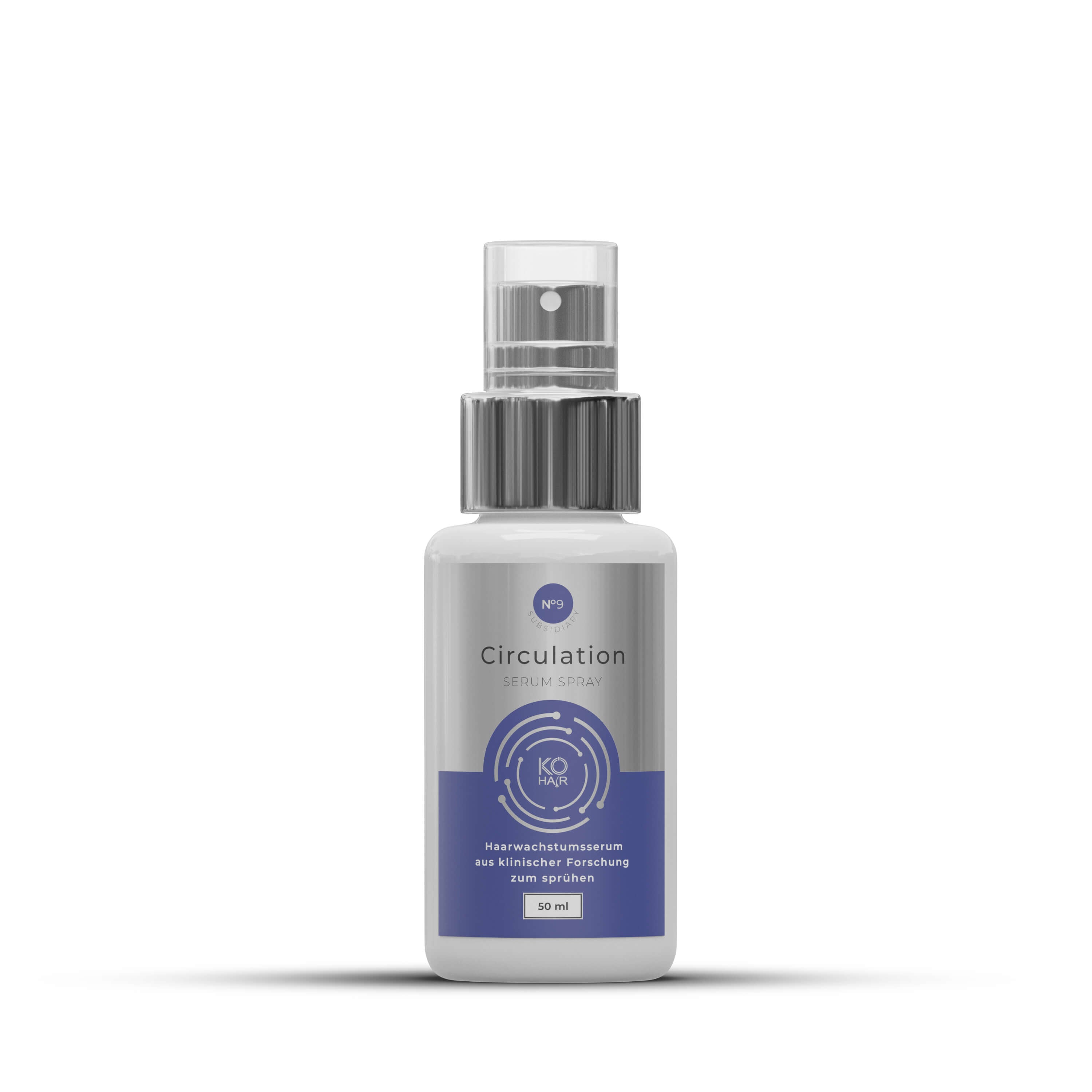
With fine hair, less is more. Apply leave-on products section by section directly to a clean, dry or towel-dried scalp instead of saturating the hair with them. KÖ-HAIR Circulation Serum Spray can be used as part of a cosmetic scalp-care routine. Let it absorb before applying styling products. Cosmetic serums do not replace a medical diagnosis and do not treat hereditary or disease-related hair loss.
6. Keep styling and everyday habits scalp-friendly
Wax, pomade, and dry shampoo can accumulate at the roots. Use small amounts and schedule regular thorough cleansing days. Avoid constantly touching your hair with your hands, and clean your comb, brush, and the inside surfaces of helmets and caps. After heavy sweating, rinsing or using a mild wash is often more sensible than applying another layer of dry shampoo.
Diet and lifestyle: What really supports the scalp
No single food regulates the sebaceous glands overnight. A balanced diet with sufficient protein, whole grains, vegetables, fruit, and unsaturated fatty acids is beneficial. Very restrictive crash diets, on the other hand, can promote nutrient deficiencies and diffuse hair loss. Supplements should not be taken in high doses “just in case”; if a deficiency is suspected, blood tests should be handled by a doctor.
Sleep and stress management are also relevant. Stress is not the only cause of a greasy scalp, but it can intensify symptoms such as flaking or itching. In practical terms, regular sleep times, exercise, short recovery breaks, and promptly cleansing the scalp after strenuous exercise can help.
The most common mistakes with a greasy scalp
- Degreasing too aggressively: Vigorous scrubbing, very hot water, or frequently switching intensive shampoos can cause irritation.
- Applying oils directly to the scalp: When the roots are already greasy, rich oils often weigh them down and are not a self-treatment for inflammatory symptoms.
- Scratching off flakes: This can cause minor injuries and additional inflammation.
- Using dry shampoo as a long-term solution: It absorbs oil temporarily but does not replace cleansing.
- Judging hair loss solely by what collects in the shower drain: Progression, pattern, and visible density over several weeks are more important.
- Covering up medical symptoms with cosmetics: Severe burning, weeping areas, or persistent yellowish flakes require professional evaluation.
When should you seek dermatological help?
An examination is advisable if the scalp is severely red, painful, weeping, or swollen, if crusts form, if itching interferes with sleep, or if symptoms persist despite adjusted care. Clearly defined bald patches, sudden clumps of hair loss, or noticeably increasing recession at the temples should also be evaluated.
Medical active ingredients may be required for pronounced flaking. The NHS guide to dandruff, for example, mentions antifungal or keratolytic shampoo ingredients and recommends medical evaluation for severe, persistent, or inflammatory symptoms. Such products are used selectively and should not be equated with standard cosmetic hair care.
Conclusion: Clean, calm, and consistent instead of aggressive
A greasy scalp in men needs neither radical breaks between washes nor daily scrubbing. Mild, thorough cleansing, sparse use of leave-on care, clean styling habits, and an objective view of possible hair-loss patterns are the better strategy. Give the routine two to four weeks and do not change everything at once every day.
The goal is not a completely sebum-free scalp – sebum is part of its natural protective function. The goal is a scalp that feels clean and balanced while you recognize changes in good time and have medical symptoms treated where they belong: by a dermatologist or through medical advice.