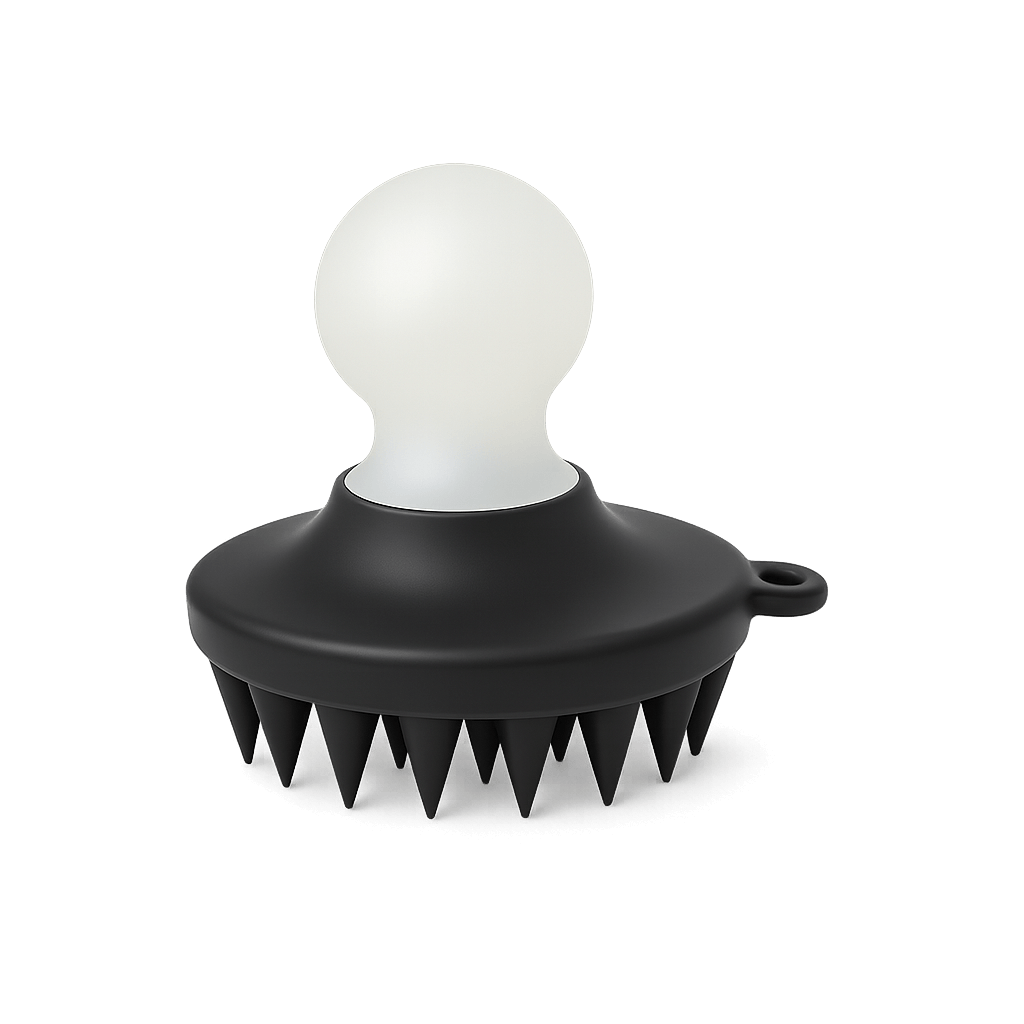
Washing Hair After Hair Transplantation: Your 14-Day Guide to Optimal Scalp Care
A hair transplant is a significant step on the path to renewed self-confidence. But the procedure itself is only half the battle – proper care in the weeks afterward is crucial for the success and growth of the new grafts. Especially the first hair wash and the removal of scabs cause uncertainty for many patients. In this comprehensive guide, we explain step by step how to optimally clean and care for your scalp in the first 14 days after the operation.
Why is proper hair washing after surgery so important?
In the first days after the hair transplant, the freshly implanted hair follicles are still extremely sensitive. They need time to anchor themselves in the scalp and connect to the blood supply. At the same time, small scabs of coagulated blood and tissue fluid form in the recipient and donor areas. These scabs initially serve an important protective function but must be gently removed after about 10 to 14 days so that the scalp can breathe and hair growth is not hindered.
Incorrect washing technique, too strong water pressure, or aggressive shampoos can damage the grafts or even cause them to fall out. Therefore, a gentle routine specially tailored to the needs of the postoperative scalp is essential.
Days 1 to 3: Absolute rest for the scalp
In the first 48 to 72 hours after the procedure, you should not wash your hair at all. The grafts need to settle and establish an initial connection to the blood supply. During this phase, it is especially important to avoid any form of friction, pressure, or impact on the head.
To protect the freshly operated area at night and prevent accidental touching during sleep, the use of a special neck pillow is strongly recommended. It keeps your head in a stable supine position and prevents the transplanted areas from coming into contact with a regular pillow. Many patients report that thanks to the ergonomic design, they can sleep comfortably even in the first nights after the surgery.
Days 3 to 10: The gentle cleansing begins
From the third day after the operation, you can start gentle hair washing. This process should be done once daily and consists of two important steps: soaking the scabs and gentle cleansing.
Step 1: Soaking
Before using shampoo, the scabs must be softened. To do this, apply a moisturizing spray generously to the recipient and donor areas. The KÖ-HAIR Aloe Vera Spray is excellent for this – it provides intense moisture, cools the irritated scalp, and gently softens the scabs. Let the spray work for about 30 to 45 minutes. Never try to scrape or peel off dry scabs.
Step 2: Hair washing
After the soaking time, rinse off the spray with lukewarm water. Do not use a strong water jet from the shower – instead, carefully pour water over your head from a cup or small bottle. Now apply the Sensitive Calm Shampoo. This pH-neutral shampoo was specially developed for the sensitive scalp after hair transplants and cleanses gently without impairing healing.
Lather the shampoo lightly in your hands and gently pat the foam onto the transplanted area. Do not rub, massage, or scratch. You can wash the donor area at the back of the head a bit more firmly but still carefully. Then rinse the shampoo off again with lukewarm water from the cup.
Do not dry your hair with a regular towel, as the loops could pull out the grafts. Instead, use soft paper towels and gently blot the moisture, or let your hair air dry. Avoid using a hairdryer completely during the first two weeks.
Days 10 to 14: Scab removal
About 10 to 14 days after the hair transplant, the grafts are firmly anchored in the scalp. Now it is time to completely remove the remaining scabs. Remaining scabs can hinder the growth of new hair and increase the risk of folliculitis.
Proceed with scab removal as follows: Apply the Aloe Vera Spray generously again and this time let it soak a bit longer – about 45 to 60 minutes. When you then apply the Sensitive Calm Shampoo, you can begin to gently massage the scalp in circular motions with your fingertips. Never use your fingernails and apply only light pressure.
Through this gentle massage, the softened scabs gradually loosen. It is completely normal that some of the transplanted hair shafts fall out when the scabs come off. Don’t worry: the hair root itself is securely in the skin and will produce new hair in the coming weeks. Scabs that do not come off easily should not be forcibly removed. Simply repeat the process the next day.
After the healing phase: The optimal care routine
Once the scabs are completely removed and the scalp has healed, you can slowly return to a normal washing routine. However, you should still use mild products. The complete post-op care series offers all the necessary products to best support the healing process.
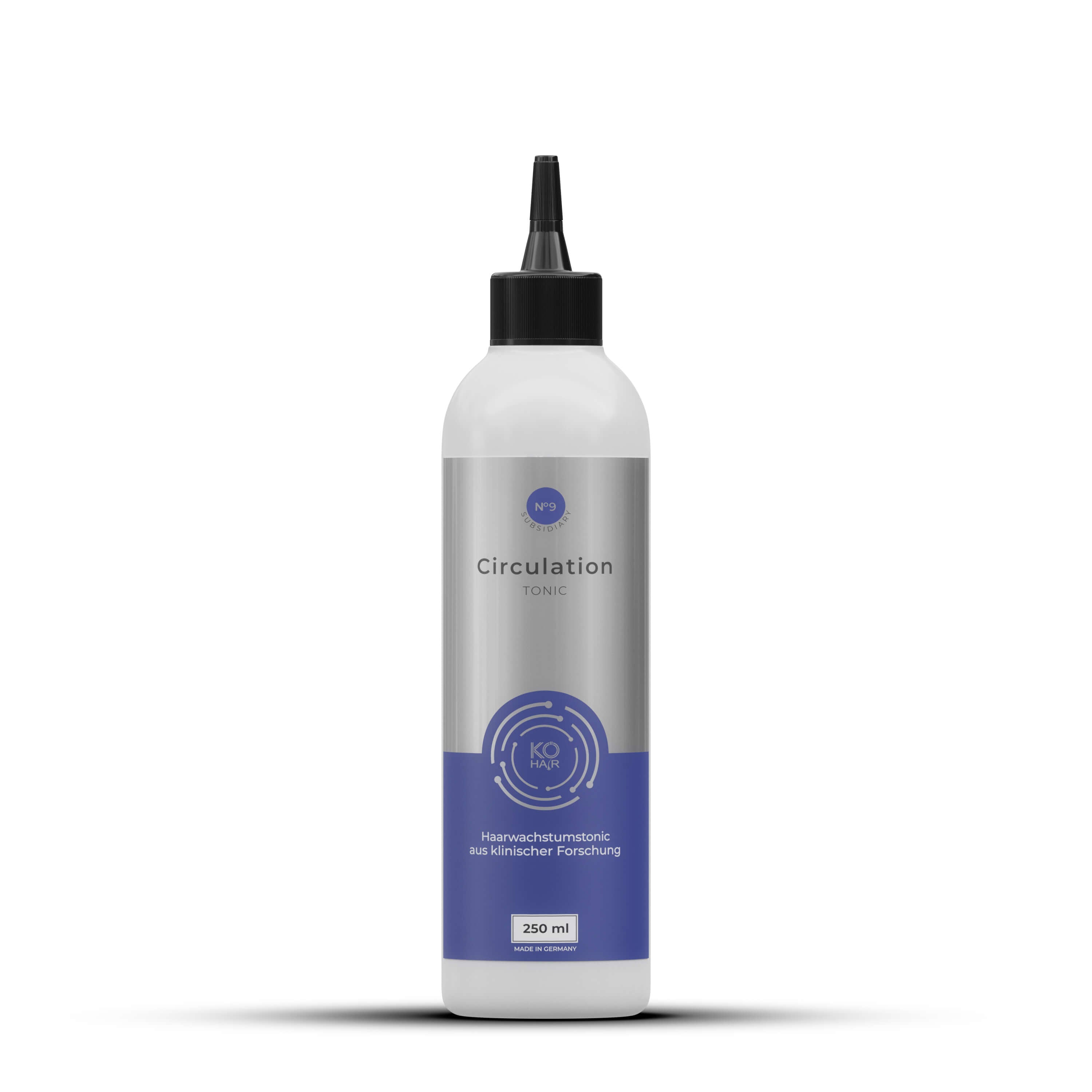
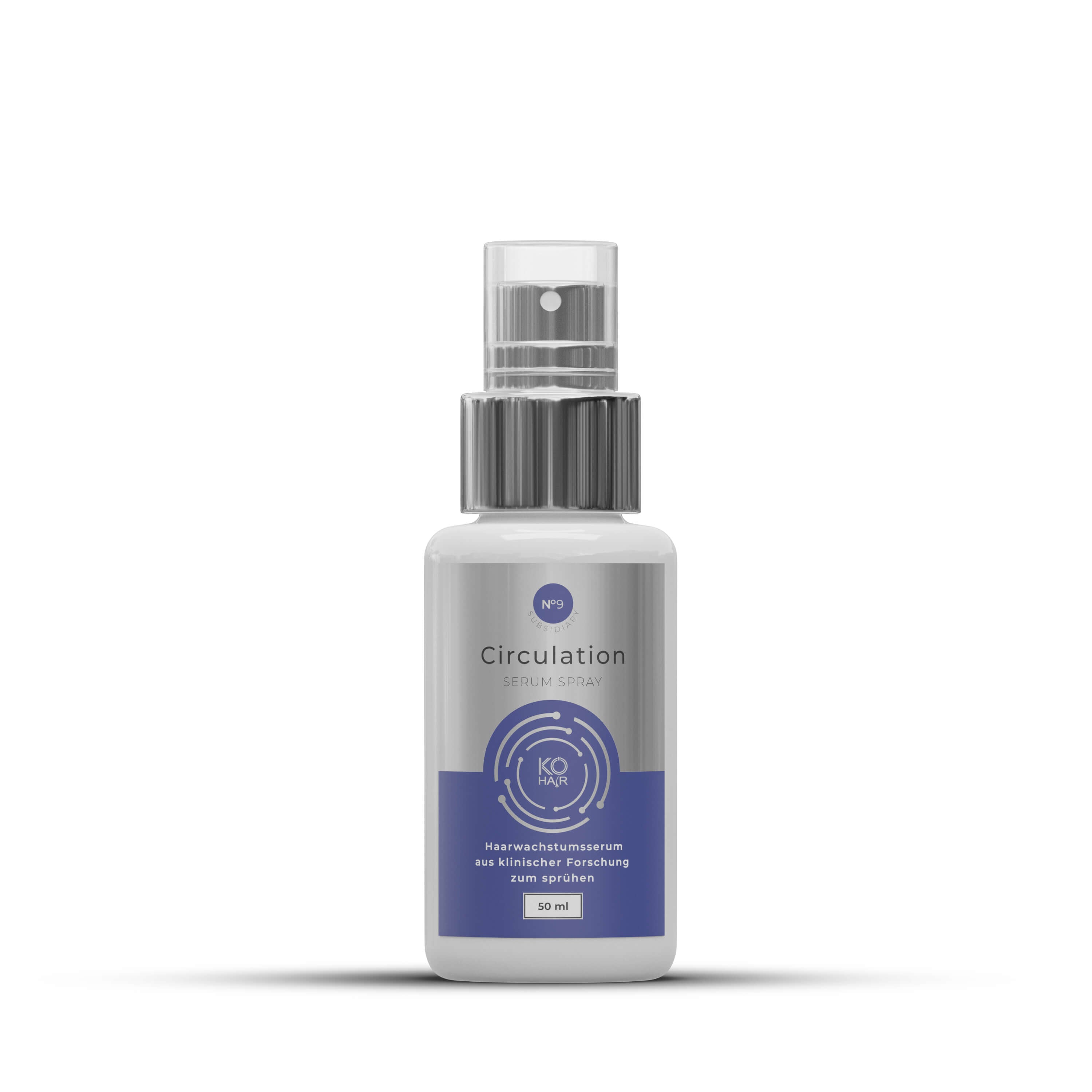
From the second month after the transplant, you can additionally include growth-promoting products in your routine. The Circulation Shampoo and the Circulation Serum Spray contain the clinically tested active complex Redensyl®, which activates the stem cells of the hair follicles and can demonstrably promote hair growth. Clinical studies show up to 17 percent more hair within 84 days.
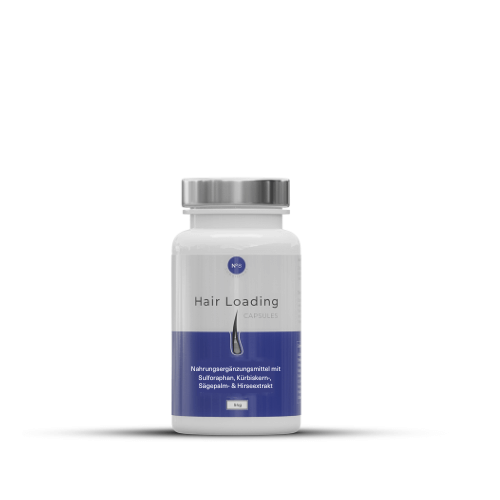
Additionally, the Hair Loading Capsules supply your body from within with important vitamins, biotin, zinc, and amino acids – nutrients essential for strong and healthy hair growth and that further support regeneration after the procedure.
The most important rules at a glance
For an optimal result of your hair transplant, you should observe the following basic rules: Do not wash your hair at all in the first three days. From day 3, use only lukewarm water from a cup – never the direct shower stream. Soak the scabs for at least 30 minutes with a moisturizing spray before each wash. Gently pat the shampoo on without rubbing. Dry your hair only with paper towels or air dry. Begin gentle scab removal only from day 10. And above all: be patient. The new hair usually begins to grow visibly after three to four months.
With the right technique, high-quality care products, and some patience, you lay the foundation for an optimal result of your hair transplant. If you are unsure or have questions about care, do not hesitate to contact your treating doctor.