Oral Minoxidil 2026: How the New Tablet Form Could Change Hair Loss Treatment
The treatment of hair loss is at a significant turning point. While topical solutions like foams and tinctures have dominated the market for decades, a new form of therapy is coming into focus in medical research in 2026: oral minoxidil in tablet form. Recent clinical studies suggest that this development could fundamentally change the way we treat androgenetic alopecia.
The Breakthrough in the Phase 3 Study
At the end of April 2026, groundbreaking results from a large-scale Phase 3 study were published, investigating the effectiveness of a new oral minoxidil formulation. The study included over 500 male participants with hereditary hair loss and tested a special extended-release preparation. The results significantly exceeded the expectations of the medical community.
After a period of six months, participants who took the preparation twice daily recorded a significant increase of an average of 33 new hairs per square centimeter. With once-daily intake, there were still an impressive 30 hairs per square centimeter, while the placebo group showed only minimal growth. Furthermore, over 80 percent of the treated men reported a noticeable improvement in their hair condition, as documented by standardized patient surveys.
| Dosage (Extended-Release) | Hair Growth per cm² (after 6 months) | Patient Satisfaction (AAIRS) |
|---|---|---|
| Twice daily (8.5 mg) | +33 hairs | 86 % |
| Once daily (8.5 mg) | +30 hairs | 79 % |
| Placebo | +7 hairs | 36 % |
Topical versus Oral Application: A Paradigm Shift
Until now, minoxidil has primarily been applied topically directly to the scalp. While this method is proven, it is often accompanied by unwanted side effects such as itching, redness, or a flaky scalp in many users. Additionally, daily application requires a certain discipline and can affect hair styling.
Oral intake offers decisive advantages in handling. Patient compliance is generally much higher with tablets than with locally applied preparations. Another medical advantage lies in metabolism: oral minoxidil is converted into its active form in the liver by the enzyme sulfotransferase. Since enzyme activity in the liver is more constant than in the hair follicles of the scalp, patients who did not achieve satisfactory results with the topical variant often respond to oral therapy.
Holistic Hair Care as a Complement to Medical Therapy
Despite the promising developments in oral medication, direct care of the scalp and hair follicles remains an essential part of a successful anti-hair loss strategy. Medical therapy should always be accompanied by targeted, high-quality external care to create an optimal environment for hair growth.
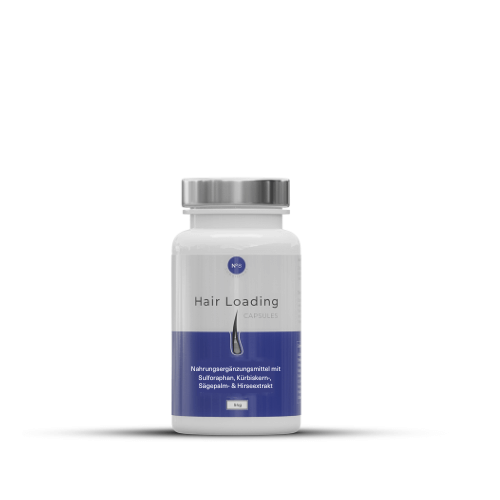
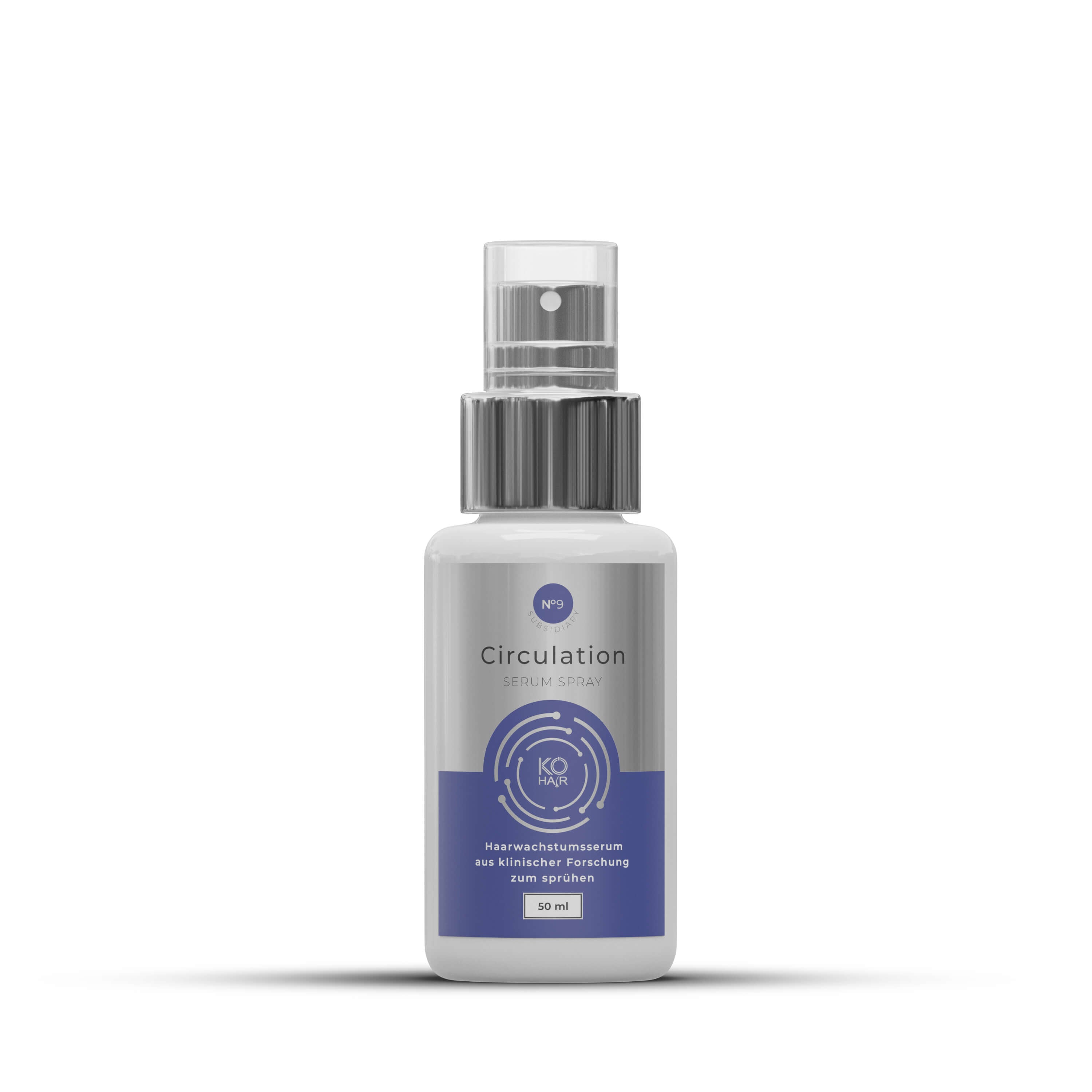
The KÖsmetik experts recommend a synergistic approach. Products like the KÖ-HAIR Hair Loading Capsules additionally supply the body with important micronutrients essential for keratin formation. For direct stimulation of the hair follicles from the outside, the KÖ-HAIR Circulation Serum Spray has proven effective, promoting microcirculation of the scalp.

Daily hair washing should also focus on strengthening the hair roots. The KÖ-HAIR Circulation Shampoo gently cleanses the scalp without drying it out and prepares it optimally for the absorption of further care substances. This combination of internal and external application forms the foundation for long-lasting strong hair.
Safety and Side Effect Profile
A key aspect of the new study results is the positive safety profile. Since minoxidil was originally developed as a blood pressure medication, there were concerns about possible cardiovascular side effects with oral intake. However, current data show that the special extended-release formulation for hair loss treatment is very well tolerated. No significant heart problems were observed, and the overall side effect rate was comparable to the placebo group.
Nevertheless, oral minoxidil intake should always be under medical supervision. A known side effect can be hypertrichosis, increased hair growth in other body areas. Therefore, the individual dosage must be carefully adjusted by the treating dermatologist.
Outlook: The Future of Hair Medicine
If the regulatory authority (FDA) gives the new oral formulation the green light, this would be the first approval of a new oral medication against male hair loss since the introduction of finasteride in 1997. For millions affected, this would mean an effective, convenient, and well-tolerated alternative to existing therapies.
Until market launch, the combination of proven medical treatments and high-quality care products remains the gold standard. Those who want to proactively support their hair health will find coordinated solutions in the complete KÖ-HAIR care series, based on current scientific findings and optimally nourishing the scalp.