Washing Hair After Hair Transplant: Your Step-by-Step Guide for the First Weeks
The first days and weeks after a hair transplant are crucial for the final result. Besides avoiding physical exertion and maintaining proper sleep habits, one thing plays a central role: the correct hair washing. Washing your hair after the procedure is often associated with uncertainties. Many patients fear damaging the freshly transplanted grafts or disrupting the healing process.
Current findings from hair surgery in 2026 show that a structured, gentle washing routine not only prevents infections but also actively supports the growth of hair follicles. In this article, we explain in detail when you can start washing your hair, which techniques have proven effective, and why choosing the right care products is essential.
The first 48 hours: Absolute rest for your grafts
Immediately after the hair transplant, the newly implanted hair roots need time to firmly anchor in the scalp. Therefore, hair washing is strictly prohibited during the first 48 hours after the procedure. Water, friction, or the pressure of a shower stream could wash out or displace the still loose grafts. In this critical phase, you should touch the recipient area as little as possible and keep your head dry.
To still provide moisture to the scalp and relieve tension, using a special moisturizing spray is recommended. The KÖ-HAIR Aloe Vera Spray was specially developed for postoperative care. It cools the irritated scalp, provides intensive moisture, and promotes healing without stressing the grafts. Spray the product carefully on the affected areas according to your doctor's instructions.

Days 3 to 7: The Foam-First method
From the third day after the operation, the phase of the first gentle hair washes begins. Current trends in post-op care focus on the so-called "Foam-First" method. The goal is to clean the scalp and soften the beginning crust formation without causing mechanical friction.
For these first washes, use only a mild, pH-neutral shampoo free from harsh surfactants and fragrances. The KÖ-HAIR Sensitive Calm Shampoo is ideally suited for this. It gently cleanses the scalp, relieves itching, and supports the regeneration of the skin barrier.

The application follows the "Place-and-Rinse" principle: Lightly foam the shampoo in your palms and gently dab the foam onto the recipient area. Avoid any rubbing or massaging. Let the foam sit for a few minutes so it can gently loosen the crusts. Then rinse the shampoo off with lukewarm water. Never use the direct stream of the showerhead for this; instead, carefully pour water over your head with a cup.
Days 8 to 14: Gently removing crusts
In the second week after the hair transplant, the focus is on gradually removing the formed crusts. Crust formation is a natural part of the healing process, but the crusts should be completely gone after about two weeks to avoid permanently blocking the pores and hindering hair growth.
Continue daily hair washing with the Sensitive Calm Shampoo. You can now begin to gently massage the scalp with your fingertips (never with your nails!) in light circular motions during the foam's application time. The softened crusts will gradually loosen on their own. Do not force the removal; what does not come off by itself still needs more time.
After 14 days: Returning to normal
Once all crusts have fully healed—usually after 14 days—you can gradually return to your usual hair washing routine. The direct water stream from the shower is now allowed again, as is gently patting your hair dry with a soft towel. However, continue to avoid vigorous rubbing.
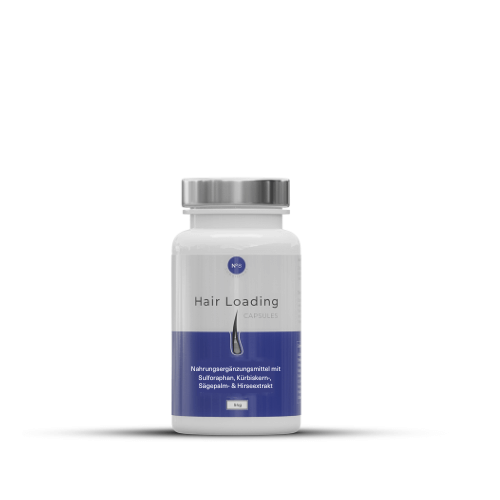
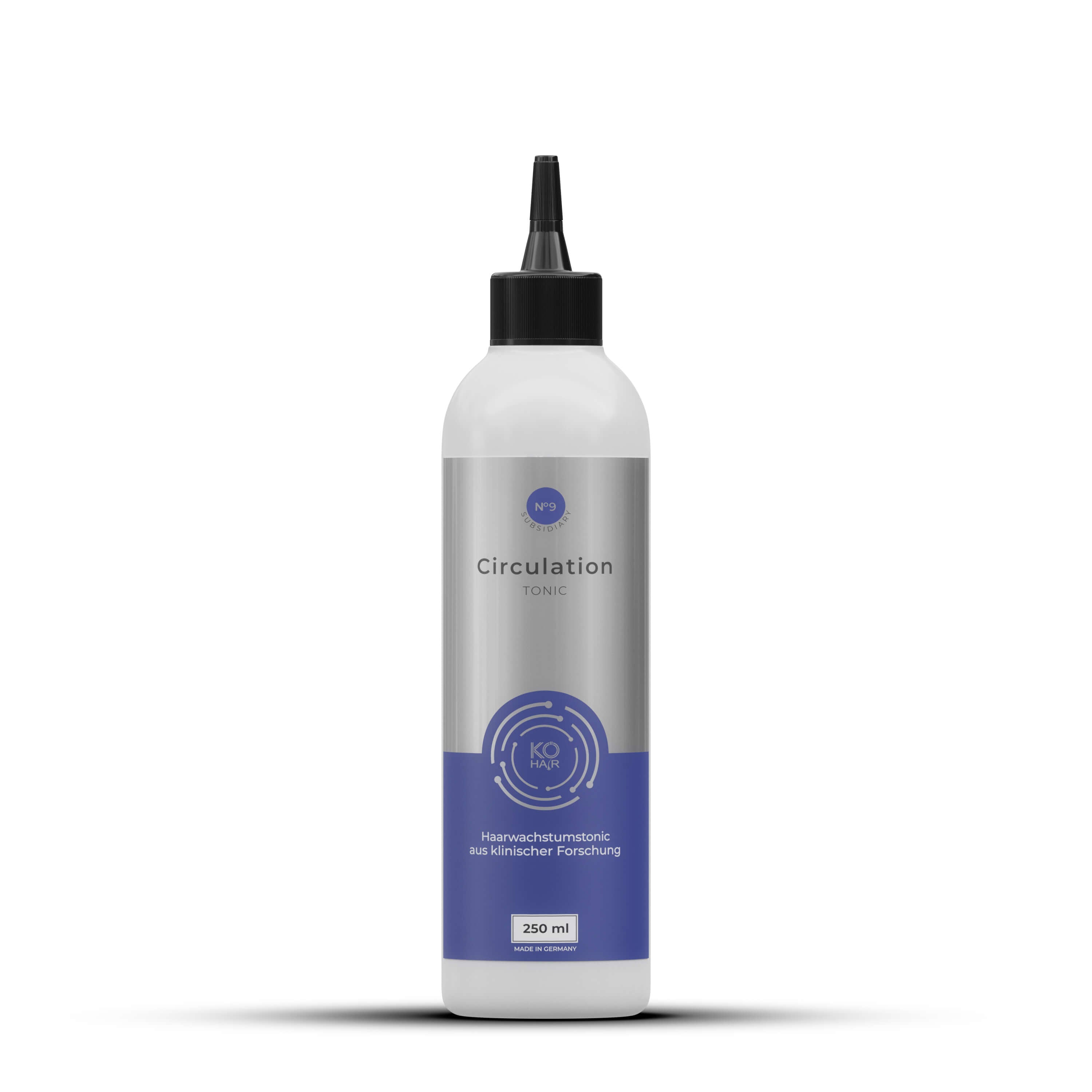
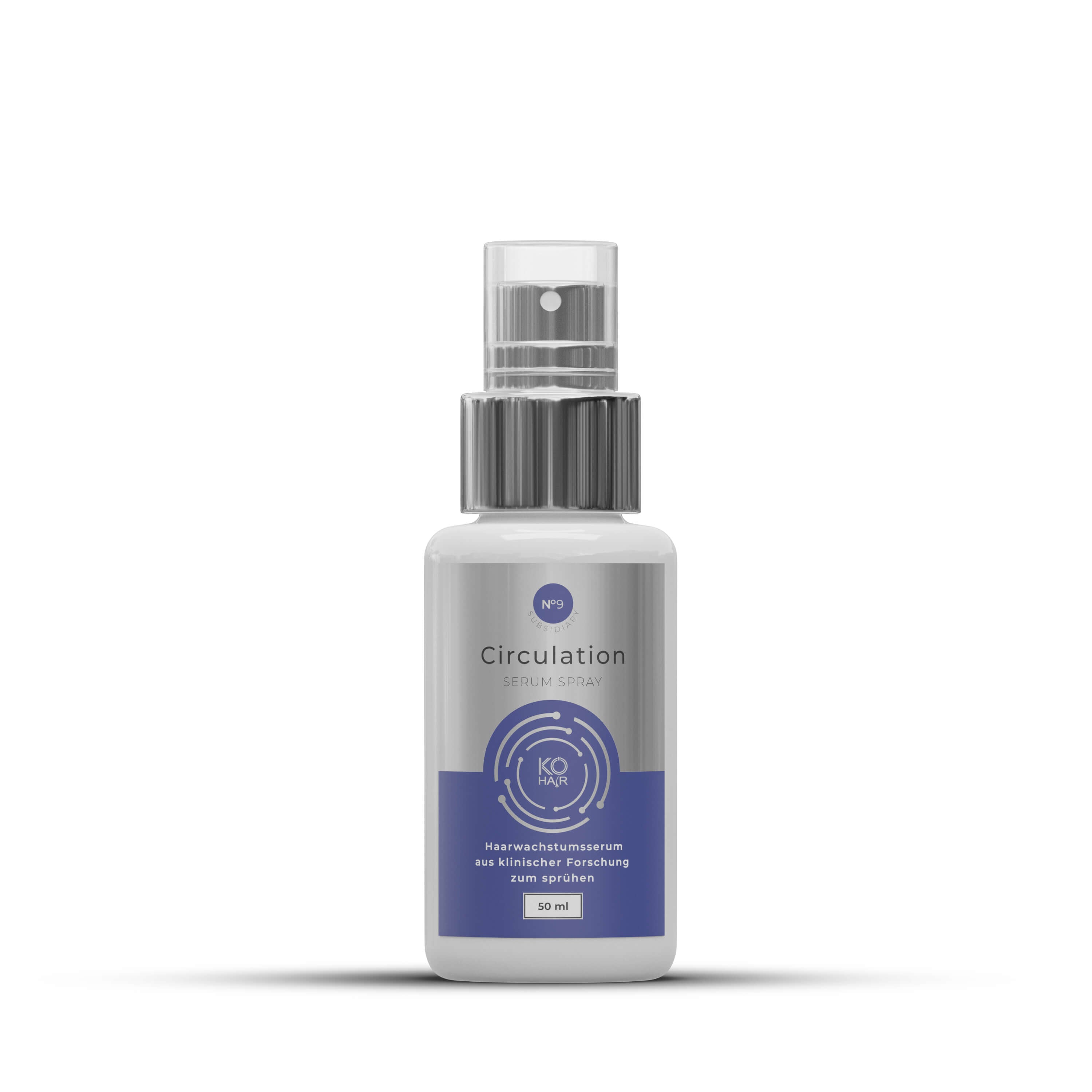
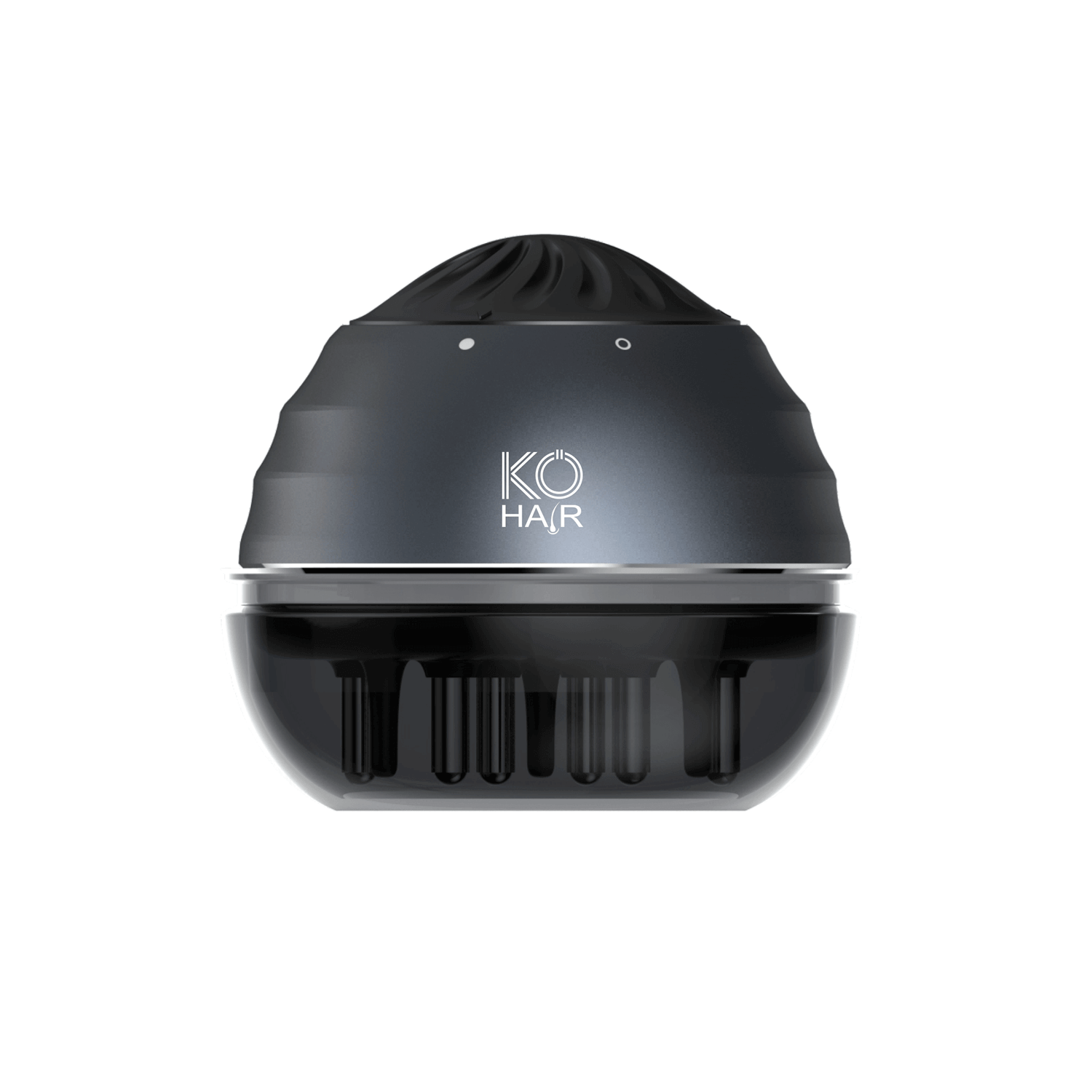
For long-term care and optimal support of hair growth, the complete post-op care series from KÖ-HAIR is recommended. These specially coordinated products supply the scalp and hair follicles with important nutrients and create the best conditions for strong, healthy hair.
Proper sleeping habits after the hair transplant
Besides correct hair washing, sleeping habits in the first weeks after the hair transplant are also very important. To prevent the freshly transplanted grafts from being damaged by friction against the pillow during sleep, you should definitely sleep on your back and keep your head slightly elevated.
A special KÖ-HAIR Neck Pillow provides ideal support here. It stabilizes the head, prevents uncontrolled turning during sleep, and effectively protects the recipient area from unwanted contact with the pillow.

Care after a hair transplant requires patience and diligence. With the right washing routine and suitable care products, you optimally support the healing process and lay the foundation for dense, natural hair growth.