Medications and Supplements Before Hair Transplantation: When You Need to Stop Taking Them
A successful hair transplant begins long before the actual procedure. While many patients focus on the time after the operation, the pre-op preparation is just as crucial for the final result. Especially the intake of medications and supplements plays a central role in blood circulation and the healing process of the scalp.
Why medications must be stopped before a hair transplant
During a hair transplant (FUE or FUT), tiny channels are made in the scalp to implant the hair follicles. If the blood is too diluted by certain active substances, increased bleeding occurs during the operation. This not only makes precise work more difficult for the surgeon but can also cause the freshly implanted grafts to be washed out of the channels before they can take root.
The pre-op schedule: What to stop and when
To ensure optimal graft growth, you should strictly follow the instructions of your treating physician. Generally, the following schedule applies for most procedures:
10 to 14 days before the procedure
Blood-thinning medications pose the greatest risk during surgical procedures. Preparations such as aspirin (ASA), ibuprofen, or other nonsteroidal anti-inflammatory drugs (NSAIDs) should be stopped at least one to two weeks before the hair transplant. Smoking should also be stopped during this period, as nicotine constricts blood vessels and drastically reduces nutrient supply to the scalp.
7 days before the procedure: Caution with supplements
Many patients take high-dose vitamins and supplements to prepare. But beware: some supplements have strong blood-thinning properties and must be paused in time. These include:
- Vitamin E: A strong antioxidant that inhibits blood clotting.
- Omega-3 fatty acids (fish oil): Have anti-inflammatory but also blood-thinning effects.
- Ginseng, Ginkgo, and garlic capsules: These herbal preparations promote blood circulation but can cause heavy bleeding during surgery.
- Vitamin B complexes: Should also be paused one week before the operation.
3 to 5 days before the procedure
Avoid alcohol completely. Alcohol dehydrates the body, thins the blood, and can reduce the effectiveness of local anesthesia. Additionally, you should pause the use of topical hair growth products like minoxidil, as these strongly stimulate scalp blood flow.
The right nutrient supply: What you can do
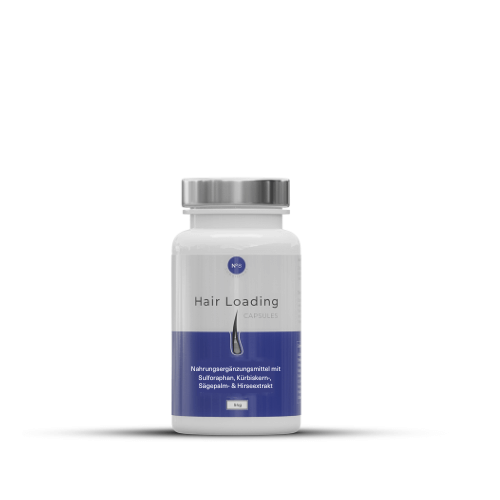
While you must stop certain supplements, a basic nutrient supply is still important to prepare the body for the healing phase. The KÖ-HAIR Hair Loading Capsules are specially designed to supply the hair roots from within with essential micronutrients. Consult your doctor whether you may take these up until shortly before the operation to create an optimal foundation for hair growth.

Optimal scalp care before the operation
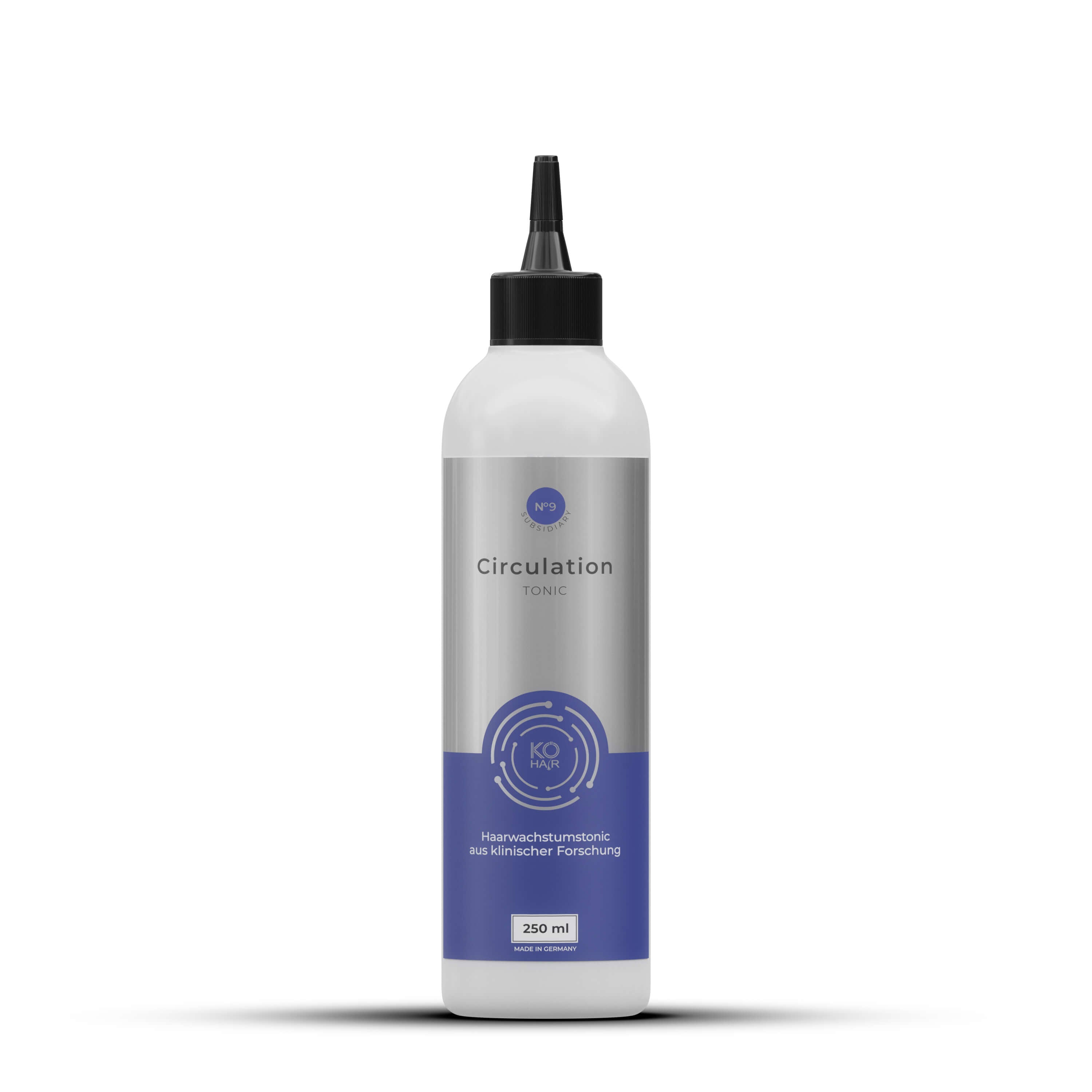
Besides internal preparation, the condition of your scalp is also crucial. A healthy, dandruff-free, and well-perfused scalp provides the best foundation for the new hair follicles. The KÖ-HAIR Growth Circulation Shampoo gently cleanses the scalp and removes sebum and deposits without irritating it. It prepares the scalp optimally for the procedure.

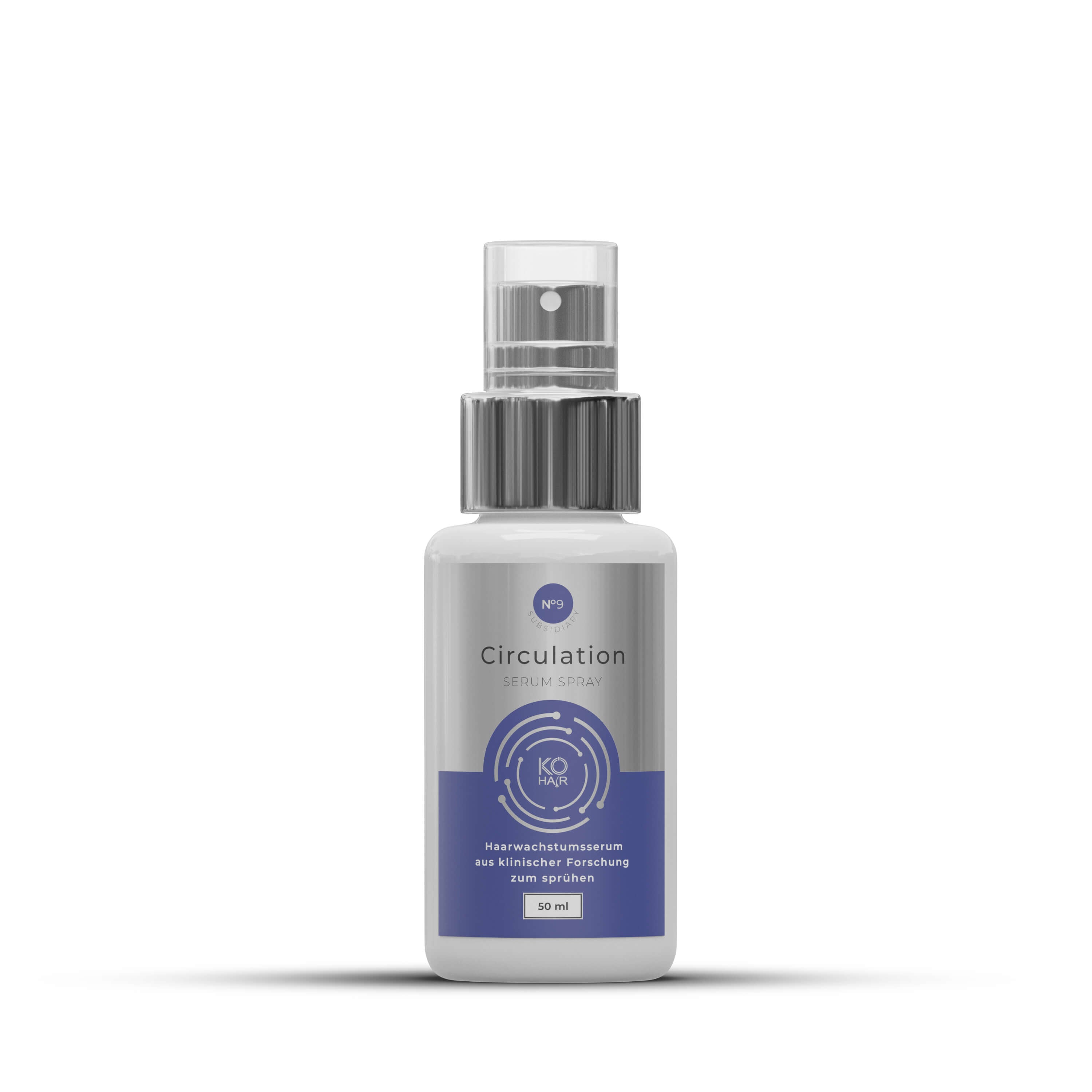
For additional stimulation of scalp blood flow in the weeks before the operation, the KÖ-HAIR Circulation Serum Spray is suitable. However, note that topical stimulants should also be stopped a few days before the operation to avoid excessive blood flow during the procedure.

Which blood tests are necessary before the operation
Every reputable clinic requires a comprehensive blood test before a hair transplant. This not only ensures safety during the procedure but also provides information about possible nutrient deficiencies that could affect graft growth. The most important lab values include a complete blood count, coagulation values, liver and kidney function tests, and an infection screening (hepatitis B/C, HIV). Additionally, ferritin, vitamin D, and thyroid values should be determined, as these parameters are directly related to hair health.
Conclusion: Discipline pays off
Preparing for a hair transplant requires discipline and forward planning. Timely stopping blood-thinning medications, certain vitamins, and alcohol is essential for a safe procedure and optimal graft growth. With the right care, such as the KÖ-HAIR care series, you create the best conditions for full, strong hair. Always clarify every step of your pre-op routine in advance with your treating specialist.