Hair growth in winter: Why the cold season is a challenge
The winter months pose special challenges for the scalp and hair growth. Falling temperatures, dry heated air, and reduced hours of sunlight directly affect the hair follicles. As a result, dry ends, itchy scalp, and increased seasonal hair loss often appear. Below you will find a structured overview of why winter is demanding for hair growth—and which factors play a central role.
Dry heated air strains the scalp
While the cold outside air contains little moisture, the warm heated air simultaneously draws additional hydration from the scalp. This double strain weakens the natural skin barrier. The consequence: feelings of tightness, dandruff formation, and a more sensitive scalp that can impair the nutrient supply to the hair roots.
Cold reduces blood circulation
In cold, the scalp contracts—a natural protective mechanism to retain heat. However, this reduced blood flow also means that the hair follicles receive less oxygen and nutrients. A slowed metabolic process in the follicles can negatively affect hair growth.
Less sunlight means lower vitamin D production
Vitamin D plays an essential role in the activity of the hair follicles. Due to the low UV radiation in winter, the body's own vitamin D production drops significantly. This deficiency can cause growth to slow down and the hair cycle to lengthen.
Winter-related friction and mechanical stress
Scarves, hats, and thick jackets cause friction. The hair becomes strained, statically charged, and more prone to breakage. Additionally, constant wearing of head coverings can change the microclimate on the scalp—sweat and warmth can disturb the delicate balance and promote irritation.
Increased care needs in the cold season
To best support hair growth in winter, a targeted, nutrient-rich care routine is crucial. This includes:
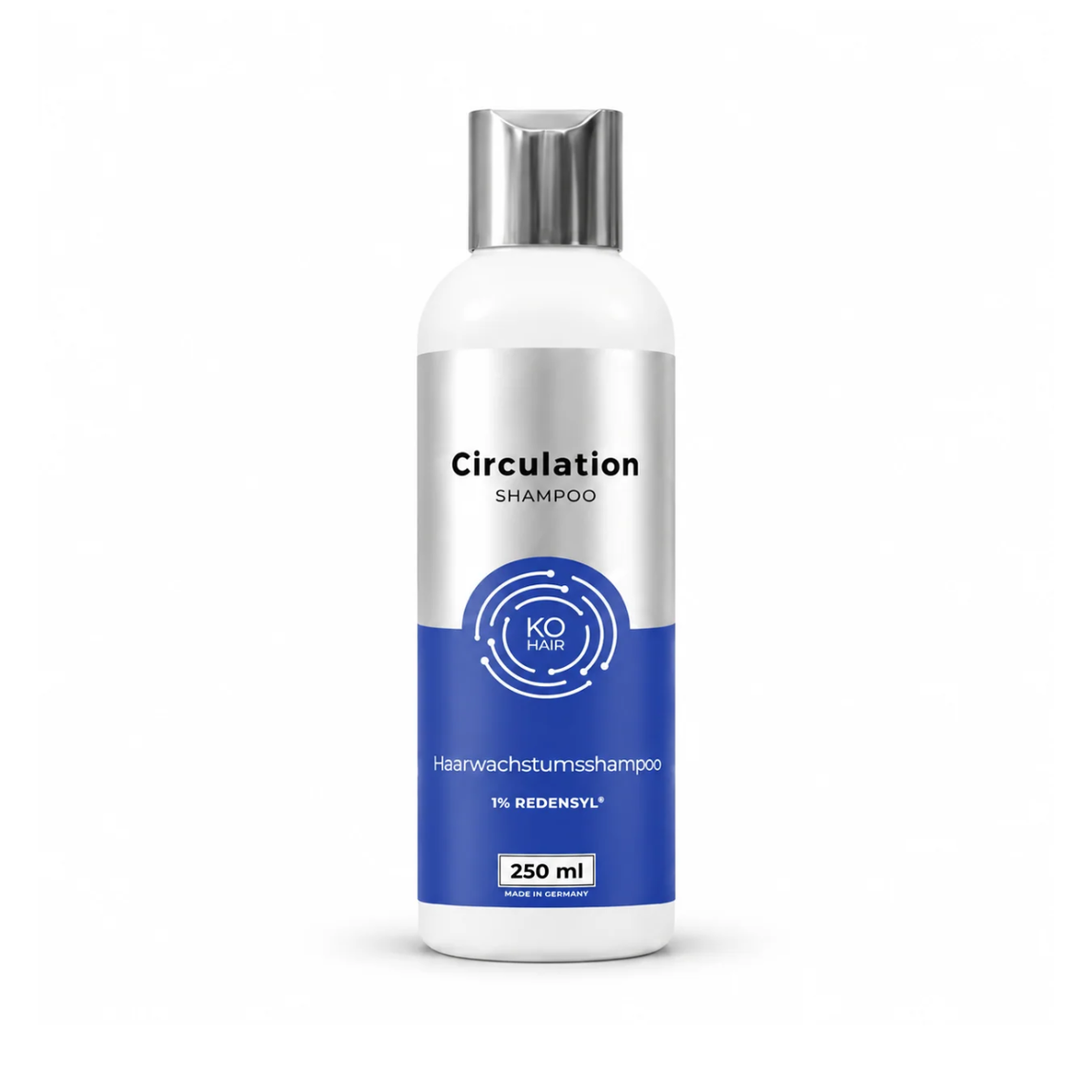
ü Moisturizing shampoos and scalp care to stabilize the skin barrier.
ü Strengthening leave-in products to protect against mechanical stress.
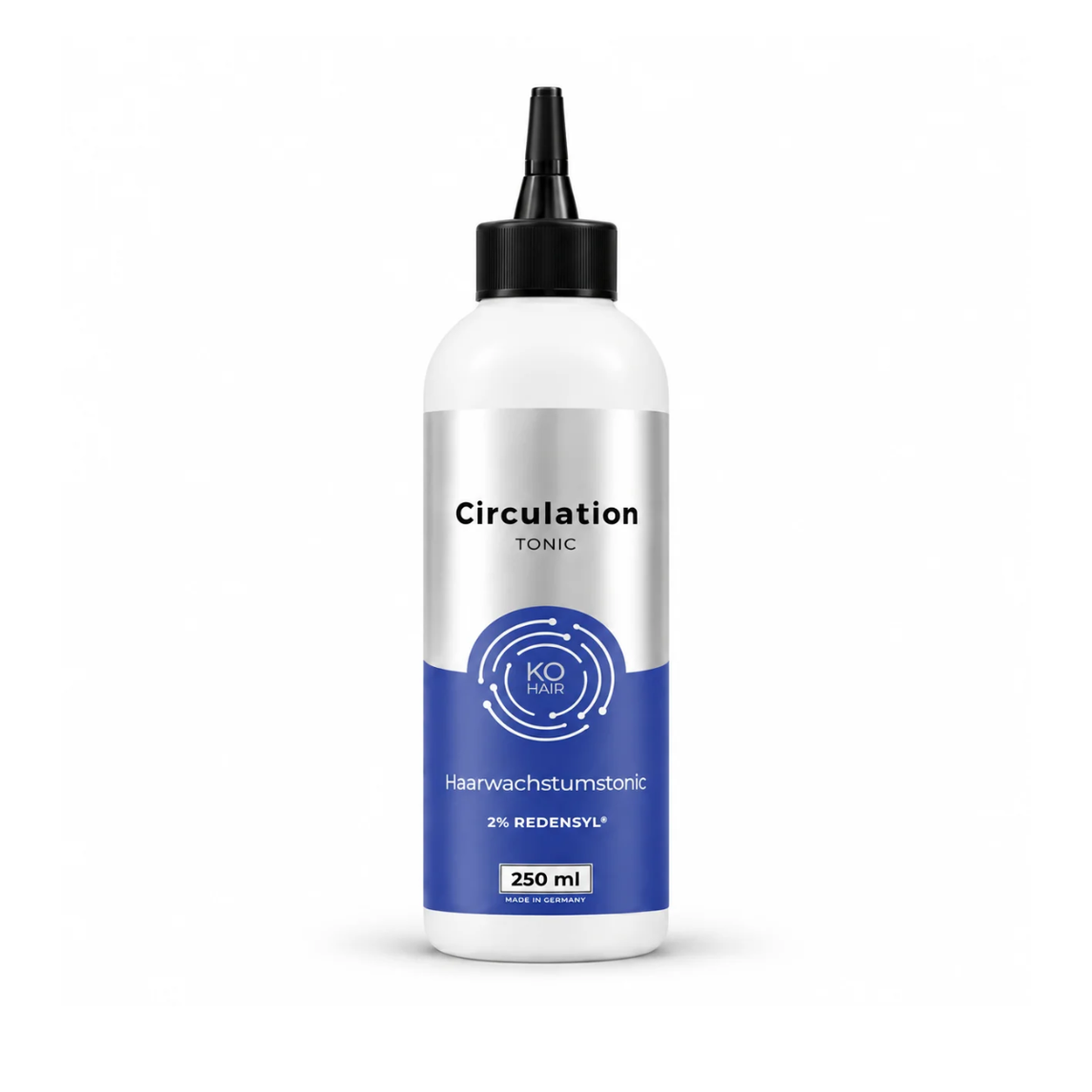
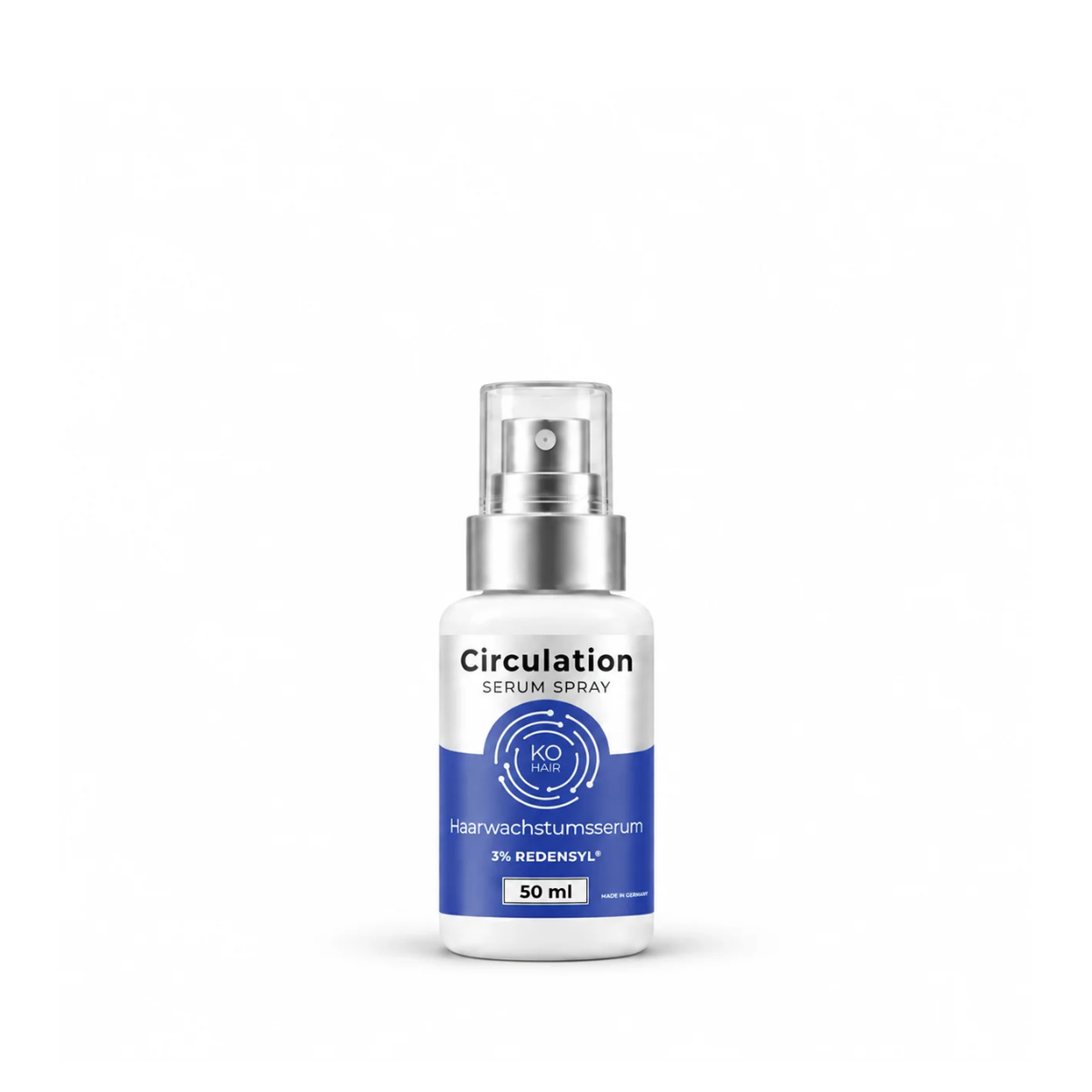
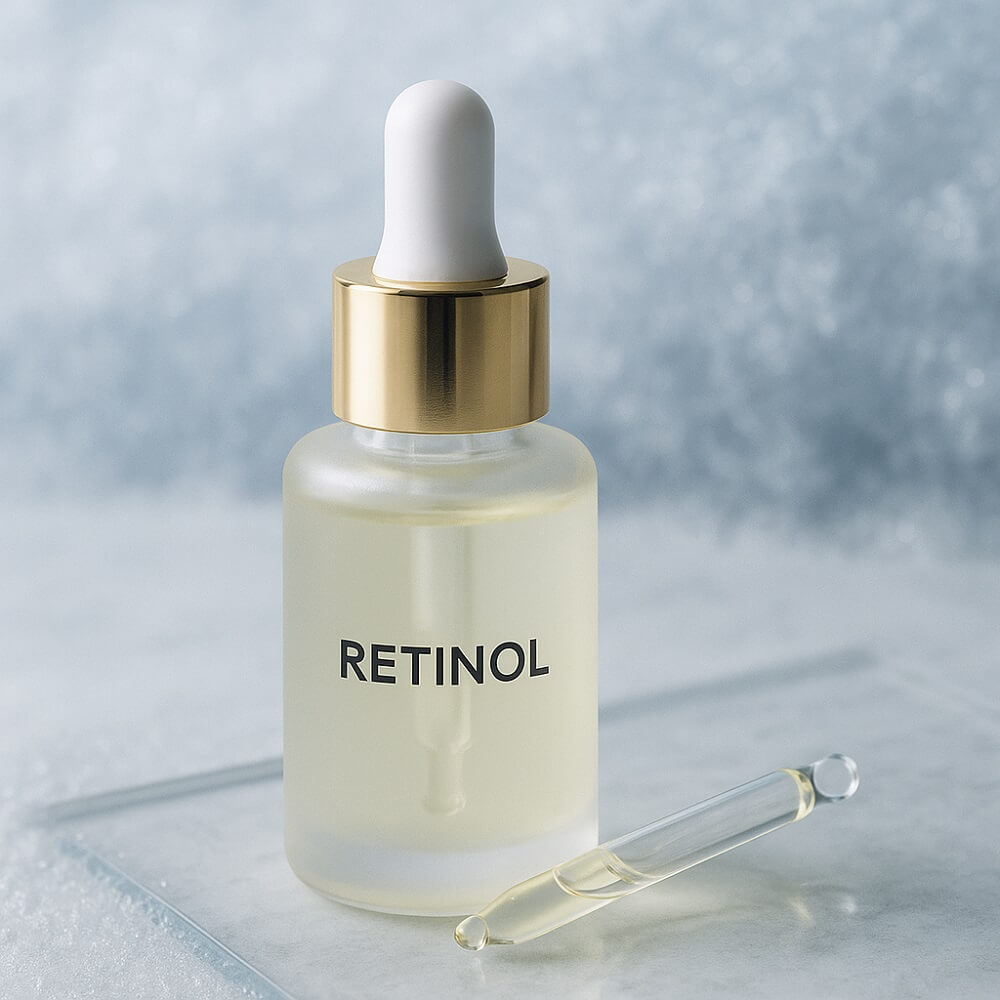
ü Nutrient-rich serums to promote blood circulation and support follicle activity.
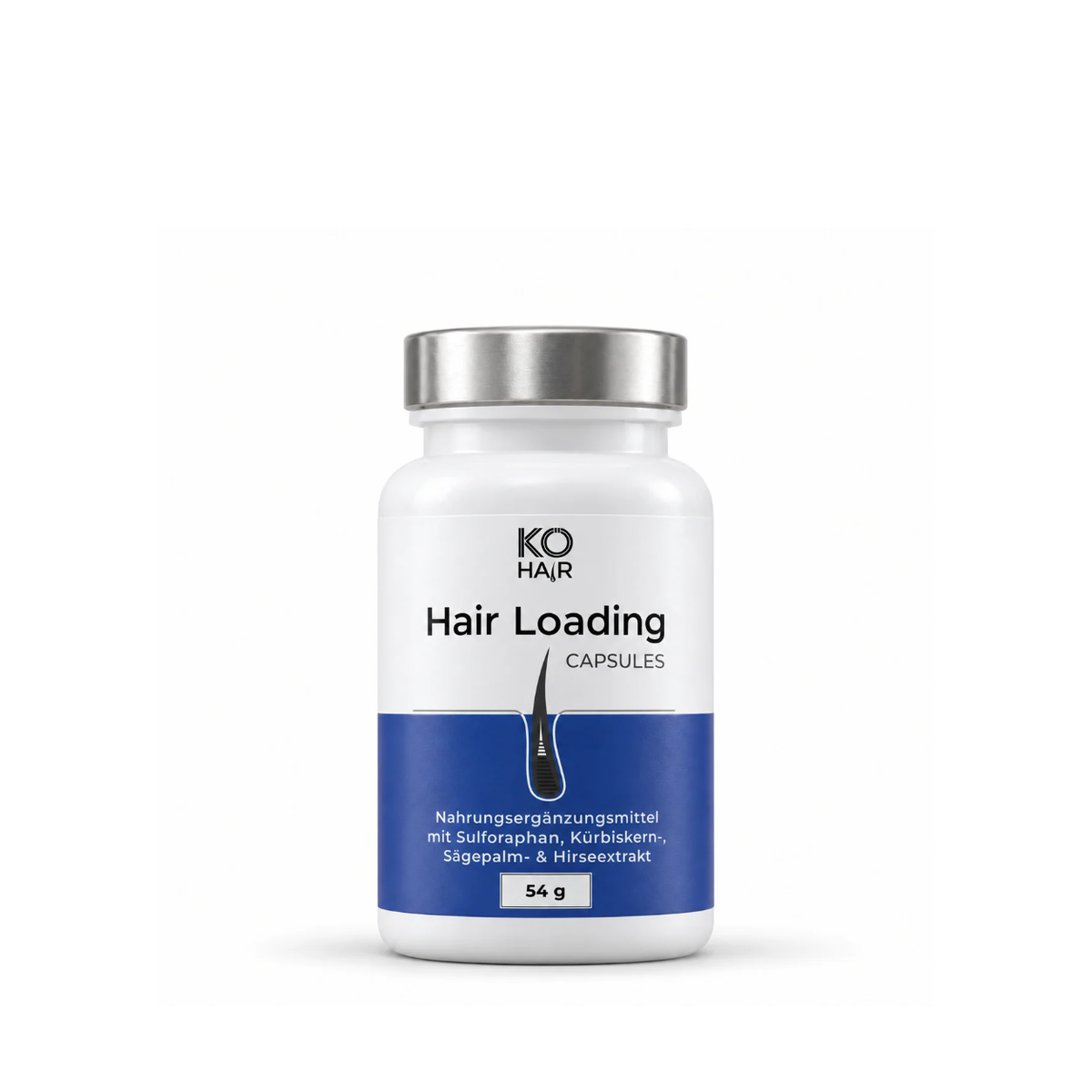
ü Balanced nutrition and dietary supplements to ensure optimal vitamin D and mineral supply.
Those who understand the special conditions of winter can take early countermeasures and specifically promote hair growth. With the right care, hair remains vital, resilient, and healthy even in the cold season.