Scalp sun protection for thinning hair: UV protection for the part and hairline
A sunny day feels carefree—until your part feels tight, your scalp turns red, or fine flakes appear a few days later. Especially with fine, thinning, or receding hair, UV radiation reaches areas of skin that otherwise receive little attention more quickly. That is why the part, temples, hairline, and crown belong in your summer protection routine just as much as your face, neck, and décolleté.
This topic aligns with one of the most important haircare trends of 2026: scalp care is no longer viewed merely as an addition to washing your hair, but as an independent part of modern skincare. However, one thing remains true: sunscreen is not a hair-growth treatment. It protects exposed skin and helps prevent sunburn, irritation, and unnecessary stress for the scalp.
Why a thinning scalp is particularly quick to catch the sun
Hair does provide some natural shade, but it does not replace reliable UV protection. The wider the part, the shorter or finer the hair, and the thinner the crown, the more direct radiation reaches the scalp. Freshly cut, tied-back, or wet hair can also suddenly expose areas that were previously protected.
Pay particular attention to these areas:
- middle or side part,
- temples and receding hairline,
- front hairline and forehead contour,
- whorl and crown,
- very closely shaved or visibly thinning areas.
Sunburn on the scalp may cause redness, a sensation of heat, tenderness, burning, or later peeling. If blisters, severe pain, circulatory problems, or unusual skin changes occur, seek medical evaluation.
The 5-step routine for your part and hairline
1. Consciously check exposed areas in the morning
Before leaving the house, part your hair as you intend to wear it later and examine it in daylight. Also check your temples, hairline, and whorl. It takes less than a minute and helps prevent individual strips of skin from remaining unprotected.
2. Use broad-spectrum sunscreen with at least SPF 30
For exposed scalp, use broad-spectrum, water-resistant sunscreen with at least SPF 30. Apply it carefully to all visible areas of skin. Sprays, sticks, or powder products specifically suitable for the face or scalp are often easier to distribute between the hair than a rich body lotion.
Important: A fine spray mist alone does not guarantee an even layer of protection. Work the product in according to the manufacturer’s instructions and avoid gaps. Reapply after swimming, heavy sweating, toweling off, or according to the stated protection duration.
3. Use a hat and shade as your strongest styling partners
A densely woven, wide-brimmed hat protects the part, ears, forehead, and neck at the same time. In intense midday sun, combining shade, headwear, and sunscreen is more reliable than relying on a single measure. Make sure the hat does not rub constantly or fit too tightly.
4. Cleanse gently after sun and sweating
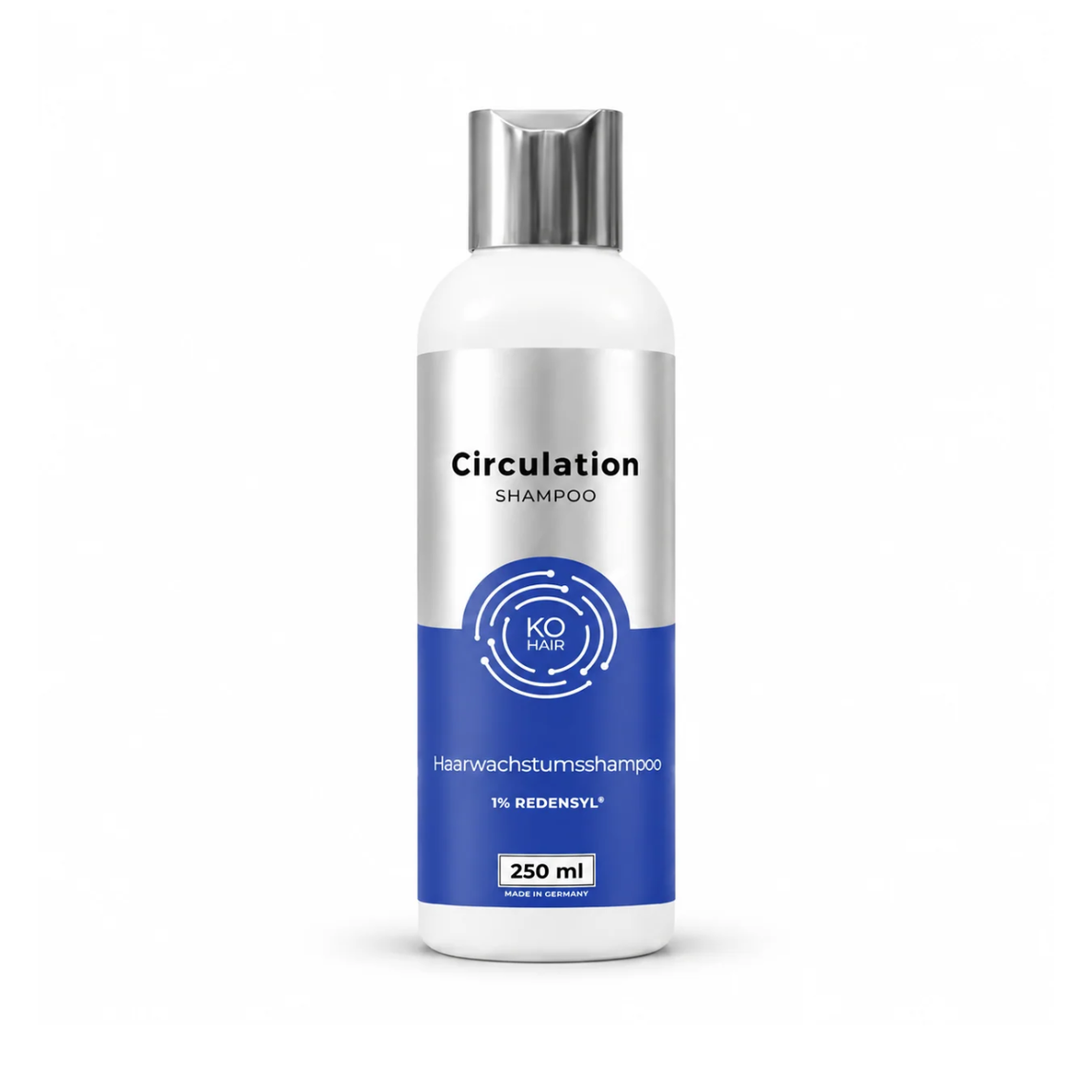
Sweat, styling residue, and sunscreen can accumulate at the roots. However, an aggressive double wash is rarely necessary. Rinse thoroughly with lukewarm water and cleanse the scalp using gentle fingertips rather than fingernails. The KÖ-HAIR Growth Circulation Shampoo can be used as part of a mindful care routine when you want thorough but controlled cleansing of the roots and scalp.
If the scalp is acutely sunburned, severely red, or sore, pause additional active care products at first. During this phase, cooling, minimizing irritation, and seeking medical advice if necessary matter more than an extensive routine.
5. Then care for the scalp specifically
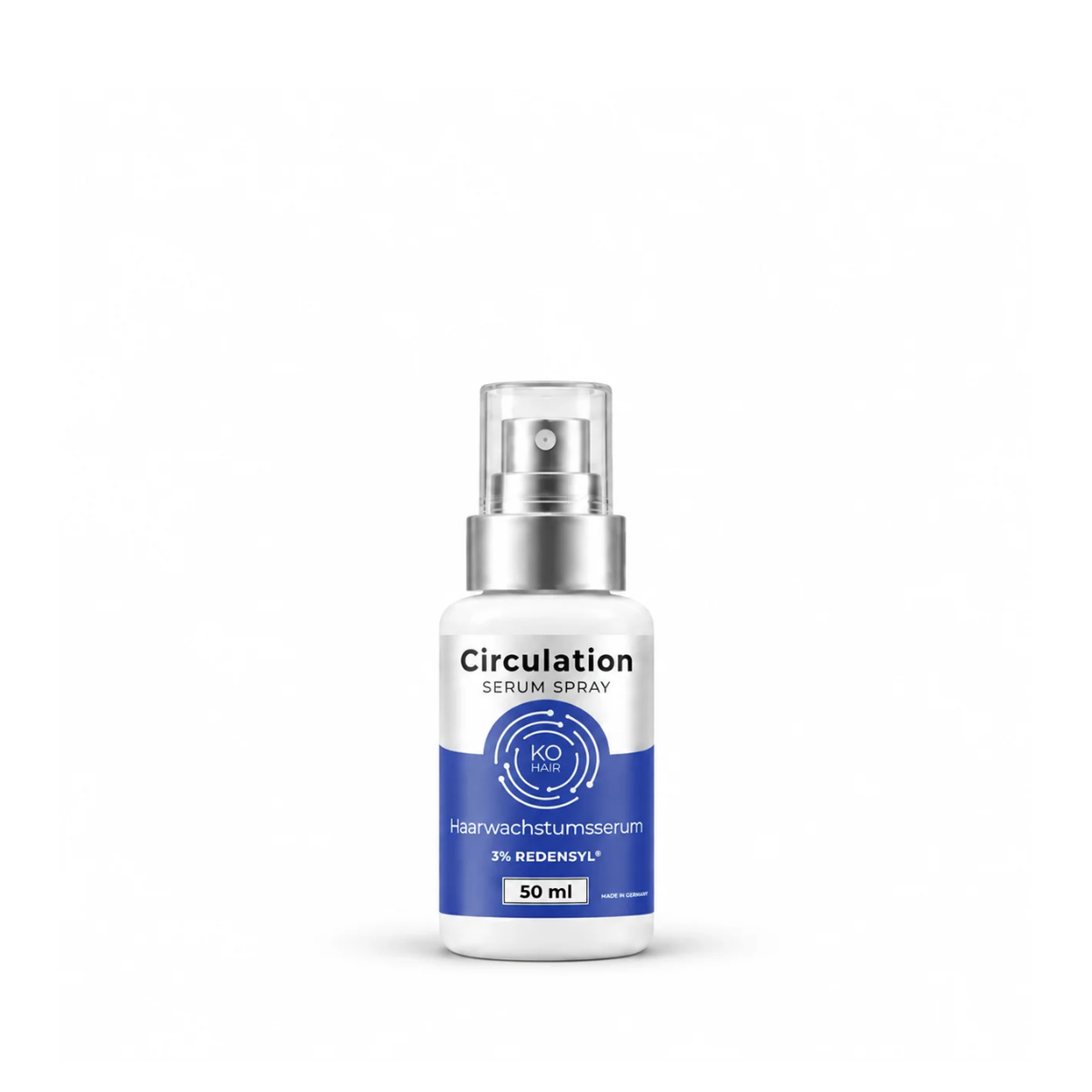
On intact, non-irritated scalp, the KÖ-HAIR Circulation Serum Spray can be applied specifically to the roots after cleansing. Part the hair section by section, spray sparingly, and distribute the serum gently. More product does not automatically mean greater benefits—a regular, well-tolerated application is more useful than constantly changing intensive treatments.
UV protection and haircare: What sunscreen can—and cannot—do
Sunscreen protects the skin from UV radiation. It cannot treat genetically determined hair loss or restore lost hair density. Nevertheless, protected, minimally irritated scalp is an important foundation for a comfortable care routine. Anyone who notices increased hair loss, bald patches, itching, or inflammation should have the cause evaluated by a dermatologist at an early stage.
The lengths of the hair also benefit from a restrained summer routine: UV radiation, salt water, chlorine, and heat can make dry or color-treated hair appear rougher. A hat, loose hairstyles, less heat styling, and a suitable conditioner can help reduce unnecessary breakage.
Nutrition and supplements: Support without exaggeration
Hair growth is a long-term biological process. A balanced diet with sufficient protein, iron, zinc, essential fatty acids, and various micronutrients supports the body comprehensively. However, supplements should not be taken according to the principle that more is better. Excess amounts of certain nutrients can also be problematic.
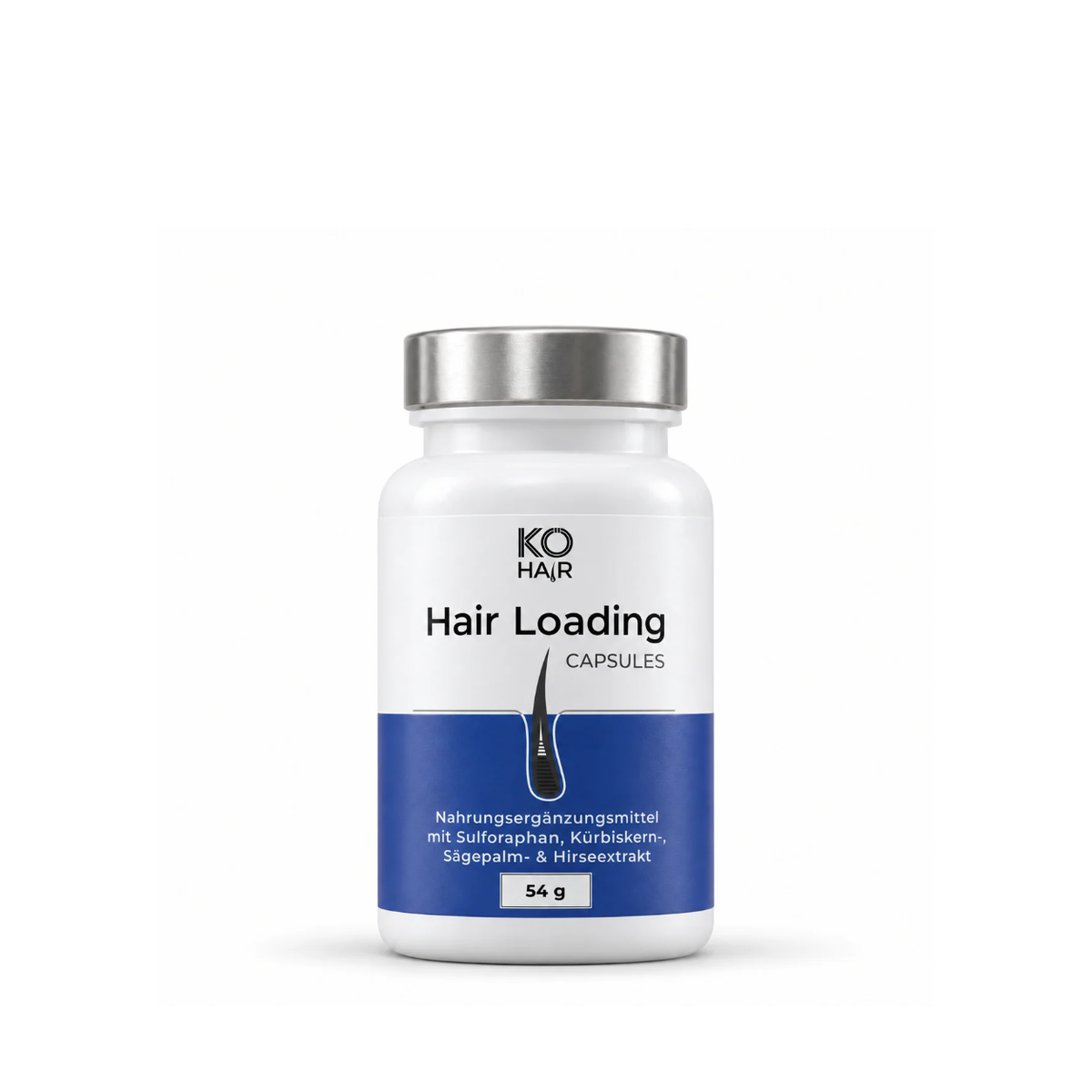
The KÖ-HAIR Hair Loading Capsules can complement a structured beauty routine. They do not replace a varied diet or medical evaluation of diffuse or sudden hair loss. If you take medication, have existing conditions, are pregnant, or are unsure about your individual nutritional needs, consult a qualified professional.
Instantly more visual fullness—without forgetting UV protection
A protected part can still look visibly sparse. For everyday life, events, and photos, KÖ-HAIR Fibers offer a quick cosmetic solution: The fine cotton fibers visually blend with existing hair, making the part, crown, or receding hairline appear fuller within seconds. They are suitable for women and men and can be applied selectively wherever more density is desired.
The order of application is crucial: First apply sunscreen evenly to the exposed scalp and allow it to set or dry completely. Only then carefully apply the fibers to dry hair. Hair fibers do not replace sunscreen and should not be considered a protective layer.
Summer checklist for thinning and sensitive scalp
- Check your part, temples, hairline, and whorl every day.
- Use broad-spectrum, water-resistant SPF 30 or higher.
- Reapply after swimming, sweating, and toweling off.
- In strong sunlight, also use a hat and seek shade.
- In the evening, gently remove sweat, sunscreen, and styling residue.
- Use active scalp care only on intact, non-sunburned skin.
- Seek medical advice if redness, pain, itching, or unusual hair loss persists.
Conclusion: Your part belongs in your daily sun-protection routine
Modern haircare does not begin with shampoo and end with styling. Especially with thinning hair, visible scalp needs the same consistent UV protection as the face. By considering your part and hairline in the morning, reapplying protection at midday, and cleansing gently in the evening, you can turn an easily forgotten area of skin into a natural part of your beauty routine.
The best routine remains realistic: sun protection for the skin, gentle care for the scalp and hair, a balanced diet for the body—and, when needed, KÖ-HAIR Fibers for instantly visible cosmetic fullness.
Sources and expert information
- American Academy of Dermatology: Scalp, sun, and dandruff
- American Academy of Dermatology: Gentle hair care for hair loss
- American Academy of Dermatology: Causes and evaluation of hair loss
This article is for general information only and does not replace an individual medical diagnosis or treatment.