Muscle growth & hair health: What role does protein supply play?
Those who train regularly know: Without protein, no muscle growth. But proteins are not only important for athletes – they also play a crucial role in the health of our hair. A balanced protein supply ensures that the hair structure remains strong, shiny, and resilient. Why this is so and which protein sources are especially recommended can be found here.
Why proteins are equally important for muscles and hair
Proteins – also called albumins – are the basic building blocks of our body. They are involved in almost all biological processes: from building muscle to forming enzymes to regenerating cells.
Hair also consists mostly of a protein called keratin. It forms the structure of the hair shaft and provides stability and elasticity. A lack of proteins can therefore not only hinder muscle growth but also impair hair quality – the result: brittle, thinning, or dull hair.
Signs of insufficient protein supply
A moderate protein deficiency often develops gradually. Besides stagnating muscle growth or muscle weakness, hair health can also suffer. Typical warning signs are:
û Hair loss or slowed hair growth
û Brittle, dull hair
û Brittle nails
û Tiredness and concentration problems
Those who exercise regularly also have an increased protein need, as the body uses proteins for muscle growth and regeneration. If this need is not met, the body draws on its own protein reserves – which can also negatively affect the hair.
The best protein sources for strong muscles and healthy hair
To meet the daily protein requirement, a combination of animal and plant protein sources is recommended. Important is a high biological value – that is, how well the ingested protein can be converted into the body's own proteins.
Recommended protein sources:
ü Lean meat and fish, e.g. chicken, turkey, salmon, or tuna
ü Dairy products, e.g. curd, yogurt, cheese
ü Eggs: High-quality protein source with a complete amino acid profile
ü Legumes, e.g. lentils, chickpeas, and beans as plant-based alternatives
ü Nuts and seeds, e.g. almonds, chia seeds, hemp seeds
ü Protein shakes or bars: Practical after training to quickly cover protein needs
Tip: Those who eat vegetarian or vegan can also achieve high protein quality through clever combinations – such as rice with beans or oatmeal with soy milk.
Amino acids – the key components for healthy hair
Not all proteins are the same: Their amino acids, the smallest building blocks of protein, are decisive. Especially important for hair are cysteine, methionine, and lysine – they promote keratin formation and support hair growth.
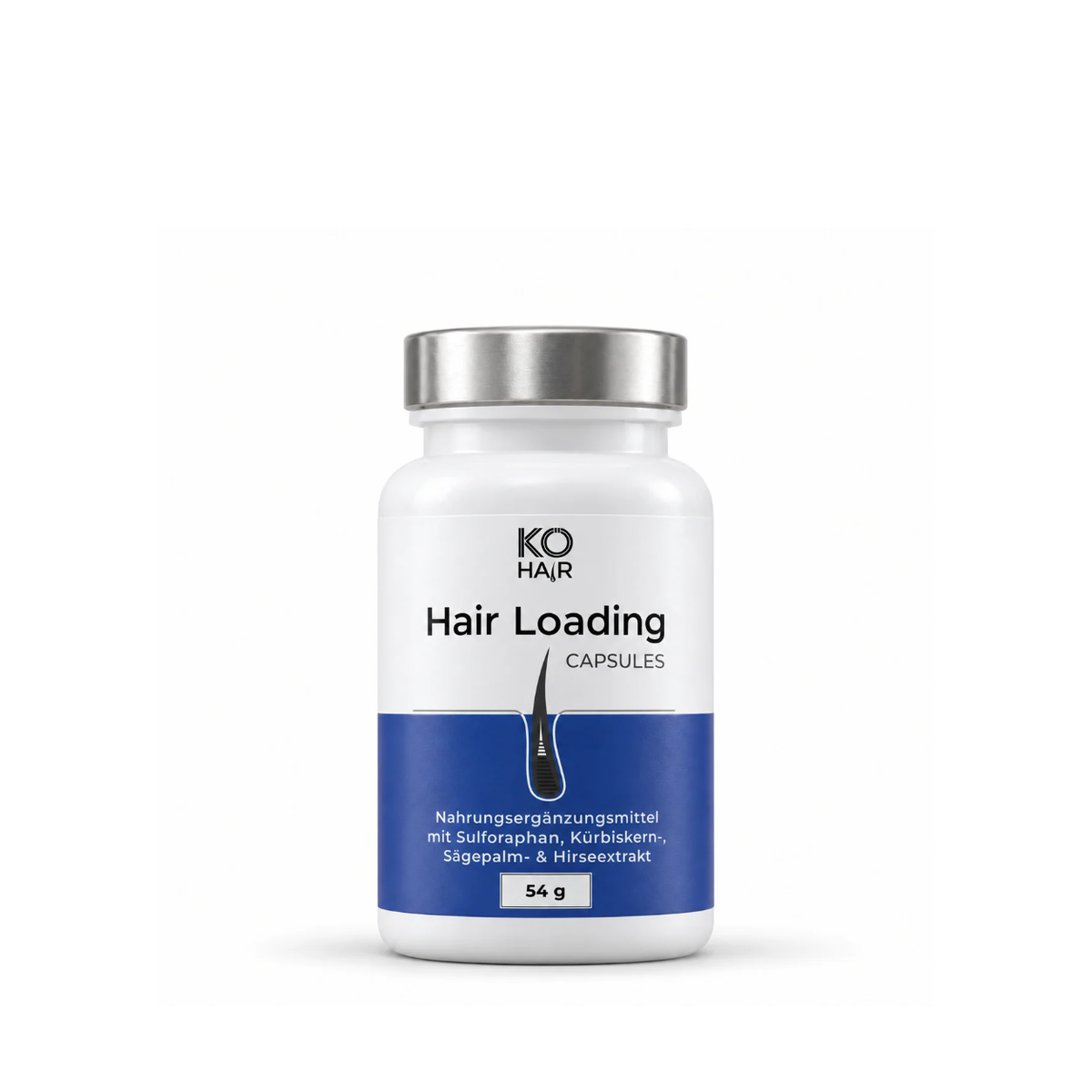
Many dietary supplements to strengthen hair therefore specifically contain these amino acids, often combined with vitamins and minerals such as biotin, zinc, and iron.
Conclusion – Protein as a beauty booster from within
An adequate protein supply is not only essential for muscle growth but also for strong, healthy hair. Those who pay attention to a balanced diet with high-quality protein sources actively support hair structure, growth, and overall vitality.
Whether through food or supplementary protein products – regularity is key. Because healthy hair grows from within – and for that, a stable foundation of protein, vitamins, and minerals is needed.