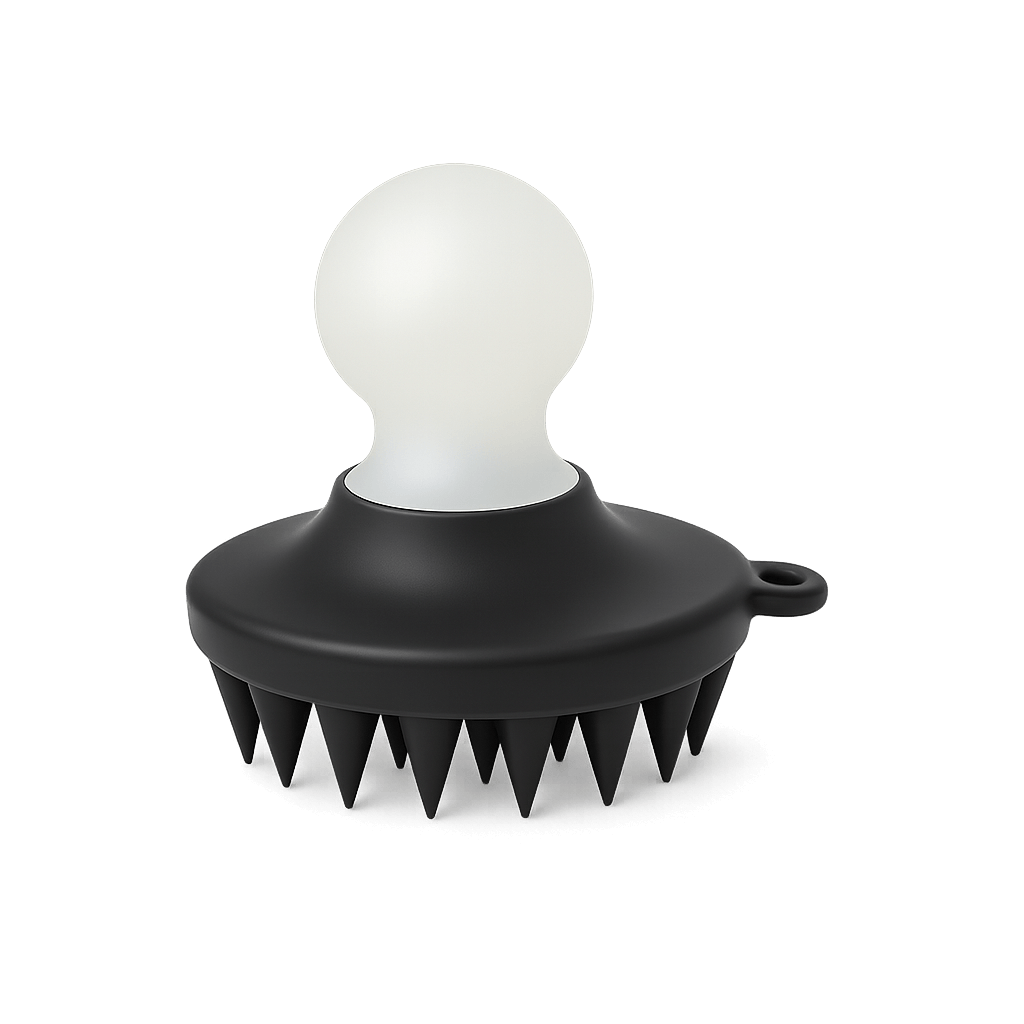
GLP-1 and hair loss: 7 steps for diffuse hair loss
Suddenly, noticeably more hair is ending up in the brush—during a phase when many aspects of your health are improving. Anyone losing weight with a GLP-1 medication may feel concerned by increased hair shedding. What matters now is neither panic nor a quick product switch, but a clear sequence: have possible triggers professionally assessed, review your diet, and care for your hair and scalp as gently as possible.
Medical notice: This guide does not replace a medical diagnosis. GLP-1 medications must not be stopped, paused, or dosed differently without medical advice. Always discuss changes with the prescribing clinician.
GLP-1 and hair loss: What does the research say in 2026?
A BMJ cohort study of adults with type 2 diabetes published on July 22, 2026 found non-scarring hair loss more frequently among people taking GLP-1 receptor agonists than in two comparison groups taking other diabetes medications. At the same time, the researchers emphasize that the absolute risk is low and that observational data do not provide simple proof that the medication alone is the cause.
A systematic review published on April 17, 2026 also describes a growing but not yet conclusive signal. Possible connections discussed include rapid weight loss, lower energy and nutrient intake, physical stress, and potentially direct effects on the hair cycle.
It is often increased shedding rather than permanent hair loss
Dermatologists often refer to diffuse, temporarily increased hair loss as telogen effluvium. In this condition, more hairs than usual enter the resting and shedding phase with a delay. The American Academy of Dermatology considers sudden weight loss and potentially inadequate intake of protein, vitamins, or other nutrients to be plausible contributing factors. At the same time, a diffuse episode can make an existing genetic predisposition to pattern hair loss more noticeable. That is precisely why a correct diagnosis is more important than self-treatment.
7 safe next steps for hair loss during GLP-1 treatment
1. Do not change the medication on your own
Hair loss can be emotionally distressing, but it is not a reason to stop a prescribed treatment without medical advice. Note when you started taking the medication, when the dose was changed, how quickly your weight has changed, and when the increased shedding began. This timeline will help your healthcare provider assess the situation.
2. Observe the pattern, not individual hairs
Individual hairs on your pillow or in the drain do not allow for a reliable diagnosis. It is more useful to take photos every two to four weeks in the same lighting, with the same hairstyle and from the same distance. Pay attention to whether your hair appears evenly thinner overall or whether clearly defined areas, receding temples, or a thinning crown become noticeable. Our 30-day self-check for comparable hair photos presents an objective documentation routine that can also be used regardless of gender.
3. Have the causes medically assessed
A dermatological examination can distinguish between telogen effluvium, pattern hair loss, inflammatory scalp conditions, and other forms of hair loss. Depending on your medical history and symptoms, your clinician may check laboratory values such as a complete blood count, iron status, thyroid function, or selected nutrients. Which tests are appropriate depends on the individual situation—generic self-tests and high-dose supplements are not substitutes for a professional assessment.
4. Assess your energy and nutrient intake realistically
Reduced appetite can cause meals to become very small or unbalanced. Instead of following an arbitrary “anti-hair-loss diet,” aim for regular meals that include an appropriate protein source, vegetables or fruit, complex carbohydrates, and healthy fats. If you are losing a lot of weight, experiencing nausea, or struggling to eat enough, a plan supported by a physician or registered dietitian can be helpful.
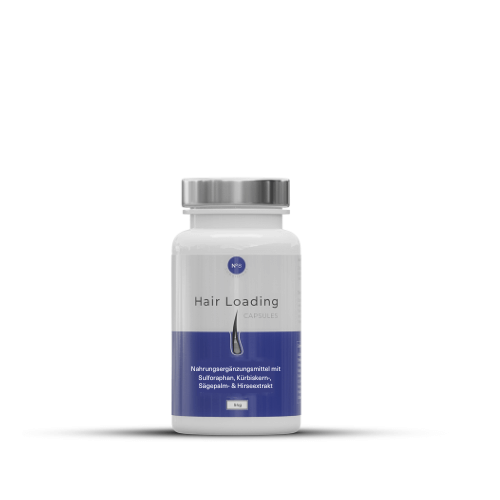
If you are considering dietary supplements, have potential duplication, laboratory values, and your personal medication reviewed by a qualified professional beforehand. KÖ-HAIR Hair Loading Capsules are a dietary supplement and are neither a treatment nor a substitute for a balanced diet or medical assessment.
5. Care for your scalp gently and consistently
Frequently switching between harsh exfoliants, strongly degreasing shampoos, and oily DIY mixtures can further irritate the scalp. Cleanse it as often as necessary with lukewarm water, light pressure, and thorough rinsing. KÖ-HAIR Growth Circulation Shampoo can be incorporated into a consistent routine as a cosmetic cleansing step. It does not treat telogen effluvium or medication-related hair loss.
6. Use leave-on care selectively and sparingly
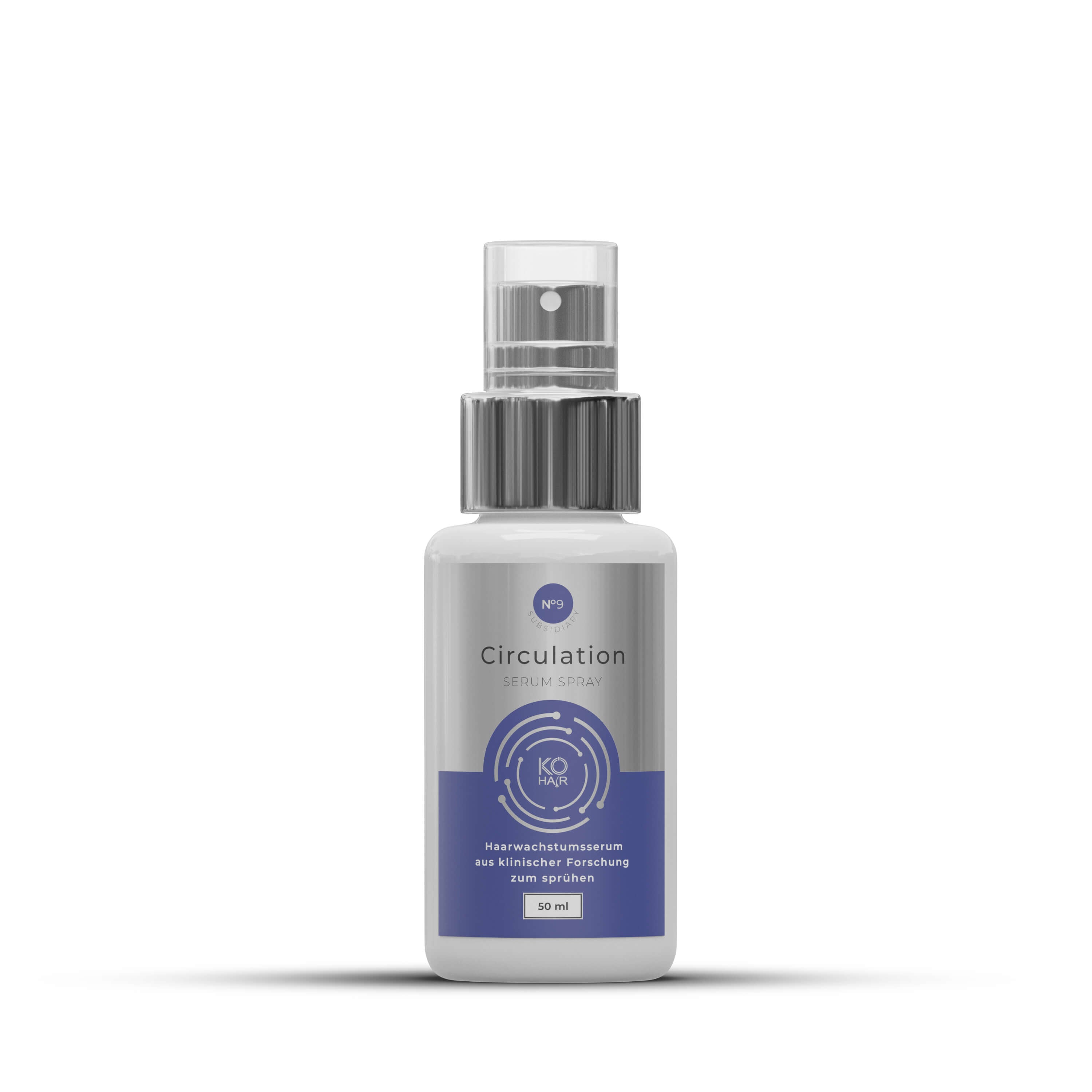
If your scalp is free from irritation, a lightweight leave-on product can complement your cosmetic care routine. KÖ-HAIR Circulation Serum Spray is applied along the parting and gently distributed. More product does not automatically mean greater benefits: tolerance, a clean scalp, and regular, realistic use are what matter. If you experience burning, severe redness, or increasing itching, stop using it and seek professional advice.
7. Reduce breakage and mechanical stress
Diffuse shedding and hair breakage are not the same thing, but they can occur at the same time. Detangle wet hair gently, avoid consistently tight hairstyles, reduce very high blow-dryer temperatures, and postpone intensive bleaching if your hair currently feels fragile. These measures will not stop medical hair loss, but they can help limit additional mechanical damage.
Diet and lifestyle: What really matters day to day
- Distribute protein regularly: for example through legumes, eggs, fish, dairy products, or suitable plant-based alternatives, according to your individual diet.
- Do not take megadoses “just in case”: Too much of certain micronutrients can also be problematic. Test first, then supplement selectively.
- Stay adequately hydrated: Especially if nausea or a significantly reduced appetite makes it difficult to consume enough fluids.
- Take sleep and stress seriously: Ongoing strain can intensify your subjective experience of hair loss and make everyday life more difficult.
- Be patient with the hair cycle: Changes often become visible with a delay. Day-to-day comparisons are therefore more likely to cause stress than provide reliable insights.
Common mistakes involving GLP-1 medications and hair loss
- stopping the medication or changing the dose without consulting a healthcare professional,
- starting several high-dose supplements at the same time,
- counting hairs every day or comparing photos taken in different lighting,
- confusing cosmetic products with medical treatment,
- treating an inflamed or painful scalp exclusively on your own,
- dismissing a possible pattern or patchy hair-loss pattern as “only temporary.”
When is prompt medical assessment important?
Arrange a dermatological or primary-care appointment if hair loss is increasing significantly, persists, or is causing substantial emotional distress. You should also seek timely assessment for bald or sharply defined patches, pain, oozing, crusting, pronounced redness, scarring, loss of eyebrows or eyelashes, or additional symptoms such as severe fatigue, dizziness, or persistent digestive problems.
The AAD explains the difference between hair shedding and progressive hair loss and notes that noticeably increased shedding often becomes apparent several months after a physical stressor.
Conclusion: Assess first, then take targeted action
Hair loss during GLP-1 treatment deserves attention, but not hasty conclusions. The most sensible sequence is: do not change the treatment on your own, document the course, have the cause medically assessed, ensure adequate nutrition realistically, and care for your hair and scalp gently. Cosmetic products can support a well-maintained routine—they cannot replace diagnosis or treatment.
You do not have to perfect every step at once. Start with a clear timeline and an appointment for professional assessment. That will provide more reassurance than another quick product switch.