Scalp smells like sweat? 7 steps for fresh hair
After exercising, on a hot day, or after a night with a warm neck, does your scalp suddenly smell unpleasant—even though your hair does not seem “dirty” at all? This is not uncommon. Scalp odor usually develops when sweat combines with sebum, flakes of skin, styling residue, and microorganisms that naturally live on the skin. The solution is rarely more perfume or an aggressive scrub. A gentle routine that removes buildup, allows the scalp to dry completely, and takes possible warning signs seriously is more helpful.
Why can the scalp smell after sweating?
Fresh sweat is not automatically the actual source of the odor. The characteristic smell develops when microorganisms on the skin break down sweat and skin oils. On the scalp, hair, warmth, and a comparatively large number of sebaceous glands also play a role. Hats, caps, helmets, and tightly secured hairstyles can keep moisture at the roots for longer. Dry shampoo, hairspray, and leave-in products also create a film where sweat and sebum can accumulate.
The odor is often harmless and disappears after appropriate washing. However, it can also occur alongside dandruff, itching, or inflammation—for example, with seborrheic dermatitis, a fungal infection, psoriasis, or very heavy sweating. Cosmetic care can cleanse the scalp and improve how it feels, but persistent symptoms still require a diagnosis.
How to get rid of scalp odor: the 7-step routine
1. Dry a damp scalp promptly
After exercising, gardening, or commuting in hot weather, remove your cap, helmet, or tight head covering as soon as possible. Loosen your braid or bun so air can reach the roots. Pat visible moisture dry with a clean towel without rubbing vigorously. Light sweating does not always require immediate shampooing—but prolonged moisture should not remain trapped for hours.
2. Determine when to wash based on your scalp, not the calendar
There is no ideal schedule for everyone. An oily, heavily sweaty scalp may need to be washed more often than dry, curly, or textured hair. Wash your hair when the roots smell greasy, look visibly oily, or buildup feels unpleasant. The American Academy of Dermatology recommends basing washing frequency on how quickly your scalp and hair become dirty or oily.
3. Apply shampoo directly to the scalp
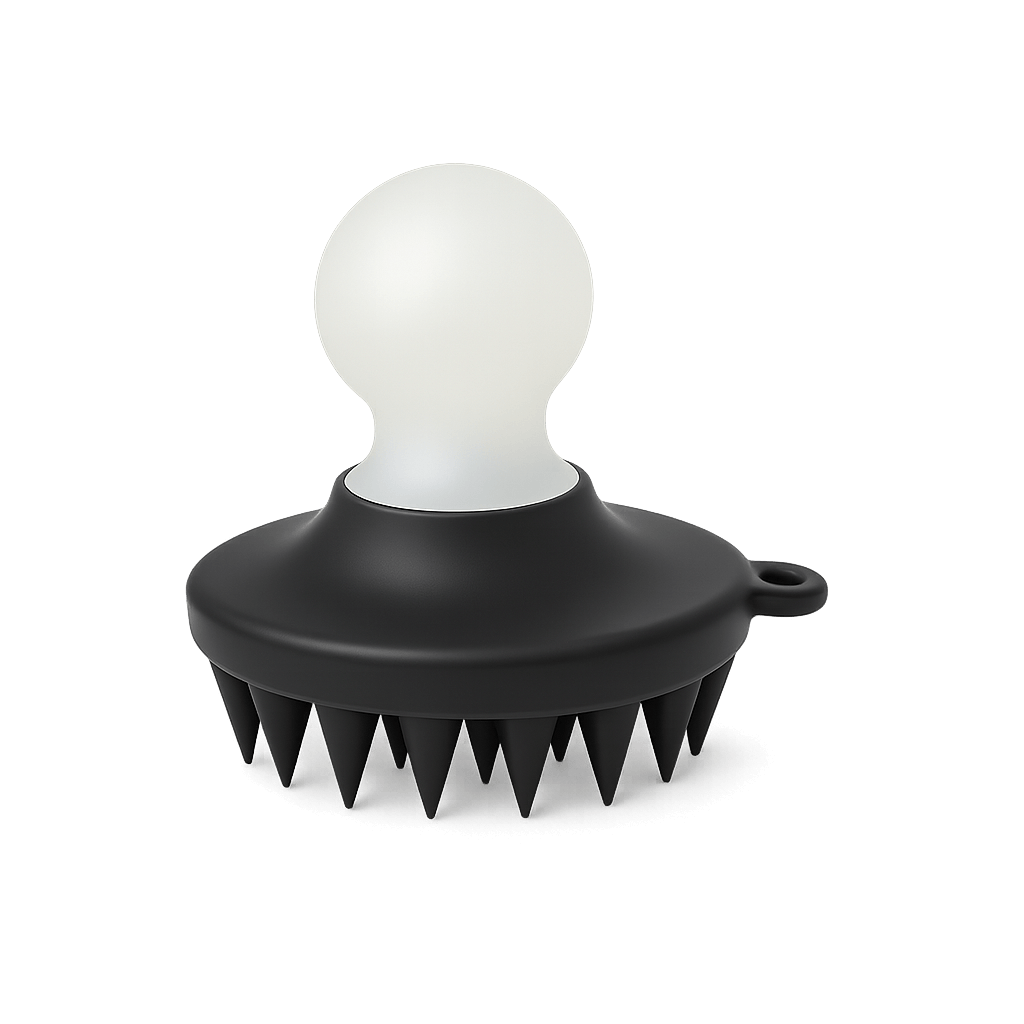
Apply shampoo mainly to the roots and massage it in gently with your fingertips. Fingernails and hard scalp brushes can cause minor injuries if the skin is irritated. The lengths do not need to be lathered vigorously; for many hair types, the lather that runs down is sufficient. The available KÖ-HAIR Sensitive Calm Shampoo can be incorporated into a sensitive routine as a gentle cosmetic cleanser. It does not treat an infection or inflammatory scalp condition.
4. Use a second gentle wash when there is a lot of product buildup
After using dry shampoo, styling powder, strong hairspray, or going several days without washing, a single quick wash may not fully remove residue. In this case, lather twice with a small amount of mild shampoo rather than scrubbing very aggressively once. Then rinse thoroughly until the roots feel clean and free of foam.
5. Keep conditioner and rich treatments away from the roots
Conditioners, hair masks, and oils should generally be applied to the mid-lengths and ends if your scalp becomes greasy or develops odors quickly. Heavy textures can leave a film directly at the roots. The same applies to styling creams and oil sprays: use as little as necessary and avoid contact with the scalp unless the product is specifically intended for it.
6. Dry your roots, towels, and tools completely
After washing, gently squeeze out your hair and dry the roots especially well. If you use a hair dryer, choose a moderate airflow and keep your distance; intense heat can put stress on the hair and scalp. Do not leave damp towels folded up, and do not put on a cap that is still wet. Brushes also collect sebum and product residue. The guide “How to Clean a Hairbrush Properly” explains how to care for different materials.
7. Clean everything that regularly touches the roots
Wash pillowcases, sports headbands, hats, and towels regularly according to their care labels. A sweaty cap should dry completely and be cleaned if necessary before it goes back on your head. For more information on the right fit and hygiene, see the article “Does Wearing a Cap Cause Hair Loss?”. Hairbrushes, combs, and helmet liners are personal hygiene items and should not be shared without checking them first.
The 5-minute routine after exercising
- Immediately afterward: Remove your headwear, loosen your hair, and let the roots air out.
- After light sweating: Let the scalp dry; rinse with lukewarm water if needed.
- After heavy sweating or when there is odor: Gently shampoo the scalp and rinse thoroughly.
- After washing: Apply conditioner only to the lengths and ends.
- Finally: Let the roots, towel, and headwear you used dry completely.
Dry shampoo: practical help, but not a hair wash
Dry shampoo absorbs oil on the surface and can make the roots look fresher temporarily. However, it does not remove sweat, skin cells, or styling residue with water. If it is applied layer after layer, the roots can become dull and feel unpleasantly coated. Use it sparingly, brush out excess powder, and then plan a regular wash.
These mistakes can intensify scalp odor
- Covering odor with perfume: Fragrances applied at the roots do not address the cause and can irritate sensitive skin.
- Tying wet hair tightly: Moisture remains on the scalp and at the roots for longer.
- Applying conditioner to the scalp: Rich residue can create an additional film.
- Applying dry shampoo for days on end: Powder absorbs oil but does not clean the scalp.
- Scratching with your nails: This can worsen irritation and cause minor injuries.
- Reusing damp caps or helmet padding: Textiles and padding need to be cleaned and dried completely.
- Assuming every odor is due to poor hygiene: Skin conditions, hormonal changes, and heavy sweating may also play a role.
What about oily scalp?
Oily scalp and odor often occur together, but they are not the same thing. Sebum is a natural part of the skin barrier. When it mixes with sweat and residue and remains at the roots for longer, an unpleasant environment can develop. Gentle, appropriate cleansing is usually more sensible than promising to “train away” sebum production. If your roots become greasy particularly quickly, you can find more practical tips in the 6-step routine for oily scalp.
When should scalp odor be evaluated by a doctor?
Have your scalp evaluated by a dermatologist if the odor keeps returning despite thorough, gentle washing, or if it occurs together with severe itching, pronounced flaking, redness, pain, oozing areas, pustules, crusting, or localized hair loss. A sudden change in body odor or unusually heavy sweating can also have medical causes. Antifungal or antibacterial products should not be used continuously without a confirmed reason.
Frequently asked questions
Do I have to wash my hair after every workout?
Not necessarily. What matters is the amount of sweat, sebum production, styling residue, hair type, and how the scalp feels individually. When sweating heavily or experiencing odor, gentle washing is advisable; with little sweat, thorough drying may be enough.
Can daily washing be harmful?
The right frequency is individual. Oily, straight hair often tolerates or requires more frequent washing than dry or highly textured hair. More important than a fixed number are a mild shampoo, gentle technique, thorough rinsing, and appropriate care for the lengths.
Does vinegar help with scalp odor?
DIY mixtures can be too acidic, unevenly dosed, or irritating. For a healthy scalp, regular gentle cleansing is usually the more reliable first step. If the odor persists, the cause should be clarified rather than masked with home remedies.
Why does the scalp smell right after washing?
Possible causes include incompletely rinsed shampoo, product buildup, roots that remain damp, a towel that is not completely fresh, or a scalp condition. If the odor remains despite clean tools, thorough rinsing, and complete drying, professional advice is advisable.
Conclusion: Freshness comes from cleansing and drying, not over-care
Scalp odor after sweating is often a mixture of moisture, sebum, and residue. Open it up, let it air out, wash as needed, rinse thoroughly, and dry completely—this simple sequence is enough in many cases. If the odor persists or signs of inflammation appear, a dermatologist should investigate the cause.
Expert guidance: Cleveland Clinic: Smelly Scalp – Causes and Treatment; American Academy of Dermatology: Tips for healthy hair. As of August 27, 2026.