MINOXIDIL: EFFECTS, SIDE EFFECTS AND ALTERNATIVES
Minoxidil: A Double-Edged Sword in Hair Care?
Minoxidil has been a well-known name in the fight against hair loss for decades. Originally developed as a medication to treat high blood pressure, its hair growth-promoting effect was discovered rather by chance. Today, it is included in many topical solutions for treating androgenetic alopecia (hereditary hair loss). While many users report positive results, there is also a growing discussion about side effects and long-term tolerability. This article highlights the potential side effects of minoxidil, shares user experiences, and presents effective natural alternatives like Redensyl and the KÖ-HAIR Circulation Serum.
What is Minoxidil and How Does It Work?
Minoxidil is a vasodilator, which means it widens blood vessels. Applied topically to the scalp, it is supposed to improve blood flow to the hair follicles and thus optimize nutrient supply. This can extend the anagen (growth) phase of the hair cycle and stimulate follicles in the telogen (resting) phase to enter a new growth phase. Although the exact mechanism is not fully understood, it is believed that this improved microcirculation is a key factor in minoxidil’s effect.
Common Side Effects of Minoxidil
Although minoxidil can be an effective solution for many, it is not free of side effects. The most common adverse effects occur locally at the application site:
- Scalp irritation: Itching, redness, dryness, and flaking are the most frequently reported side effects. These can be caused by the alcohol (propylene glycol) in many minoxidil solutions, which can dry out the skin.
- Shedding effect: At the beginning of treatment, there may be a temporary increase in hair loss, known as "shedding." This happens because old, resting hairs fall out to make way for new, stronger hairs. Although this can be a sign that the product is working, it is unsettling for many users.
- Changes in hair texture: Some users report changes in the texture and color of their regrowing hair.
Less Common but More Serious Side Effects
Besides local reactions, there are also reports of systemic side effects that can occur if minoxidil enters the bloodstream:
- Unwanted hair growth: Hair growth in unwanted areas such as the face (especially in women), hands, or back can occur.
- Dizziness and lightheadedness: Due to its blood pressure-lowering properties, minoxidil can cause dizziness or a feeling of lightheadedness in some people.
- Palpitations and chest pain: In rare cases, tachycardia (rapid heartbeat) and chest pain have been reported. People with pre-existing heart conditions should definitely consult a doctor before using minoxidil.
- Weight gain and water retention: Swelling (edema) in the hands, feet, or face can also be a rare side effect.
User Experiences: The Reality of Users
Online forums and communities are full of user reports about minoxidil. While some users report significant hair thickening and a stop to hair loss, others complain about persistent side effects that force them to discontinue treatment. A frequently mentioned criticism is the lifelong duration of use: stopping minoxidil usually leads to hair loss returning within a few months, often more severe than before.
The Modern Alternative: Redensyl
Given the potential drawbacks of minoxidil, more and more people are looking for gentler yet effective alternatives. Here, Redensyl comes into focus, an innovative plant-based active ingredient complex from cosmetic research. Redensyl targets the stem cells of hair follicles (ORSc) directly to reactivate cell division and promote the anagen phase. It consists of four key molecules:
- Dihydroquercetin-Glucoside (DHQG): A polyphenol from larch wood that activates hair follicle stem cells.
- Epigallocatechin Gallate-Glucoside (EGCG2): An anti-inflammatory agent from green tea that soothes the scalp.
- Glycine: An amino acid essential for hair growth.
- Zinc: An important trace element that strengthens hair structure.
Clinical studies have shown that Redensyl can support hair growth without the known side effects of minoxidil. It does not interfere with hormone balance and has no known systemic effects.
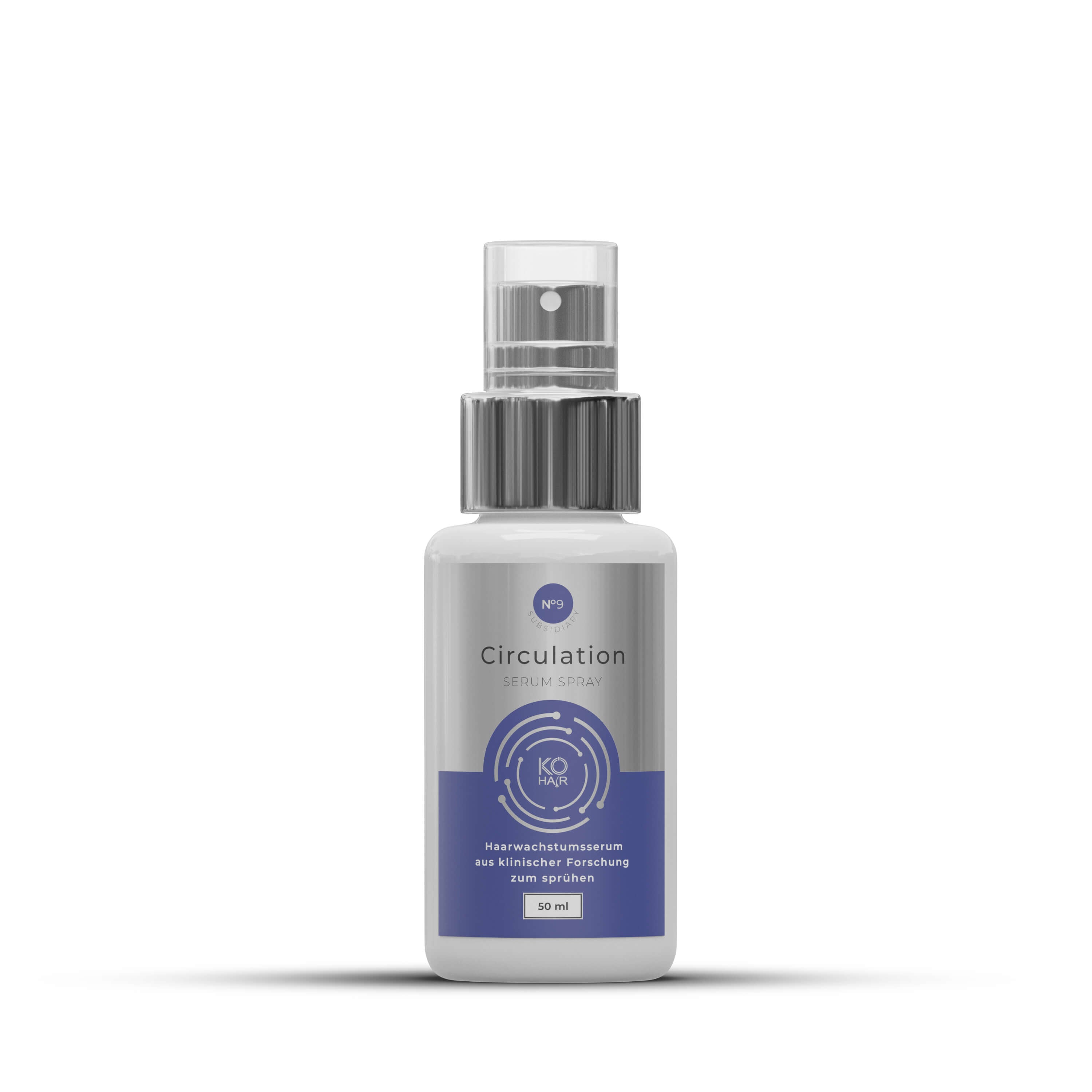
KÖ-HAIR Circulation Serum: The Power of Redensyl in an Expert Formula
The KÖ-HAIR Circulation Serum was developed to provide highly effective yet well-tolerated care for hair loss. It uses the power of 3% Redensyl to support natural hair growth and strengthen hair roots. The formula is complemented by other carefully selected ingredients that work synergistically:
- Caffeine: Known for its ability to promote scalp blood circulation.
- Biotin: Also known as vitamin B7, it helps maintain normal hair.
- Arnica and Horse Chestnut Extract: Traditionally valued for their circulation-promoting and anti-inflammatory properties.
Minoxidil vs. Redensyl: A Direct Comparison
| Feature | Minoxidil | Redensyl (in KÖ-HAIR Serum) |
|---|---|---|
| Mechanism of action | Vasodilation, nonspecific stimulation | Targeted activation of follicle stem cells |
| Common side effects | Scalp irritation, itching, shedding | None known, very well tolerated |
| Systemic risks | Palpitations, dizziness, unwanted hair growth | None known |
| Duration of use | Permanent, stopping leads to renewed hair loss | Recommended for ongoing care, stopping less critical |
| Base | Pharmaceutical active ingredient | Plant-based, cosmetic active ingredient complex |
Conclusion: An Informed Decision for Healthy Hair
Minoxidil can be an option for hair loss, but it is crucial to be aware of the potential side effects and the need for lifelong use. For those who prefer a scientifically supported but gentler approach, modern active ingredients like Redensyl offer a promising alternative. The KÖ-HAIR Circulation Serum combines the innovative power of Redensyl with proven care ingredients in a powerful formula designed to naturally support hair growth and care for the scalp – for healthy, strong hair without compromise.