Prevent Razor Bumps in Men: The 7-Step Routine for Calm Skin
Looking in the mirror after shaving should feel fresh—not like a burn test. Yet many men experience the opposite: their skin feels tight, red spots appear on the neck, and a day or two later, small, tender bumps emerge. This is neither a sign of poor hygiene nor something you should simply “scrub away.” In most cases, shaving technique, hair structure, and an irritated skin barrier all play a role.
The good news: Just a few precise changes can significantly reduce the strain on your skin. This guide explains how razor burn and razor bumps differ, which seven everyday steps make sense, and when seeing a dermatologist is better than trying more home remedies.
Razor Burn or Razor Bumps: What’s the Difference?
Razor burn often appears immediately or shortly after shaving: widespread redness, stinging, dryness, or a feeling of tightness. It is usually caused by too much pressure, repeated passes over the same area, a dull blade, or insufficient lubrication.
Razor bumps often develop later. Very closely trimmed facial hairs can curve back into the skin as they grow out. The medical term is pseudofolliculitis barbae. It is particularly common with coarse or tightly curled facial hair—but in principle, it can affect anyone who shaves.
Important: Razor bumps are not automatically bacterial folliculitis. If there is pus, increasing warmth, spreading redness, or severe pain, the skin should be evaluated by a medical professional.
The 7-Step Routine Against Razor Bumps and Razor Burn
1. Map the Direction of Hair Growth
Run your fingertips over your cheeks, chin, and neck. The hair feels smoother in the direction of growth and rougher against the grain. Facial hair rarely grows in exactly the same direction everywhere, especially on the neck. Remember the directions or take a photo once in good lighting. Then shave as much as possible in the direction of hair growth, not against it. The result may be slightly less smooth, but it is gentler on the skin and hair follicles.
2. Prepare Your Skin and Facial Hair with Warmth
Shave at the end of a warm shower or place a warm, clean cloth over the beard area for a few minutes. Moisture softens facial hair and reduces the pressure needed. Cleanse your face beforehand with a mild product without coarse exfoliating particles. Hot water is unnecessary—comfortably warm water is perfectly sufficient.
3. Don’t Skip the Lubricating Layer
Apply a moisturizing shaving gel or shaving cream evenly and let it sit briefly. Dry shaving and rushed “touch-ups” without any product increase friction. For sensitive skin, formulations with little or no fragrance and alcohol are usually the better starting point. Test any new product on a small area first.
4. Shave with Little Pressure and Few Strokes
Guide the blade in short, steady strokes and rinse it after each stroke. Do not pull the skin tight or repeatedly pass over the same area. If you are very prone to ingrown hairs, an electric trimmer or a less close shave may work better for you. The American Academy of Dermatology also recommends consistently paying attention to the direction of hair growth, softening the hair, and using light pressure.
5. Keep Your Blade and Device Hygienic
A dull blade pulls on the hair and requires more pressure. Replace disposable blades or cartridges regularly; dermatological guidance often suggests replacing them after about five to seven shaves. Clean electric devices according to the manufacturer’s instructions. Let razors dry completely and do not store them permanently in the damp shower. Do not share blades with other people.
6. Cool, Soothe, and Lock in Moisture
Rinse away residue gently and place a cool, damp cloth on the skin for a few minutes. Do not rub. Follow with a light product that does not sting. The available KÖ-HAIR Aloe Vera Spray with Panthenol can be applied in a thin layer as soothing moisturizing care; it is a cosmetic product and not a treatment for inflammatory conditions.
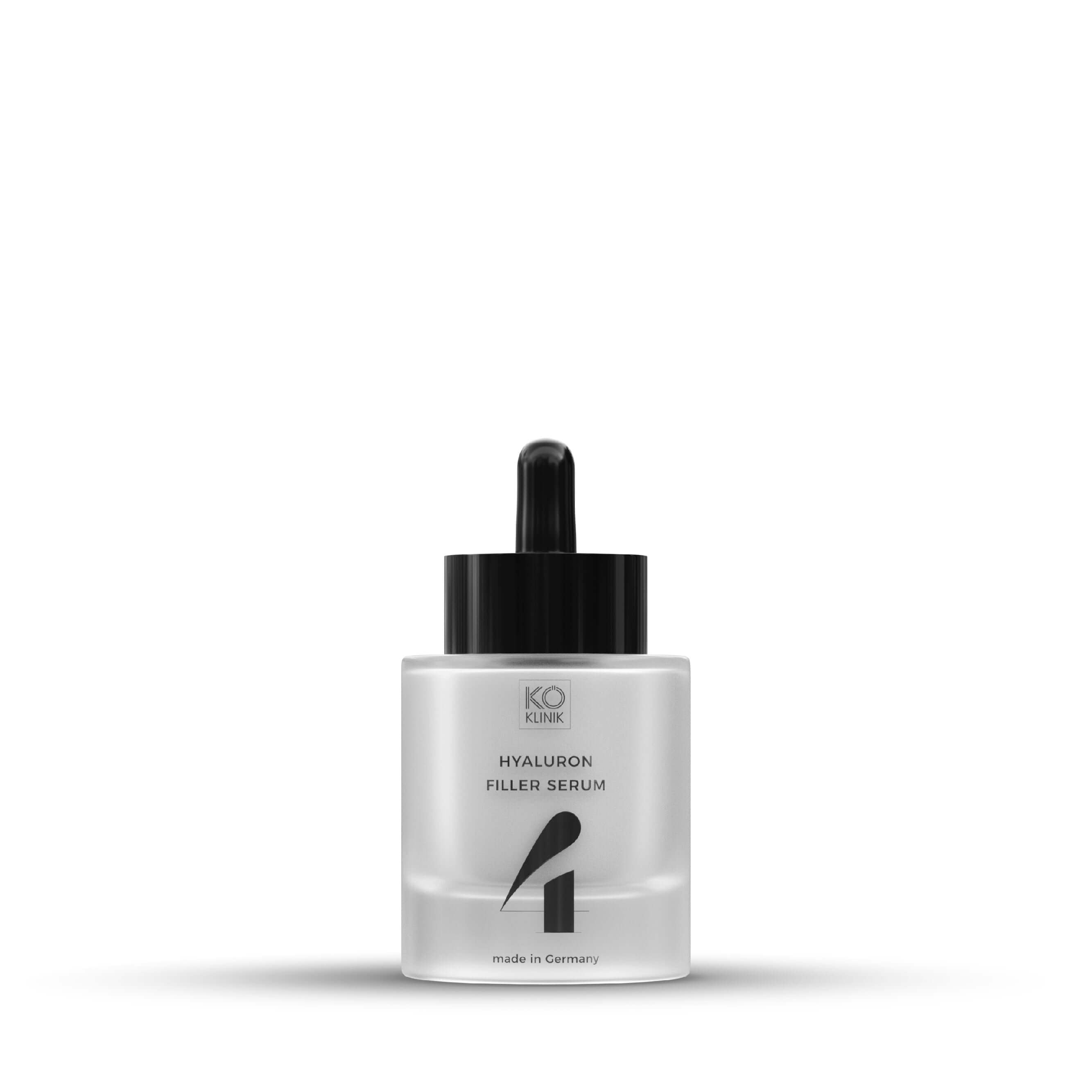
If your skin also feels tight, you can apply a small amount of the fragrance-free KÖ-KLINIK Hyaluron Filler Serum to slightly damp skin. It combines humectants with panthenol and niacinamide. Follow with a suitable cream if needed and a broad-spectrum sunscreen during the day. More gentle skincare routines can be found in the KÖ-MEN’s selection.
7. Observe Your Skin Instead of Squeezing
Do not squeeze, scratch, or “dig out” razor bumps with tweezers. This increases inflammation and can encourage dark spots or scarring. If your skin is noticeably irritated, pause close shaving until it has calmed down. A photo taken in similar lighting can help you assess the progression and potential triggers more objectively.
The Five Most Common Shaving Mistakes
- Shaving against the grain for maximum smoothness: for many people, this increases the risk of hairs continuing to grow beneath the skin.
- Continuing to use dull blades: more pulling, pressure, and micro-injuries.
- Applying alcohol-based aftershave to irritated skin: intense burning is not proof that a product is effective.
- Exfoliating immediately after shaving: acids, brushes, or coarse particles can further irritate freshly shaved skin.
- Squeezing bumps: increases the risk of inflammation, dark spots, and scarring.
Skincare, Nutrition, and Lifestyle: What Supports the Skin?
No diet can eliminate ingrown facial hairs—the mechanical shaving technique remains crucial. However, a balanced diet containing sufficient protein, vegetables, fruit, and essential fatty acids supports the skin’s normal regeneration processes. Drinking regularly is beneficial for general hydration, but it does not replace topical moisturizing care.
Small habits also matter: Rinse off sweat promptly after exercising, use a clean face towel, change pillowcases regularly, and do not apply skincare products with unwashed hands. Adequate sleep and stress management will not cure razor bumps, but they can help you stick to a simple routine consistently.
When Should You See a Dermatologist?
Please have your skin evaluated by a dermatologist or primary care physician if the changes keep returning despite adjusting your shaving routine, persist for several weeks, or lead to scars or lasting dark spots. Prompt medical advice is important if you notice increasing redness, significant warmth, pus, severe pain, or fever. These symptoms may indicate an infection or another skin condition.
Dermatological treatments—such as prescription active ingredients or professional hair reduction—belong in the hands of qualified professionals. Cosmetic products can soothe the skin and provide moisture, but they do not replace a medical diagnosis or treatment.
Conclusion: Calm Skin Starts Before the First Stroke
The most effective shaving routine is rarely the most complicated. Know the direction of hair growth, soften the hair, use sufficient lubrication, reduce pressure, keep the blade clean, and gently soothe the skin afterward: This sequence takes the daily stress out of shaving. Give the changes several shaves to work—and when in doubt, choose less closeness rather than more irritation.
If you would like to explore a related topic, the guide “Strawberry Skin: How It Develops and Appropriate Care” explains the differences involving clogged hair follicles on areas of the body such as the legs and arms.