The weeks following a hair transplant are a time of anticipation – but often also uncertainty. Many patients experience a phenomenon about two to four weeks after the procedure that initially seems alarming: the so-called Shock Loss. During this phase, both transplanted and existing hairs suddenly fall out. However, what at first glance appears to be a setback is, in most cases, a completely normal part of the healing process.
What exactly is Shock Loss?
The term Shock Loss describes the temporary hair loss that occurs as a reaction to the trauma of the surgery. During the hair transplant, the scalp is significantly stressed by the removal and implantation of grafts. This mechanical strain, combined with a temporary interruption of local blood flow, puts the hair follicles into a resting phase – the so-called telogen phase. The result is an increased loss of hair shafts.
Scientific findings show that this process usually begins between the second and fourth week after the operation and can last up to twelve weeks. It is important to understand: only the hair shafts fall out, while the transplanted hair roots remain securely anchored in the scalp and regenerate.
Causes of hair loss after transplantation
The reasons for Shock Loss are complex and closely related to the surgical intervention. The main factors include tissue trauma from cuts and punctures during implantation, a temporary interruption of capillary blood supply, and increased tissue pressure from injections of saline solution and anesthetics during the procedure.
| Factor | Effect on Hair Follicles |
|---|---|
| Tissue Trauma | The cuts and punctures during implantation cause mechanical stress to the scalp and surrounding follicles. |
| Circulatory Disorder | Temporary interruption of capillary blood supply during the procedure impairs nutrient delivery. |
| Injections | Saline solution and anesthetics increase tissue pressure and can stress adjacent follicles. |
| Inflammatory Reaction | The natural immune response to the procedure can put surrounding hair follicles into the resting phase. |
Prevention and care: How to minimize the risk
Although Shock Loss cannot always be completely avoided, targeted post-op care can reduce its intensity and accelerate subsequent hair growth. In 2026, the so-called “skinification” of the scalp – treating the scalp with the same care as facial skin – is increasingly becoming a focus of hair care trends.
1. Proper cleansing during the healing phase
In the first weeks after the procedure, the scalp is extremely sensitive. Aggressive shampoos can disrupt the healing process and endanger the freshly implanted grafts. Instead, use mild, soothing formulations. The KÖ-HAIR Sensitive Calm Shampoo was specially developed for the needs of the scalp after a hair transplant – it gently cleanses without irritating the newly implanted grafts.
2. Soothing and moisturizing
Dryness and tightness are typical accompanying symptoms of healing. To soothe the scalp and provide sufficient moisture, regular use of the KÖ-HAIR Aloe Vera Spray is recommended. It cools pleasantly and supports the regeneration of stressed tissue.
3. Nutrient supply from within
Strong hair growth starts from the inside. To optimally nourish the hair follicles after the resting phase, a nutrient-rich foundation is essential.

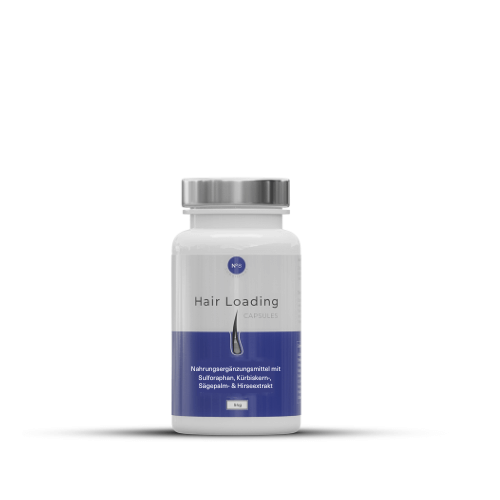
The KÖ-HAIR Hair Loading Capsules provide high doses of vitamins, trace elements, and plant-based active ingredients such as saw palmetto extract and pumpkin seed extract. This combination is specifically tailored to the needs of thinning hair and regeneration after a transplant.
4. Stimulation of blood circulation
Once the acute healing phase is over – about from the second month – blood circulation in the scalp can be actively promoted again. Experts increasingly rely on the innovative active ingredient Redensyl, which stimulates the stem cells of the hair follicles and accelerates the transition into the growth phase (anagen phase).

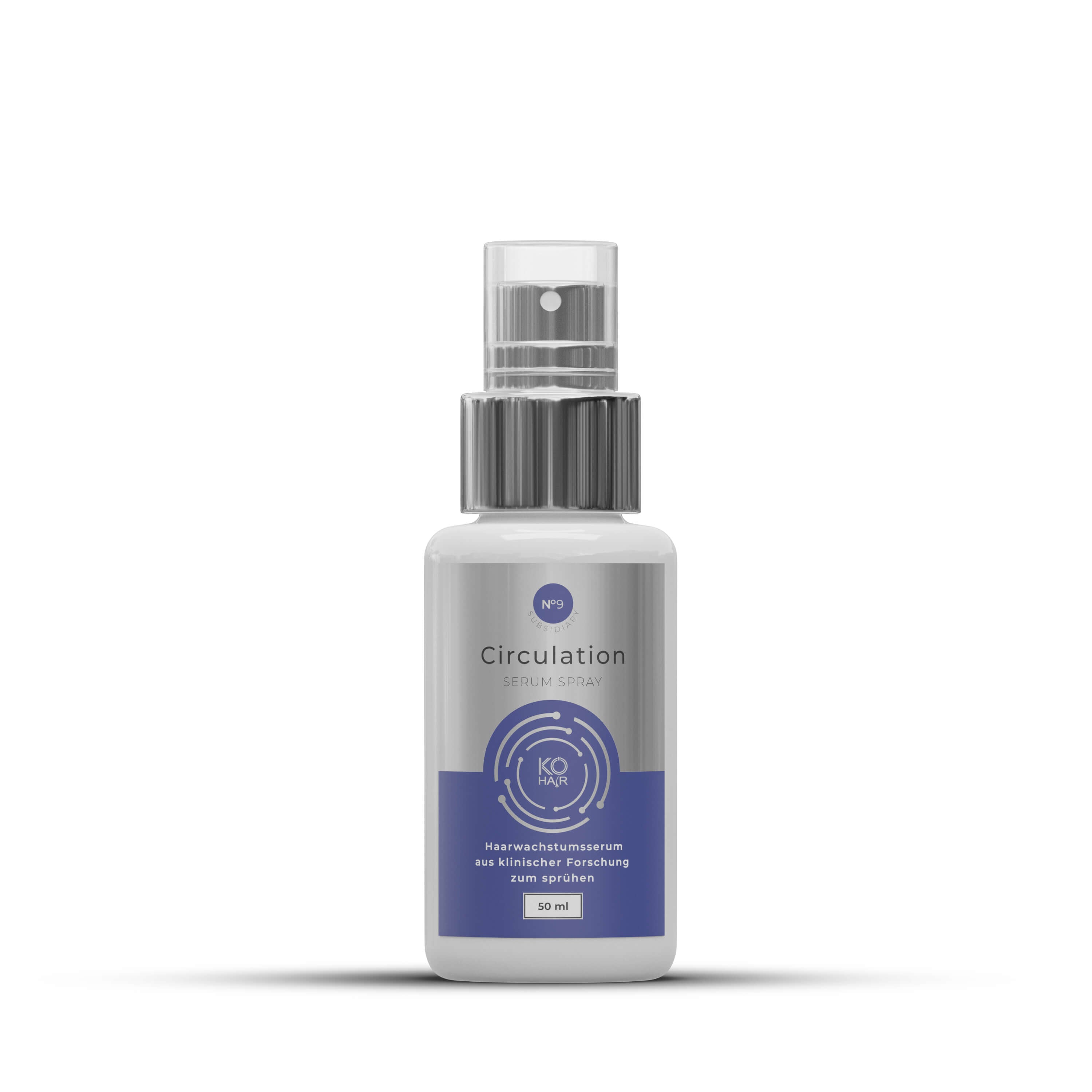
The KÖ-HAIR Circulation Serum Spray combines 3% Redensyl with caffeine and other growth-promoting ingredients. It is applied directly to the scalp and promotes microcirculation – a crucial factor for nourishing the hair follicles after the procedure.
When will the hair grow back?
Patience is the most important companion after a hair transplant. After the Shock Loss phase subsides, the transplanted roots begin to produce new hair shafts after about three to four months. Initially, these grow in fine and delicate but steadily gain thickness and structure over the following months. The final, voluminous result is usually visible after 12 to 15 months.
| Period after Surgery | What Happens |
|---|---|
| Week 2–4 | Start of Shock Loss – transplanted and native hairs may fall out |
| Week 4–12 | Resting phase of follicles – little visible change externally |
| Month 3–4 | First fine hairs begin to regrow |
| Month 6–9 | Significant improvement in hair density and structure |
| Month 12–15 | Final result with full hair density visible |
Conclusion: Shock Loss is no cause for concern
Shock Loss after a hair transplant is a natural healing process that affects most patients. With the right knowledge and a consistent care routine, you can get through this phase calmly and achieve the best possible result. A comprehensive overview of all care products for the post-procedure period can be found in our special care series for the time after hair transplantation.