Summer bun without hair breakage: 7 steps for healthy hair
When it gets warm, hair almost automatically moves upward—but a tight bun can pull at the scalp and hairline by evening. An occasional loose bun is normally no cause for concern. It becomes problematic when hair is pulled very tightly in the same direction every day, twisted up while still wet, or secured in the same spot with a thin elastic. This can encourage hair breakage, sensitive temples, and, with sustained tension, even traction alopecia.
The good news: you do not have to sacrifice hold for an airy summer bun. The key is drier hair, gentle detangling, a loose base, a suitable hair tie, and regularly changing your style.
Hair breakage or hair loss from pulling?
Hair breakage affects the visible hair shaft: individual lengths break, appear shorter or frayed, and often show split ends. Traction alopecia, on the other hand, is hair loss caused by repeated pulling at the roots. Early signs may include pain, a tight feeling, small broken hairs along the hairline, redness, or a slowly receding hairline.
A bun does not automatically cause hair loss. However, the American Academy of Dermatology identifies very tight buns, ponytails, and updos as possible triggers when they regularly create tension. Styling should therefore hold, but not hurt.
Summer bun without breakage: the 7-step routine
1. Do not tie your hair up while it is dripping wet
Wet hair is more vulnerable to mechanical damage. If it is twisted tightly and remains damp for hours, tension, friction, and creases act on the hair fiber simultaneously. After showering, swimming, or exercising, gently squeeze out excess water and pat the lengths dry instead of rubbing them with a towel. Let the roots, and preferably the lengths as well, dry partially before tying a tight bun.
When time is short, a loose clip is often gentler than a tightly wrapped wet-look bun. For more tips, see the guide “Sleeping with wet hair?”.
2. Loosen knots from the ends first
A bun on tangled hair distributes tension unevenly. Therefore, detangle in small sections: start at the ends, then work your way upward piece by piece. Hold the strand above the knot to reduce the pull on the scalp.
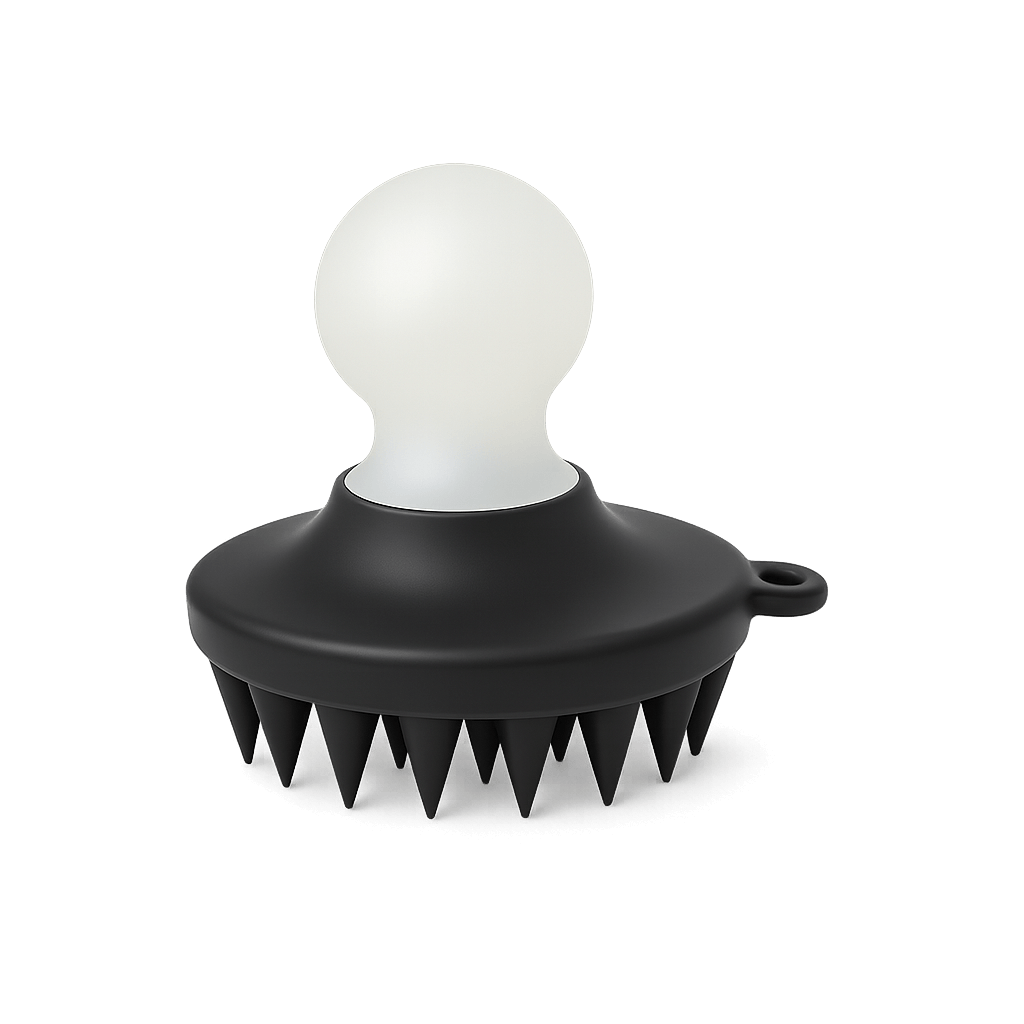
The currently available small version of the KÖ beauté Hair Brush Detangler brush is suitable as a compact styling tool. Use any brush slowly and without pulling. For straight hair, the AAD recommends letting it dry slightly before brushing; depending on the hair type, very curly or textured hair is better detangled while damp and with suitable care.
3. Create a gentle braid as the base
First tie a loose ponytail at the desired height. Check whether you can move your eyebrows, turn your head, and touch your scalp without experiencing painful tension. Pain, pressure in the head, or a “lifting” feeling at the temples means: loosen it immediately.
A very sleek look does not have to be maximally tight. Loose hairs can be smoothed with a soft brush and a small amount of suitable styling product without pulling the entire hairstyle tighter.
4. Prefer wide, fabric-covered bands
Thin, uncoated elastics and models with sharp metal connections concentrate pressure on a small area. A wider, fabric-covered hairband or a soft scrunchie usually distributes the strain better. The band should provide hold without cutting deeply into the hair.
Replace stretched-out, rough, or sticky bands. Hair ties also collect sebum, sweat, and product residue; clean washable models according to the manufacturer’s instructions and let them dry completely.
5. Wrap the bun loosely instead of twisting it tightly
Twist the ponytail only enough to create a soft shape. Wrap the lengths loosely around the base and secure them with a second fabric-covered band or a few smooth hairpins. If hairpins poke or press, change their position and angle.
For very fine hair, a loose loop may be sufficient. For thick or long hair, two gentle fastening points are often more comfortable than a single extremely tight band.
6. Change the height and part regularly
Wearing a bun in exactly the same place every day repeatedly stresses the same sections of hair. Alternate between a low bun, loose ponytail, soft braid, and wearing your hair down. Even slightly changing your part distributes pulling and friction differently.
Remove the hairstyle after work or exercise as soon as you no longer need it. A tight bun is unsuitable for nighttime; a loose braid or—depending on your hair type—a very loose high “pineapple” can create less tension.
7. Take warning signs seriously
A hairstyle should not hurt. Sensitive temples, burning, headaches, small pustules, redness, or increasingly short broken hairs along the hairline are reasons to loosen the style and give the hairline a break. If areas become visibly thinner or the scalp remains irritated, dermatological evaluation is advisable.
The 3-Minute Summer Bun
- Let it partially dry: Do not style the roots and lengths while soaking wet.
- Detangle: Work from the ends upward without pulling.
- Gather loosely: Create a soft ponytail without tension.
- Wrap gently: Loosely place the lengths around the base.
- Check your comfort: Move your head, feel your temples, and loosen the style immediately if you feel pulling.
Which bun height is gentlest?
There is no height that is automatically ideal for every hair type. A low bun often pulls upward less and may feel more comfortable under a hat. However, very long hair can also pull at the nape due to its weight. A high bun keeps the nape clear but quickly creates more tension at the forehead and temples. Weight, looseness, duration, and regular changes are what matter.
What should you do with your hair after exercising or swimming?
After heavy sweating, the hairstyle does not need to be tied even tighter. Open the bun, let the scalp breathe, and cleanse it gently if needed. After exposure to chlorine or salt water, rinse the hair as soon as possible and condition it. Then gently detangle wet hair and let it dry partially first.
If the roots smell unpleasant after heat styling, the article “Does your scalp smell like sweat?” complements the routine.
These styling mistakes increase strain
- Tightly twisting soaking-wet hair: Wet hair fibers are more susceptible to tension and kinking.
- Making the band as tight as possible: A secure hold should not come at the cost of pain.
- Always choosing the same position: Repeated strain affects the same areas every day.
- Using thin elastics with a metal edge: They can trap or cut individual hairs.
- Brushing over tangles: Pulling causes more strain than patiently detangling in sections.
- Sleeping with a tight bun: Tension and pillow friction act for many hours.
- Ignoring early warning signs: Pain, redness, and short hairs along the hairline are not a necessary price to pay for styling.
Bun under a cap or sun hat
Under a hat, the bun should sit so that neither the band nor the knot presses against the brim. Do not combine a very tight hairstyle with a snug-fitting cap. A low, loose bun or a soft braided hairstyle often works better. The guide “Can wearing a cap cause hair loss?” explains the difference between normal wear, friction, and sustained pulling.
Frequently asked questions
Can a bun really cause hair loss?
An occasional loose bun does not normally cause hair loss. However, very tight hairstyles worn repeatedly can contribute to traction alopecia. The decisive factors are the amount of tension, the duration, and individual sensitivity.
Is a scrunchie always gentle?
A soft, wide fabric band often distributes pressure better than a thin elastic. It can still be tied too tightly, however. Comfort and looseness remain key.
Why does hair break right at the hair tie?
Repeated friction, sharp creases, a rough band, and tying your hair in the same place every day can weaken the hair fiber. Change positions and replace damaged bands.
Can I tie up damp curls?
Curly and textured hair is often detangled while damp. Even so, it should not be dripping wet or tightly pulled for a bun. Use a loose style and a hair-care routine suited to your hair type.
Conclusion: The best summer bun stays in place without pulling
A bun is a practical summer hairstyle—as long as it remains loose. Let wet hair dry a little, detangle it without pulling, use a soft band, and vary the height and style. If the hairstyle hurts, it is too tight. This simple rule protects the hairline, scalp, and lengths better than any complicated styling hack.
Expert guidance: American Academy of Dermatology: Hairstyles that pull can lead to hair loss, updated on 06.11.2024; AAD: Tips for healthy hair, updated on 12.08.2024. As of: 29.08.2026.