Why winter changes your appetite – and your skin
Short days, cold, and dry heating air noticeably upset your body's balance. The body uses more energy, mood swings occur, hormone levels change – and suddenly the craving for sweets, hearty foods, and "comfort food" becomes much stronger.
What seems like a harmless winter habit has noticeable effects on the skin. Frequent spikes in sugar and fat promote internal inflammation, strain the metabolism, and can impair the skin's ability to regenerate. Together with cold and dry air, the skin barrier is heavily challenged – it loses moisture faster, reacts more sensitively, and appears overall stressed.
What makes the skin barrier so sensitive in winter
The skin barrier is the outermost protective layer of the skin. Horn cells and lipids form a kind of wall that holds moisture in the skin and protects it from external influences. In winter, this system quickly gets out of balance: outside, the air cools the skin, inside, the heating air draws out moisture.
If a diet high in sugar, white flour, alcohol, and heavily processed foods is added, this can show in dryness, tightness, redness, or blemishes. The barrier becomes more permeable, loses lipids and water – and needs targeted support from inside and outside.
How your diet affects the skin barrier
A consistently sugar-rich diet causes strong blood sugar fluctuations and can promote processes that weaken structural proteins like collagen. The result: a dull complexion, less elasticity, and quickly visible dry wrinkles.
Saturated fats from fast food and ready-made products are also linked to silent inflammations that can make the skin appear unsettled. Alcohol and too much caffeine have a dehydrating effect and can further reduce the skin's moisture content.
In short: an unbalanced winter diet intensifies exactly the problems the skin barrier already struggles with in the cold season.
Nutrients that strengthen your skin barrier in winter
Instead of fighting cravings with bans, it is more sensible to focus on skin-friendly nutrients and incorporate them into everyday life.
Healthy fats provide essential fatty acids for building the lipid barrier. Avocados, nuts, seeds, and high-quality vegetable oils are valuable sources here. Fatty sea fish like salmon or mackerel also supply omega-3 fatty acids, which can have anti-inflammatory effects.
Antioxidants protect against free radicals and support regeneration: berries (also frozen), green leafy vegetables, red cabbage, citrus fruits, or pomegranate can easily be integrated into warm winter dishes.
Proteins form the basis for the structure and renewal of the skin. Legumes, eggs, fish, lean meat, as well as plant-based alternatives like tofu or tempeh provide the building blocks for collagen, elastin, and the horny layer.
Fiber supports gut health and thus the gut-skin axis. Whole grain products, vegetables, legumes, and fermented foods like sauerkraut or yogurt with live cultures contribute to a more balanced skin appearance.
In winter, special focus should be on:
ü healthy fats
ü antioxidants
ü proteins
ü fibers
Practical strategies against winter cravings
Winter cravings are not a lack of willpower but a normal reaction to cold, stress, and lack of light. However, with some adjustments, they can be managed in a way that benefits your skin barrier.
Structured, balanced meals with complex carbohydrates, proteins, and fats stabilize blood sugar and reduce spontaneous snack attacks. Warming, nourishing dishes like oatmeal with nuts and berries, vegetable soups, or stews with legumes satisfy the need for comfort without unnecessarily burdening the skin.
Equally important is sufficient fluid intake. Water, unsweetened herbal and fruit teas help the skin retain moisture and complement your care routine sensibly. Instead of forbidding all sweets, mindful enjoyment – such as a piece of high-quality cake or some dark chocolate – is much more sustainable in the long run.
Care from outside: When the skin barrier is already stressed
Even with optimal nutrition, winter remains a challenge for the skin. A well-coordinated care routine can significantly enhance the positive effects from within.
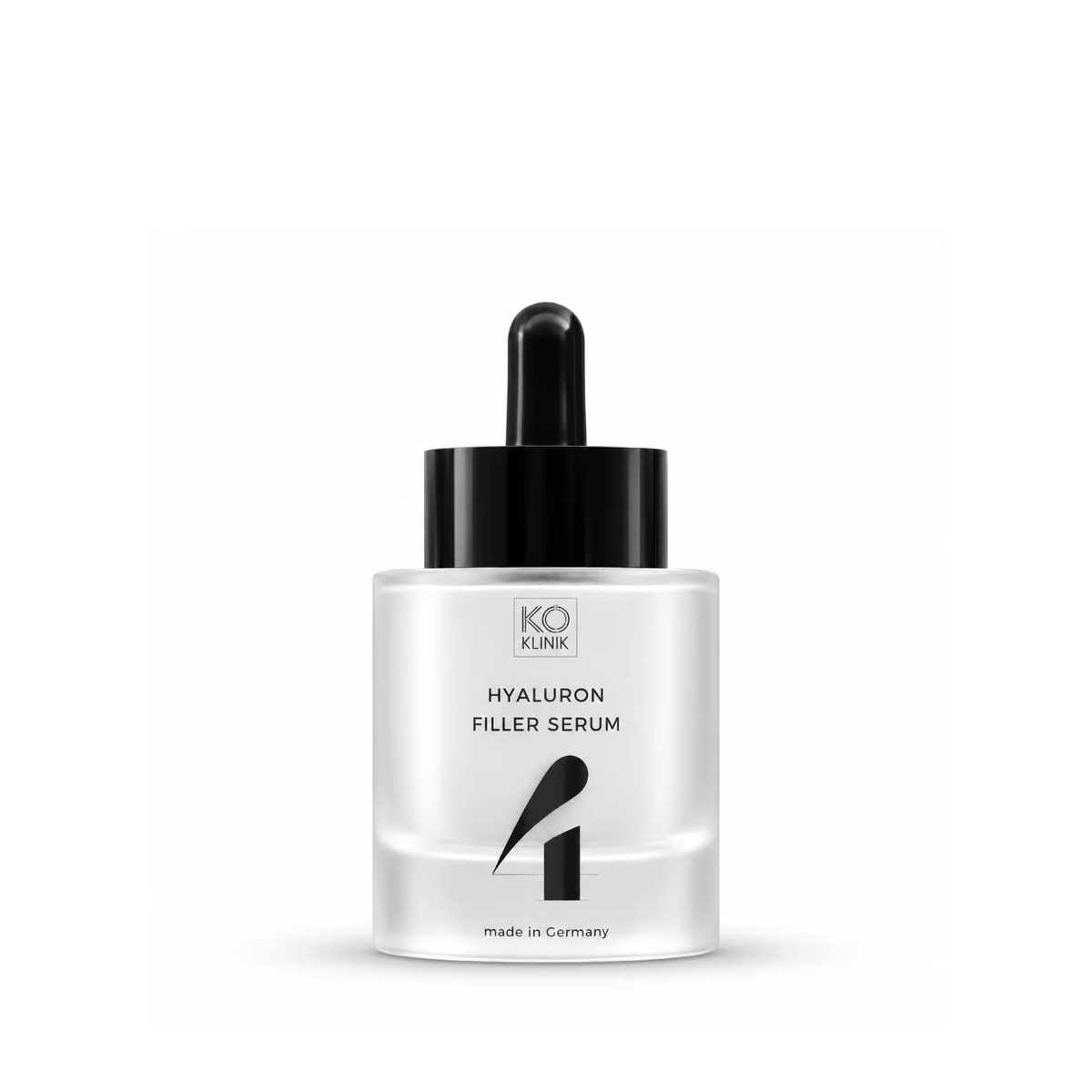
Gentle, re-fatting cleansers protect the barrier by cleansing without drying out the skin. Hydrating toners and serums with hyaluronic acid, glycerin, panthenol, or niacinamide refill moisture stores and soothe irritated skin.
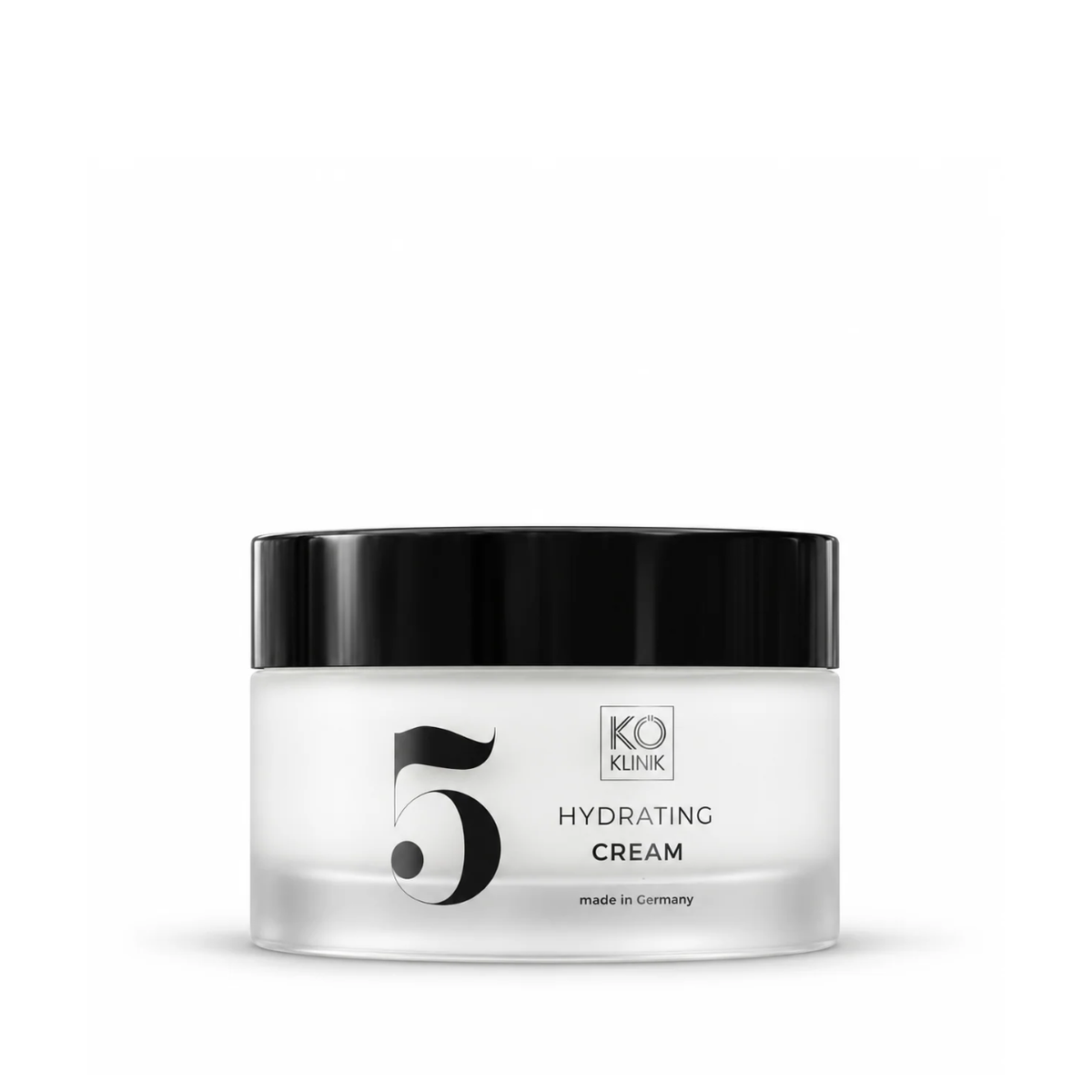
Barrier-strengthening creams with ceramides, plant oils, squalane, or shea butter help reduce transepidermal water loss and stabilize the lipid matrix. Additionally, antioxidant serums – for example with vitamin C or E – offer extra protection against external stresses and support nightly regeneration.
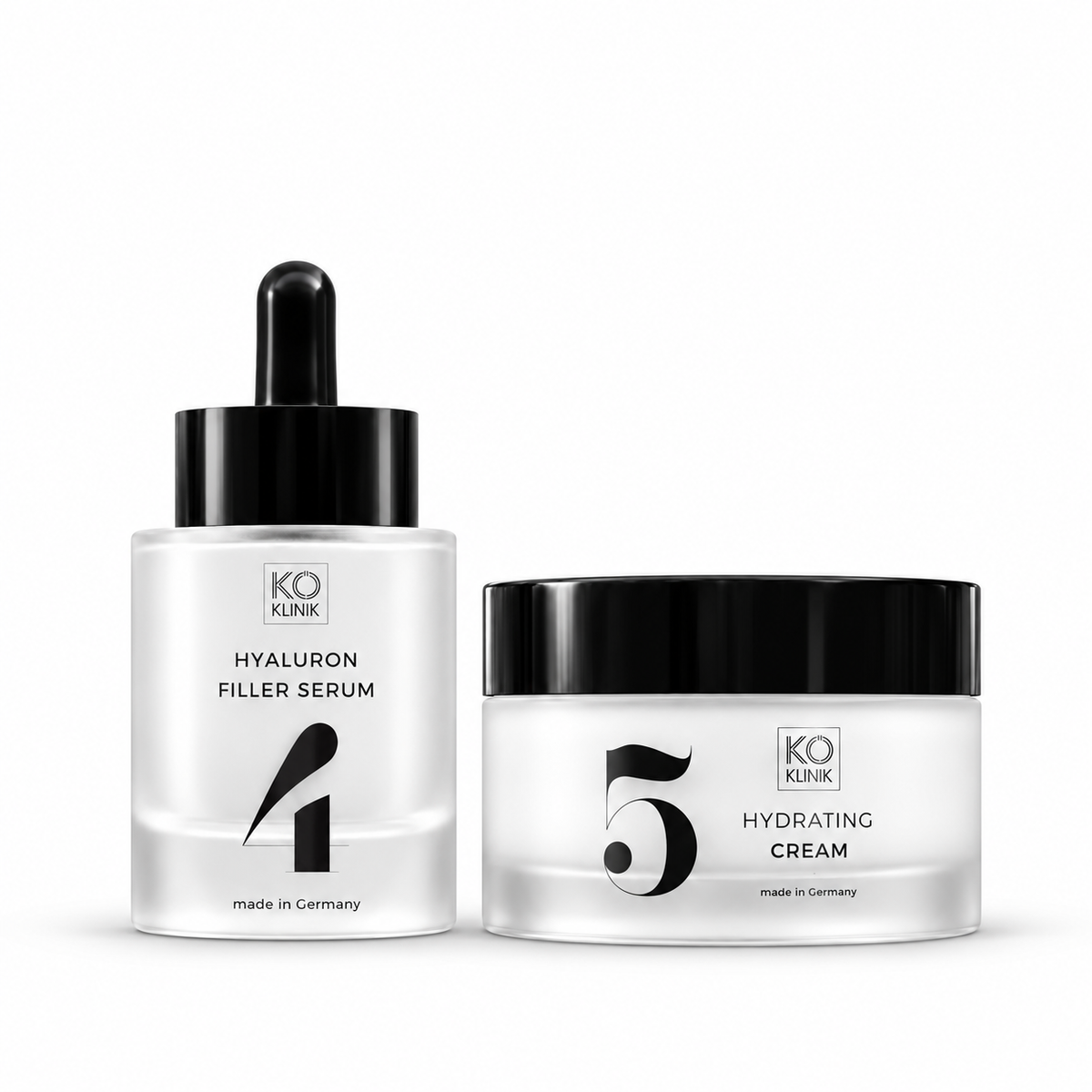
In the KÖSMETIK online shop you will find suitable products that can be optimally combined with a conscious, skin-friendly winter diet.
Conclusion: Through winter with a holistic approach
Winter cravings cannot be completely avoided – but they can be sensibly managed. If you focus your diet on healthy fats, antioxidants, proteins, and fibers, establish smart winter snacks, and rely on a barrier-friendly care routine, you create a strong foundation for a resilient, well-cared-for skin barrier. This way, you go well protected and with visibly calmer skin through the cold season.